THE BLOG
Insights on sports physical therapy, injury rehab, and performance training from the Athletic Potential PT team.
Workload, Fatigue, and Pain: What to Track Before Adding More
Training numbers are useful, but they do not tell the whole story. Combine workload, recovery, symptoms, and performance when adjusting a rehab or throwing plan.
 By Dylan Newcomer
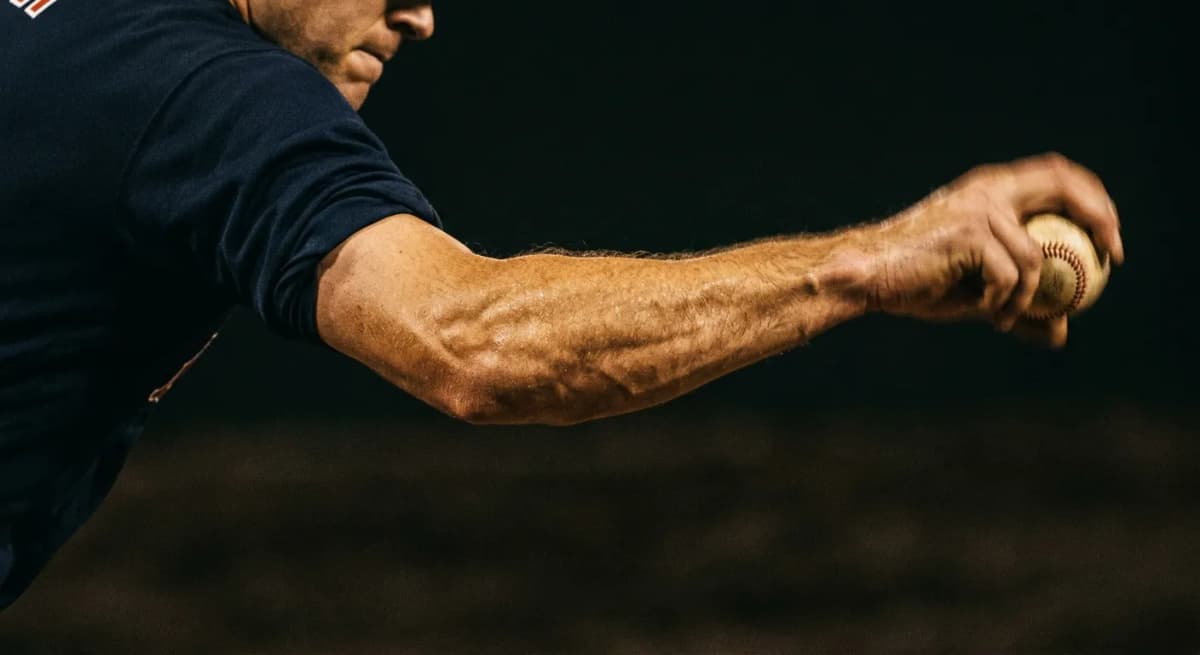
What Does a UCL Injury Feel Like?
UCL pain is usually felt on the inside of the throwing elbow, but location alone cannot tell you whether the ligament is irritated, partially torn, or the wrong suspect entirely.
By Dylan Newcomer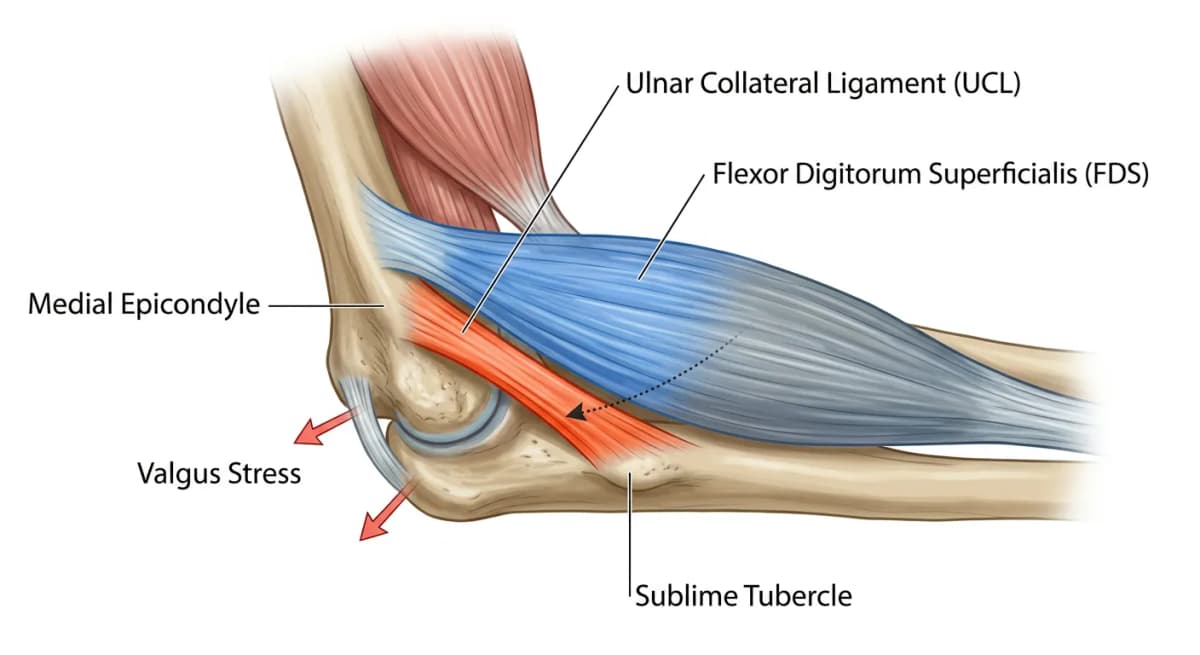
Can a Partial UCL Tear Heal Without Surgery?
Some partial UCL tears can return to high-level throwing without surgery. Tear location, tissue quality, symptoms, timing, and the demands of the athlete all change the answer.
 By Jason Modafari
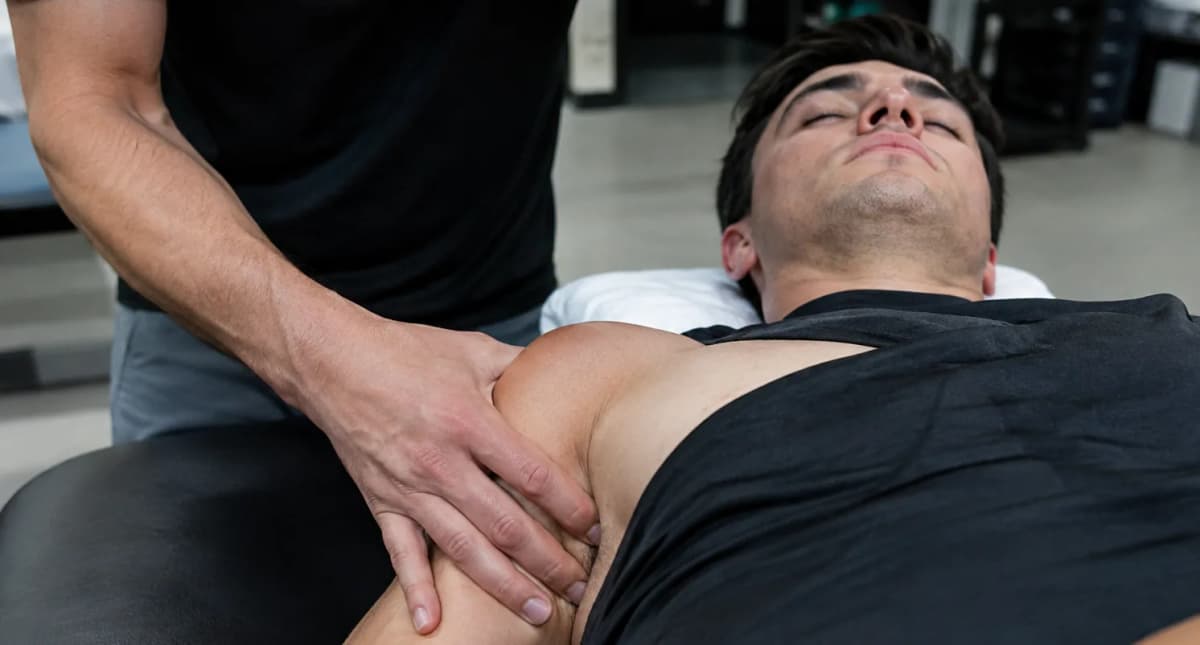
Dry Needling for Throwing Shoulder Pain: Creating a Better Window to Train
Dry needling can reduce pain and guarding in a throwing shoulder, improve motion, and make strength work more productive. We use that response inside a full return-to-throwing plan.
By Jason Modafari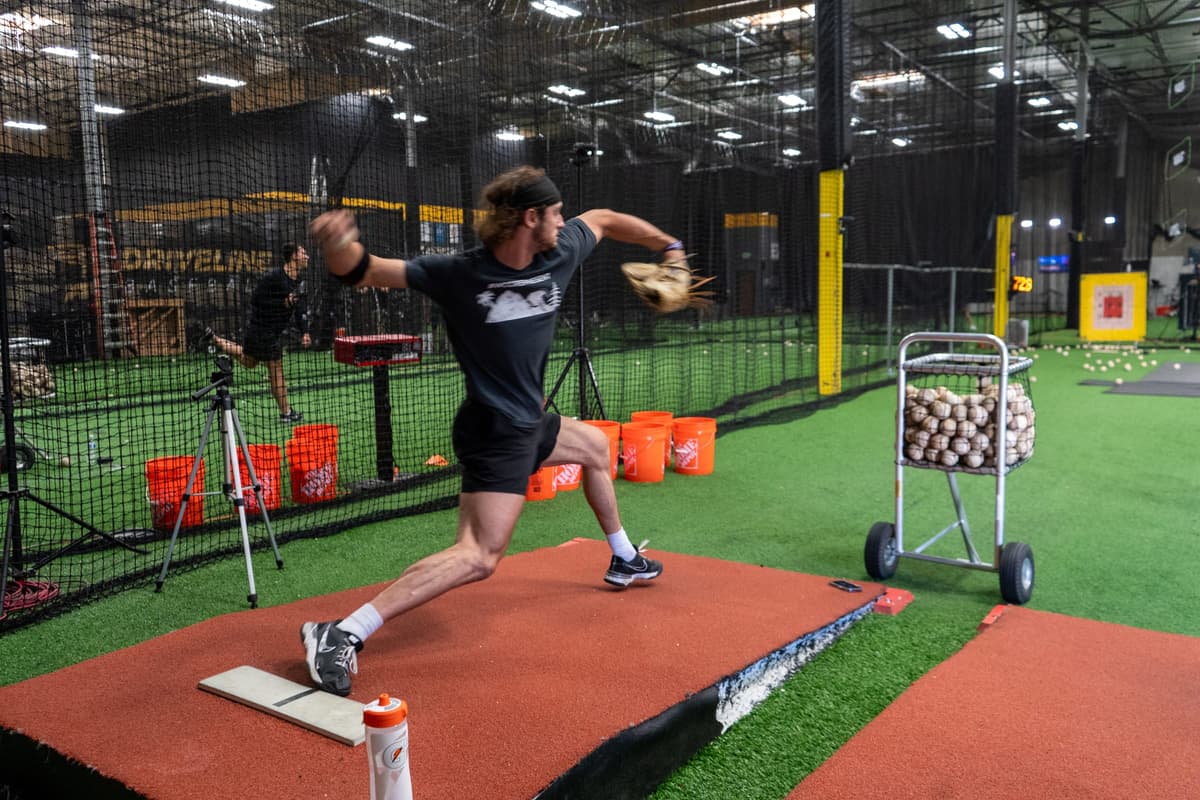
UCL Rehab Without Surgery: What Does It Actually Look Like?
Nonoperative UCL rehab is a criteria-based progression from calming the elbow to heavy strength work, plyometrics, throwing, mound exposure, and proof that the arm can recover.
By Dylan Newcomer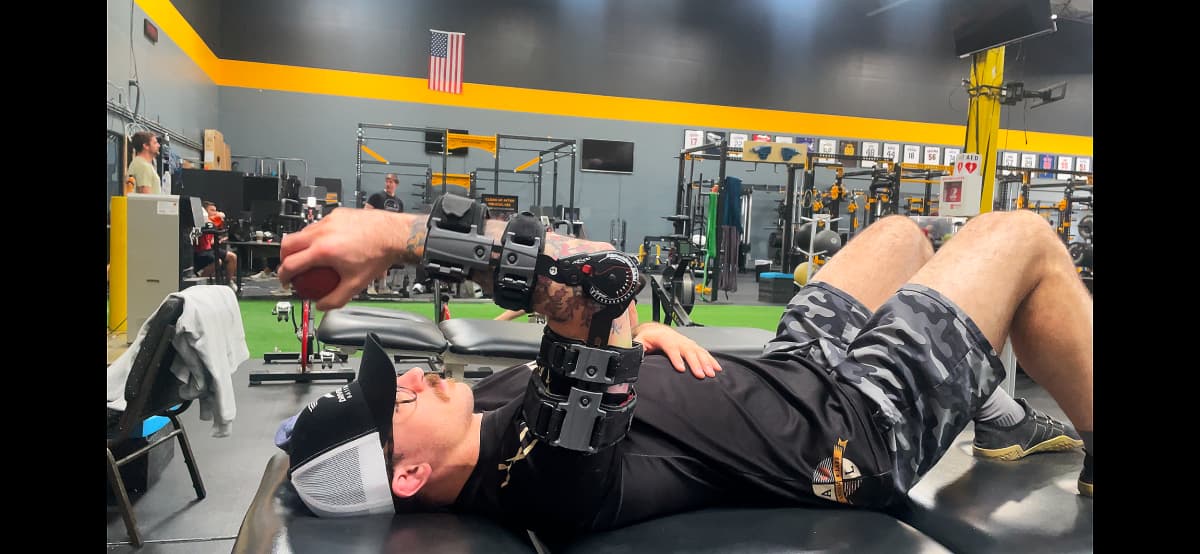
Tommy John Rehab Timeline: What Happens Month by Month?
A month-by-month Tommy John timeline is useful for orientation, but tissue healing, strength, throwing response, position, and surgeon guidance decide when an athlete progresses.
By Jason Modafari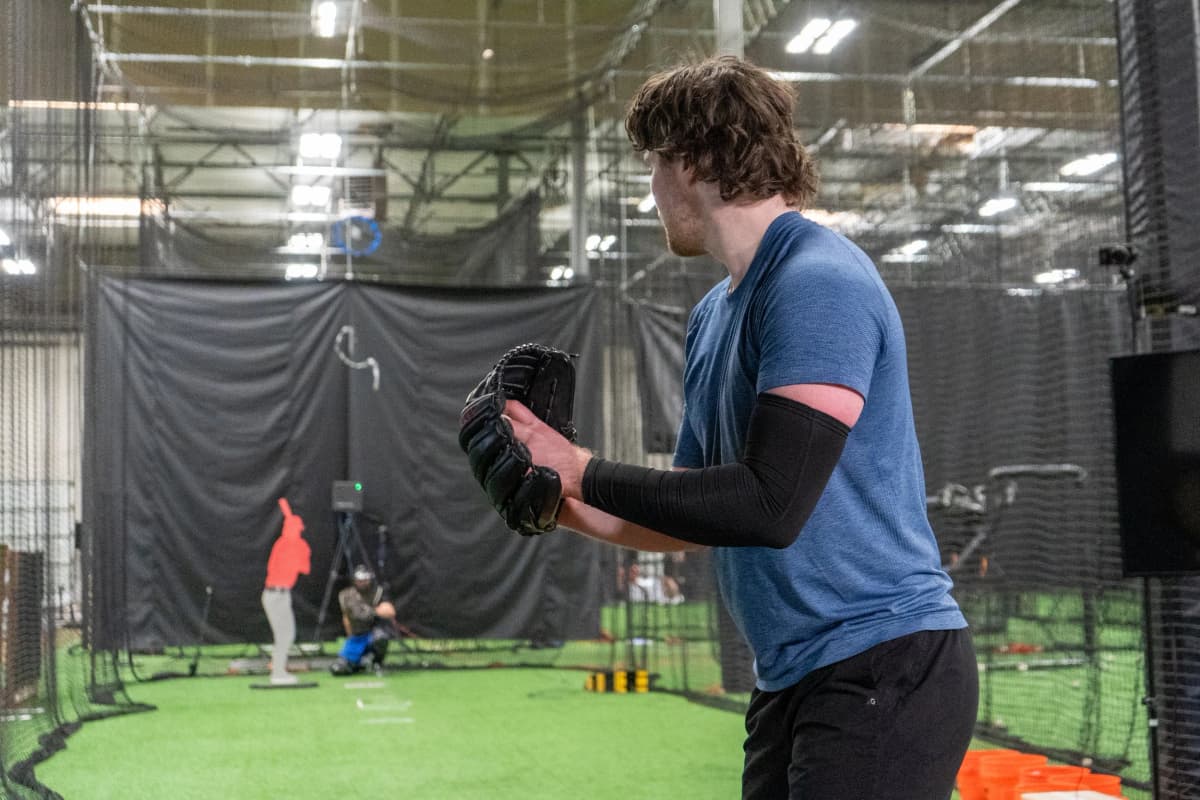
When Can You Start Throwing After Tommy John Surgery?
Many protocols introduce throwing around four months after UCL reconstruction, but surgeon clearance, motion, force, plyometric tolerance, and symptom stability should decide readiness.
By Dylan NewcomerWhen Can Pitchers Return to the Mound After Tommy John?
Mound work usually follows months of successful catch play and higher-intent flat-ground throwing. The athlete must earn the slope through force, command, workload, and recovery.
By Jason Modafari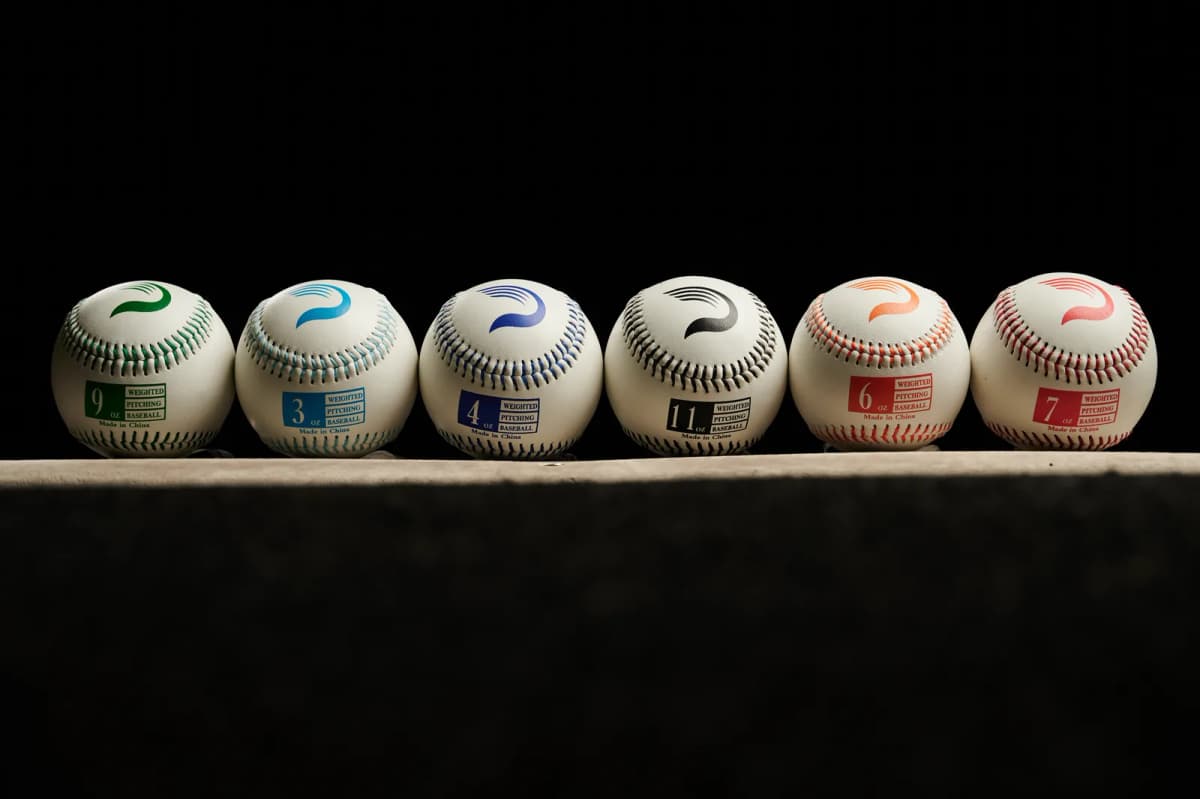
Why Forearm Strength Matters After UCL Injury and Tommy John Surgery
The forearm cannot replace the UCL, but the flexor-pronator group is part of the elbow's dynamic defense. Rehab has to train force, tissue tolerance, speed, and fatigue resistance.
By Dylan Newcomer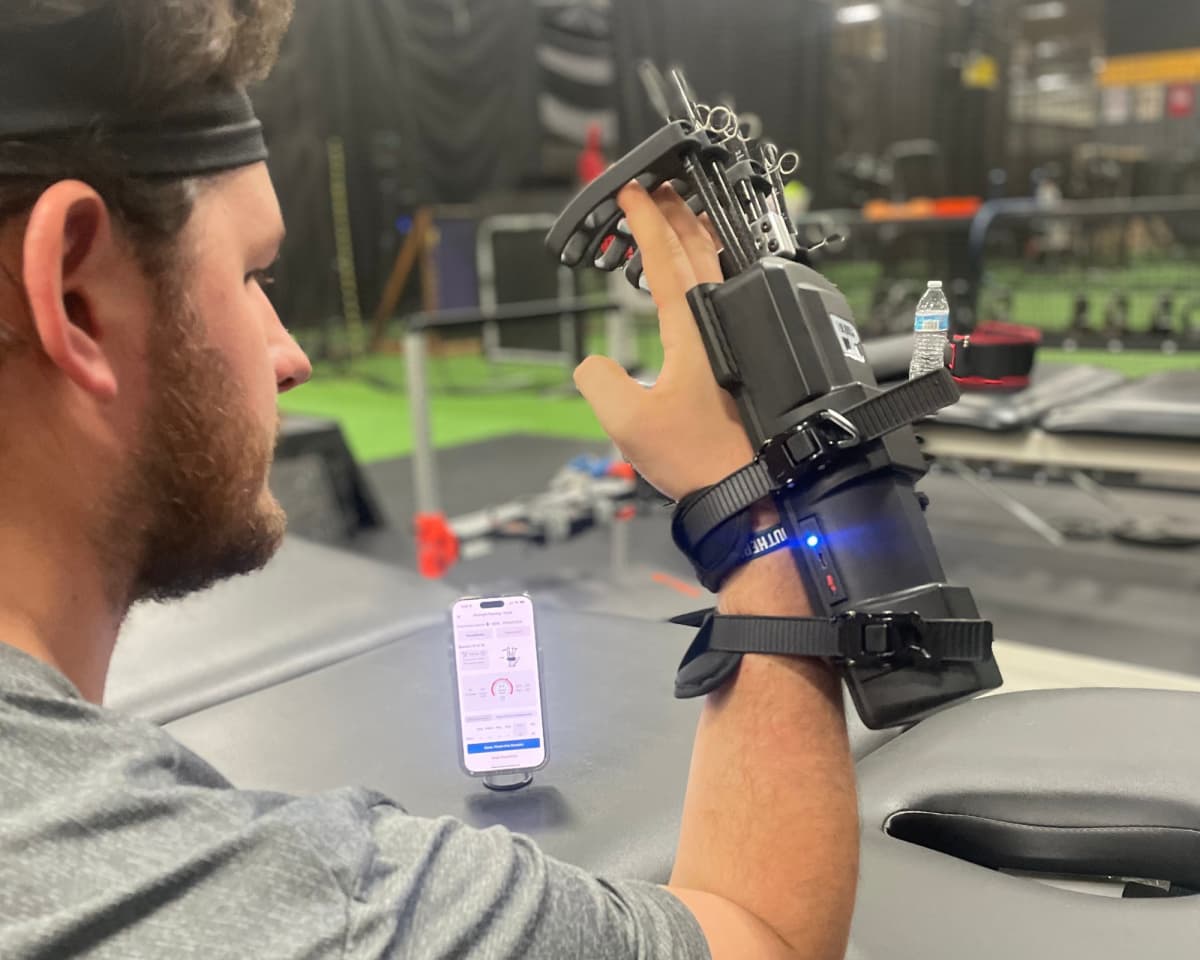
Internal Brace vs Tommy John Surgery: What Changes in Rehab?
UCL repair with an internal brace can move faster than reconstruction in selected injuries, but it is not a shortcut for every thrower. Tissue pattern and quality determine the operation.
By Jason Modafari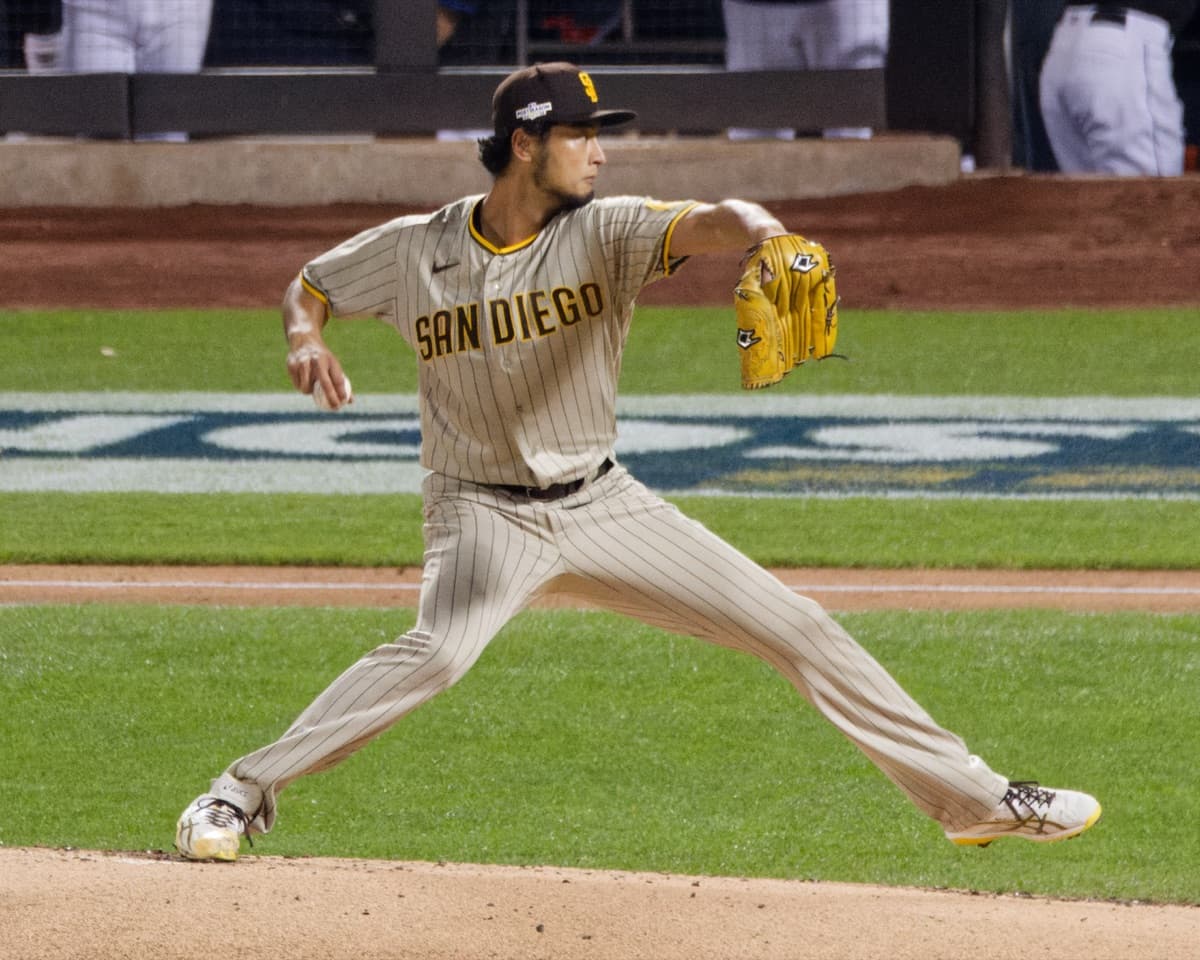
My Elbow Hurts When I Throw. Should I Stop Throwing?
Sharp, escalating, performance-limiting, or neurologic elbow symptoms are reasons to stop and get evaluated. Mild soreness still needs a workload decision, not blind toughness.
By Dylan NewcomerForearm Pain While Pitching: UCL, Flexor, or Something Else?
Pain below the inside of the elbow can come from the flexor-pronator group, UCL, ulnar nerve, or overlapping injuries. The pattern and loading tests matter more than the label.
By Jason Modafari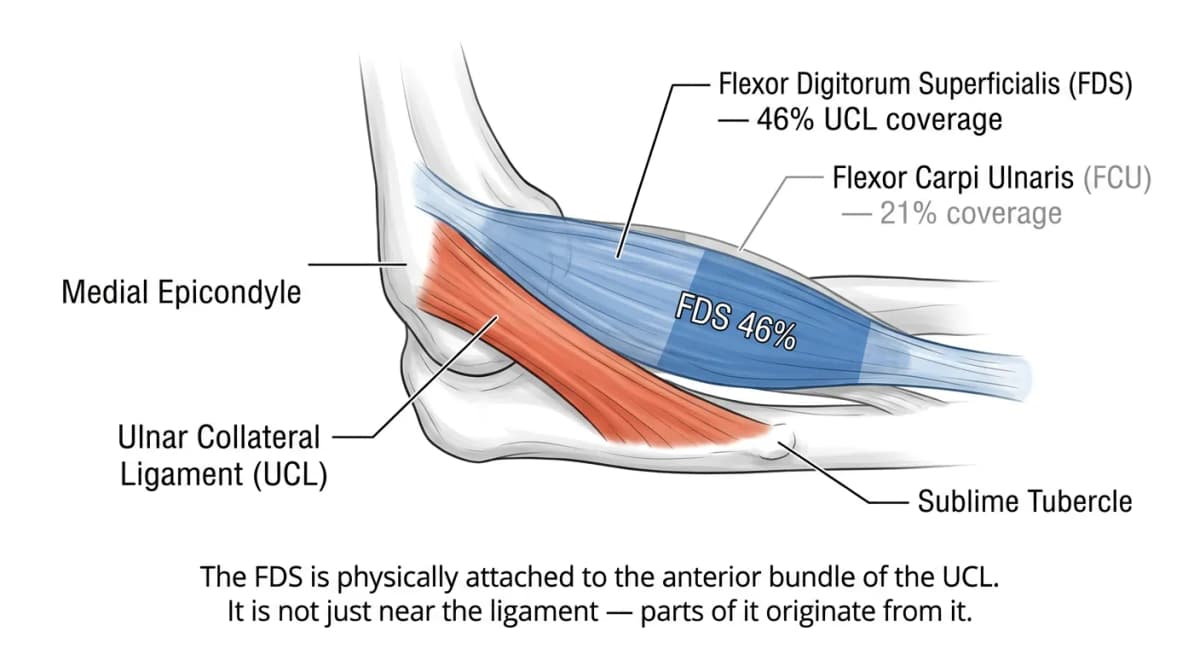
Ulnar Nerve Subluxation in Baseball Players: What Is That Snapping Elbow?
A snapping ulnar nerve can be painless or irritating. Tingling, burning, weakness, and throwing-related symptoms matter more than movement of the nerve by itself.
By Dylan Newcomer
Valgus Extension Overload in Pitchers: Symptoms, Rehab, and Return to Throwing
Posteromedial elbow pain during hard throwing can reflect valgus extension overload. Rehab must address joint irritability, force capacity, throwing load, and associated UCL problems.
By Jason Modafari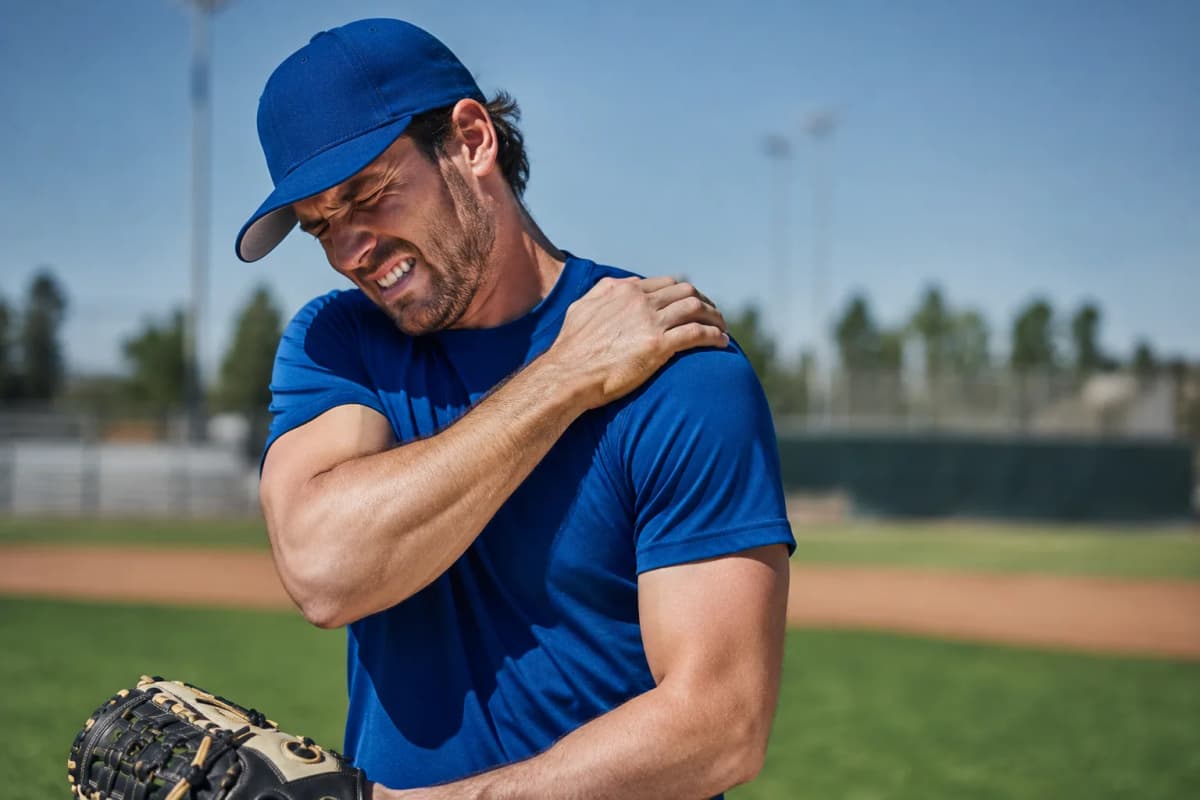
Why Does My Shoulder Hurt After Pitching?
Post-pitching shoulder pain can reflect workload fatigue, rotator-cuff or biceps irritation, instability, joint injury, or a neck and nerve problem. Timing and recovery shape the differential.
By Dylan Newcomer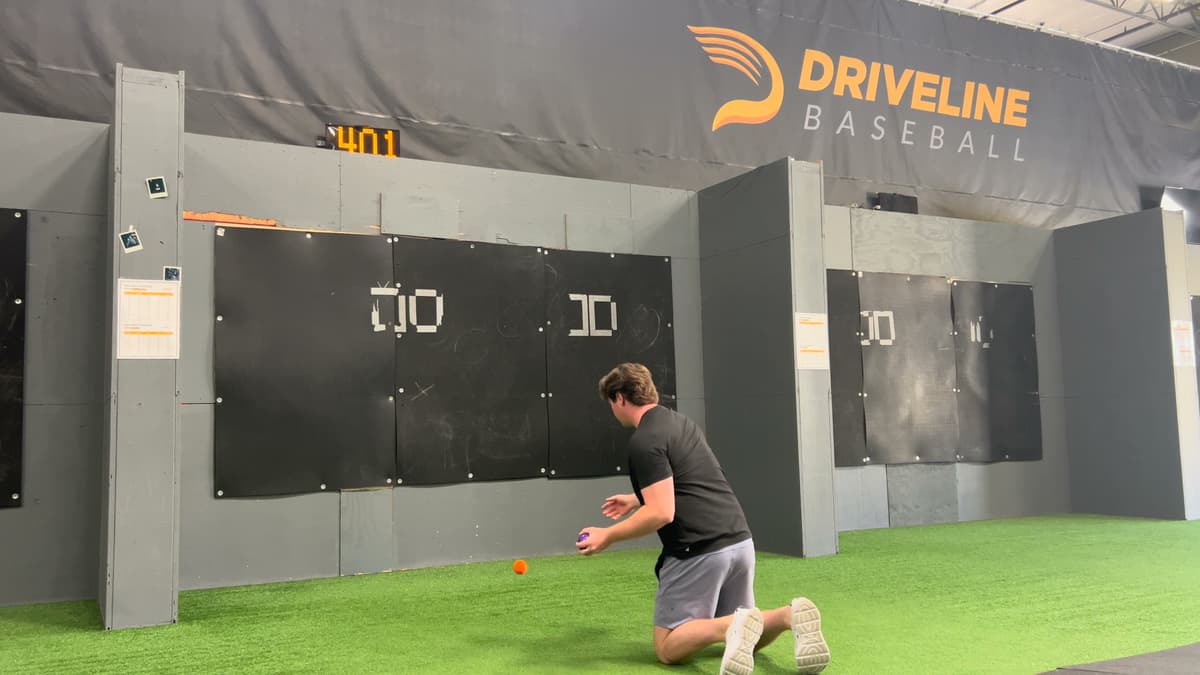
Rotator Cuff Strength for Baseball Players: What Actually Matters?
Pitchers need more than band external rotations. Useful cuff training develops force in several positions, speed, deceleration capacity, and the ability to repeat effort around throwing.
By Jason Modafari
Shoulder Strength Testing for Pitchers: What We Measure and Why
Shoulder testing should quantify force in repeatable positions, compare meaningful baselines, expose fatigue, and help decide what to train and when to progress throwing.
By Dylan NewcomerYour Muscles Fail Before Your UCL Does: The Deep Science of Tommy John
The UCL doesn't blow out in isolation. It fails when the muscles protecting it can no longer do their job — whether they yield from fatigue or lock from damage. Here's exactly what happens inside the elbow, pitch by pitch.
By Dylan Newcomer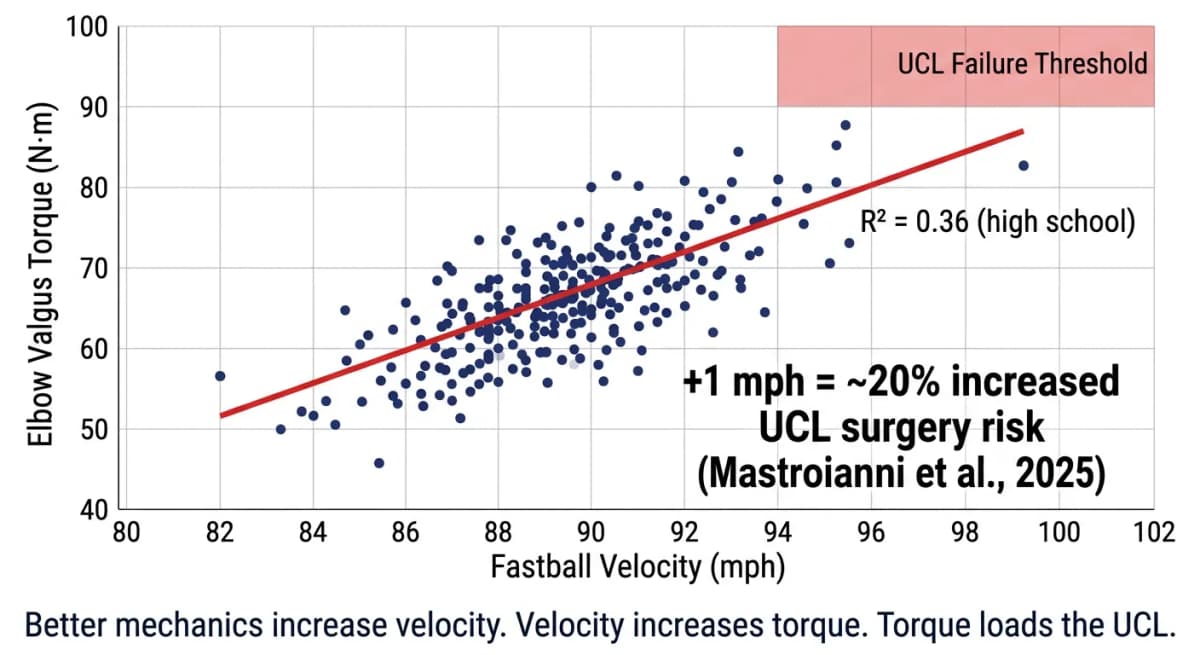
How Fast Should Throwing Velocity Progress During Rehab?
Velocity should rise in planned bands after the athlete tolerates the current dose. Radar data, volume, symptoms, mechanics, and next-day recovery belong in the same decision.
By Jason ModafariDead Arm in Baseball: Four Causes, One Nobody Catches
"Dead arm" is not one thing. It's four different problems — and the most underdiagnosed one is caused by a coaching cue every pitcher has heard.
By Dylan NewcomerBetter Mechanics Won't Save Your UCL: Here's Why
"Fix his mechanics" is baseball's most common advice, and a logical fallacy. The research says tissue capacity and workload are what actually matter.
By Dylan Newcomer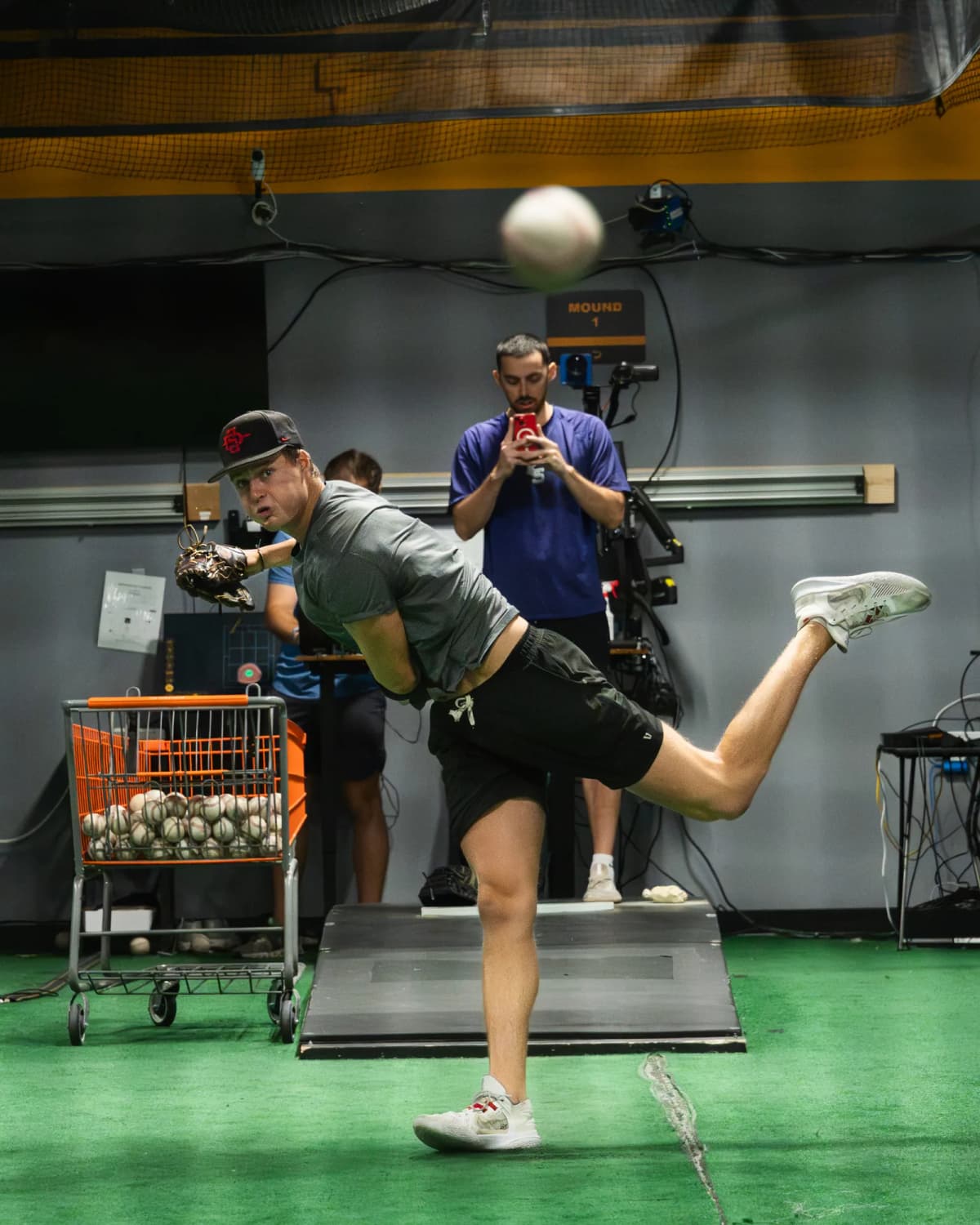
When Is a Pitcher Ready to Throw Off a Mound Again?
A pitcher earns the mound by tolerating flat-ground velocity and volume, restoring usable force and motion, and recovering on schedule. Time alone cannot answer it.
By Dylan Newcomer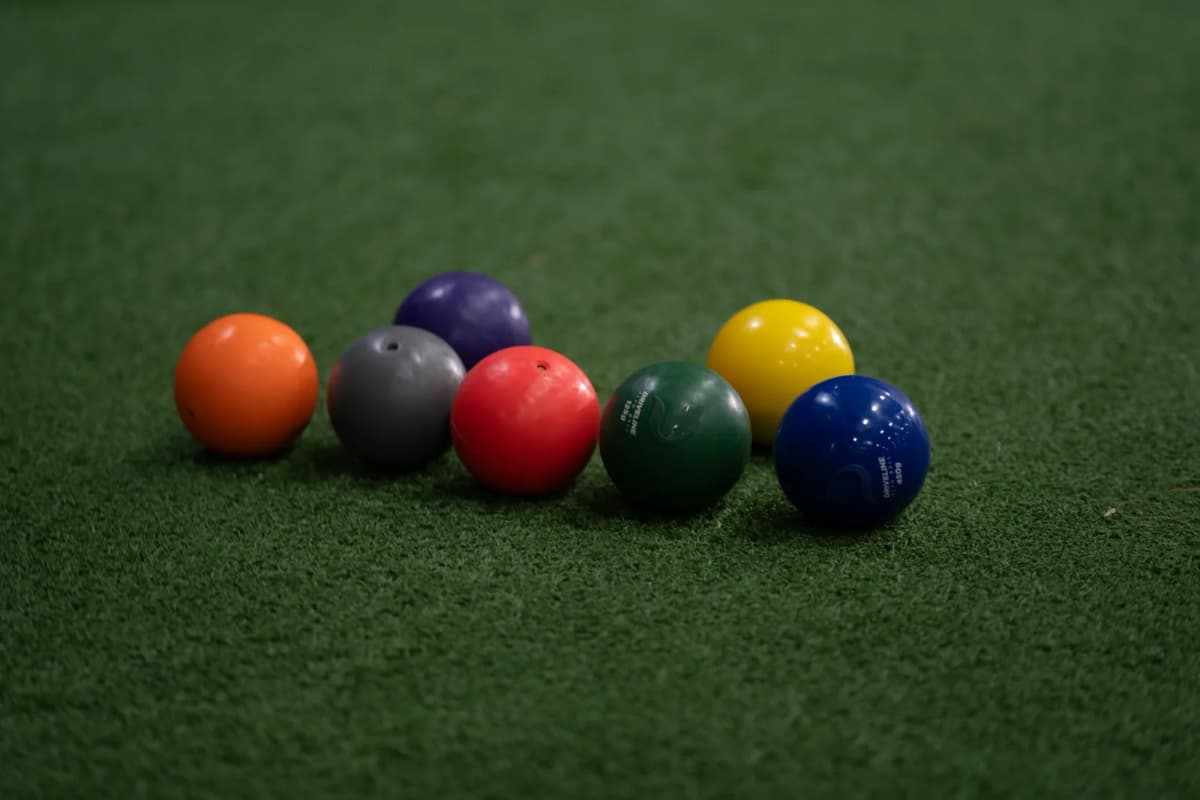
When Should Breaking Balls Be Added During Return to Throwing?
Breaking balls should return after the pitcher owns fastball volume, intent, command, and recovery. Pitch type is one variable inside the workload, not a date on the calendar.
By Jason Modafari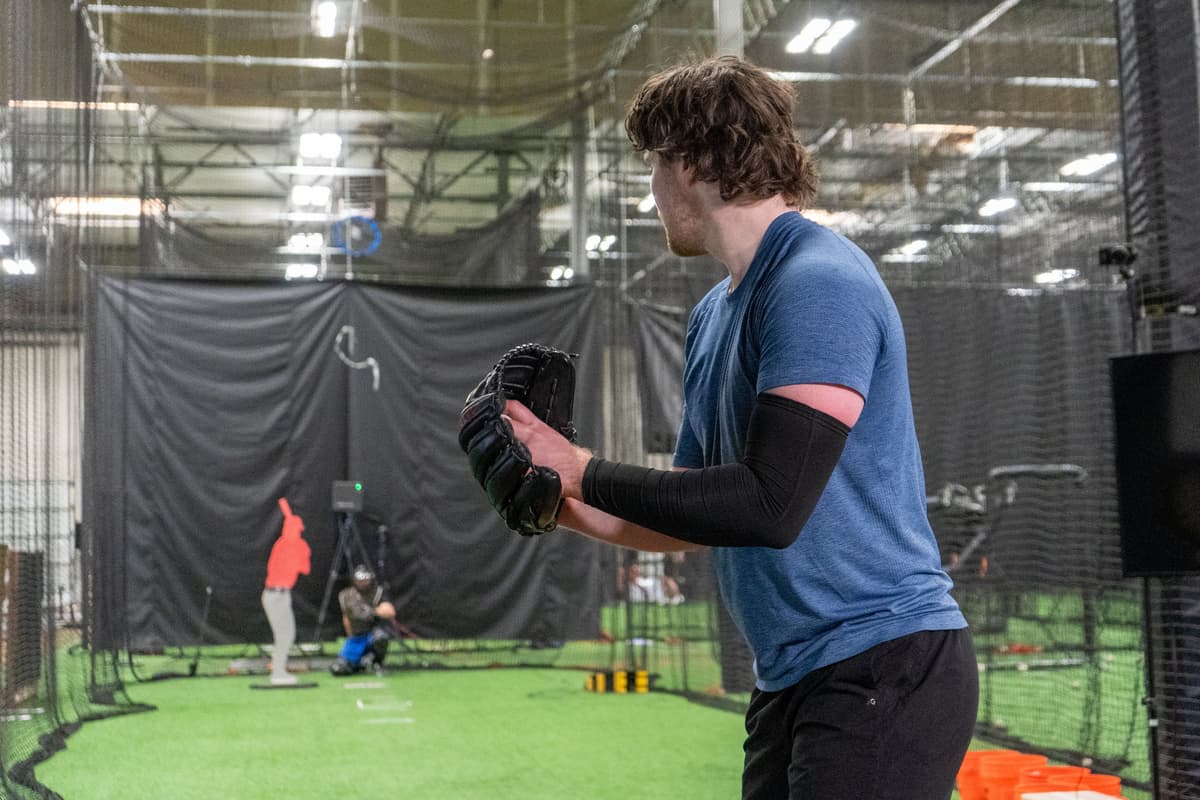
Why Data-Driven Throwing Rehab Gets Better Results
Hope is not a return-to-throw strategy. Feel-based rehab ignores the metrics that predict re-injury. Here is what data-driven rehab actually tracks.
By Dylan NewcomerWhy Being Cleared to Throw Is Not the Same as Being Ready to Pitch
Medical clearance opens the door to throwing. Pitching readiness requires velocity, command, workload tolerance, recovery, a full pitch mix, and exposure to competition demands.
By Dylan Newcomer