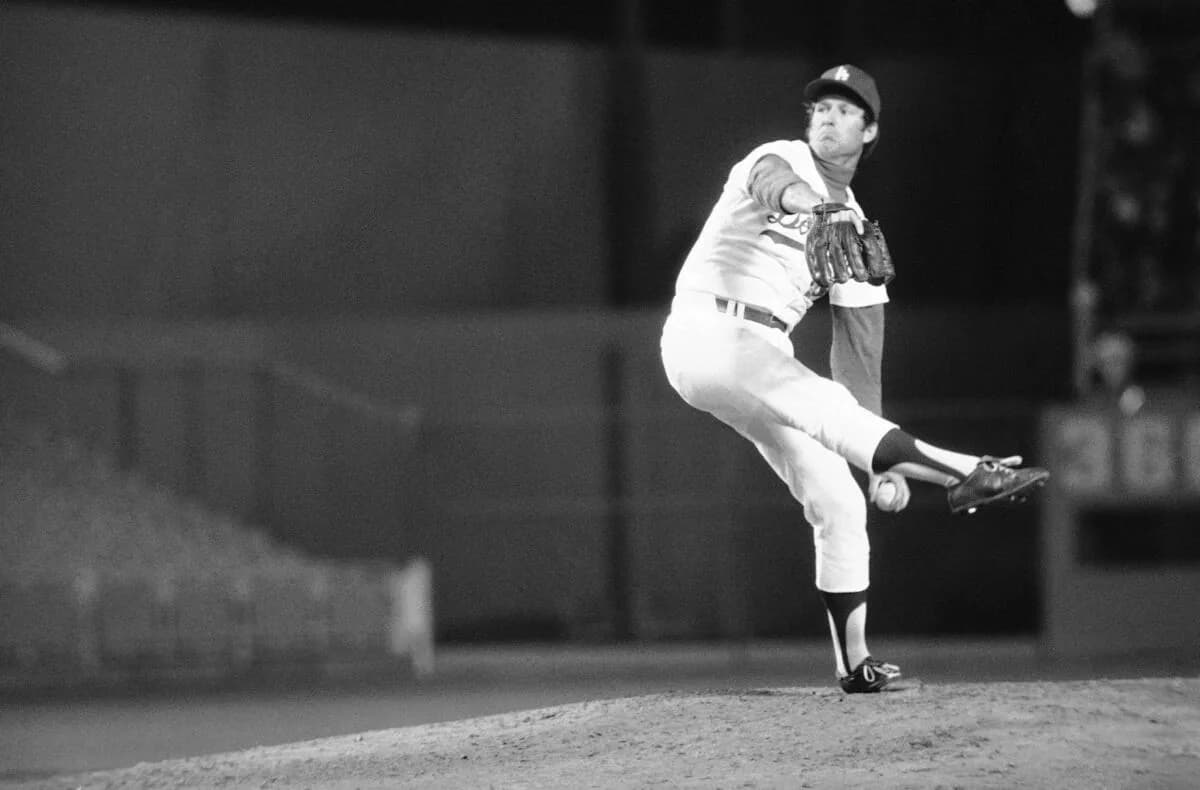
UCL Injury Treatment
Do you actually need Tommy John?
A UCL diagnosis is a decision point, not an automatic surgery date. The right path depends on the injury, your throwing demands, your timeline, and how the elbow responds to a properly structured rehab process.
KEY FACTS
- Can a partially torn UCL heal without surgery?
- Some partial UCL injuries can be managed without surgery. Published return rates vary widely, so tear location, stability, symptoms, competition level, goals, and response to rehab all matter.
- When does a UCL tear require surgery?
- A complete tear, clinical instability, persistent symptoms, or limited progress may prompt an orthopedic consultation. The surgeon and athlete decide on surgery after reviewing the examination, imaging, goals, and treatment response.
- How long is conservative UCL rehab?
- Conservative rehab often takes roughly 8–16 weeks before a throwing progression, with competition taking longer. The injury, stability, symptoms, and response can shift that timeline.
- What does a UCL injury feel like?
- Sharp medial (inside) elbow pain during the acceleration phase of throwing: sometimes with a pop, decreased velocity, or a sense of the elbow "giving out" on hard throws.
- What are red flags that lean toward surgery?
- Pain with low-intensity throwing, a sense of instability, persistent loss of function, or numbness and tingling are reasons for a prompt evaluation. They do not determine the treatment path by themselves.
Decision Framework
The Decision Framework
This is not a yes-or-no question. These are the objective factors that inform the surgical vs. conservative decision.
Conservative Rehab
The right path when the tear is manageable and the athlete is willing to commit to a structured process.
Tear Grade
Partial tear (low to mid grade) without significant instability
Exam Findings
Minimal valgus laxity on stress testing, pain but no giving way
Imaging
MRI shows partial tear without full-thickness disruption or retraction
Symptoms
Pain with throwing but able to perform daily activities without issue
Athlete Level
Any level, but especially athletes with time flexibility in their schedule
Timeline
3-5 months to return to competition with structured rehab and return-to-throw
Surgical Reconstruction
Necessary when the ligament cannot heal enough to tolerate throwing demands on its own.
Tear Grade
Full-thickness tear or high-grade partial with instability
Exam Findings
Clear valgus instability on stress testing, positive moving valgus stress test
Imaging
MRI shows complete disruption, retraction, or avulsion of the UCL
Symptoms
Unable to throw at any intensity without pain, sense of instability
Athlete Level
Competitive thrower committed to full return, especially high-level pitchers
Timeline
12-18 months from surgery to return to competition with full rehab protocol
The Reality
The Gray Area
Most UCL injuries are not clear-cut. You have a partial tear, some pain, maybe a little instability, and three different opinions from three different doctors. One says surgery. One says rest. One says “let's see how it goes.”
Here is what we recommend for the gray area: try conservative treatment first, but try it correctly. Not “rest for 6 weeks and then start throwing again.” A structured, progressive loading program that specifically targets the UCL's capacity to handle valgus stress.
If after 6-8 weeks of legitimate conservative rehab you are not seeing meaningful progress (less pain, better tolerance of throwing loads, improved function), then surgery becomes the clearer path.
Red Flags That Lean Toward Surgery
- !Pain with low-intensity throws (playing catch at 60 feet)
- !Numbness or tingling in your ring and pinky fingers
- !Sensation of the elbow "opening up" during acceleration
- !Prior PRP or stem cell injection without improvement
- !Failed conservative rehab (real rehab, not just rest)
- !Full-thickness tear on MRI with clear instability on exam
The Process
What Conservative Rehab Actually Looks Like
Assessment
Valgus stress testing, grip strength measurement, range of motion, workload history, and flexor-pronator capacity testing. The injury equation is straightforward: stress applied exceeded tissue capacity. We need to understand where the gap is.
Load Management
Strategic rest from throwing, not complete shutdown. Maintain upper body and lower body training while protecting the UCL from provocative stress.
Progressive Loading
Heavy loading of the flexor-pronator group, specifically the FDS and FCU, which provide 46% and 21% anatomical coverage of the UCL respectively. We use FlexPro Grip and heavy resistance training (>70% MVC) to build tendon stiffness.
Return to Throw
Velocity-based throwing progression, not distance-based. Velocity correlates with valgus torque on the UCL. Every session monitored with radar, PULSE, and video at Driveline.
Full-Effort Bullpens & Handoff
Bullpen intensity, pitch mix, role-specific volume, and between-session recovery are rebuilt before the performance handoff. We send current workload, velocity, and strength benchmarks to the athlete's team, private coach, or Driveline staff for live hitters and competition work.
If Surgery Is the Answer
82% of MLB pitchers return to play within 3 years of UCL reconstruction, but only 28% sustain their prior level of performance across the seasons that follow. The gap between those numbers is rehab quality.
See TJ Rehab Protocol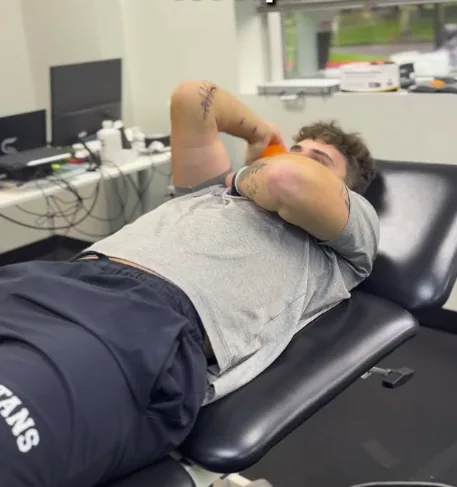
UCL injury and treatment
COMMON QUESTIONS
If you're deciding whether this fits, start here.
Related
Related Conditions
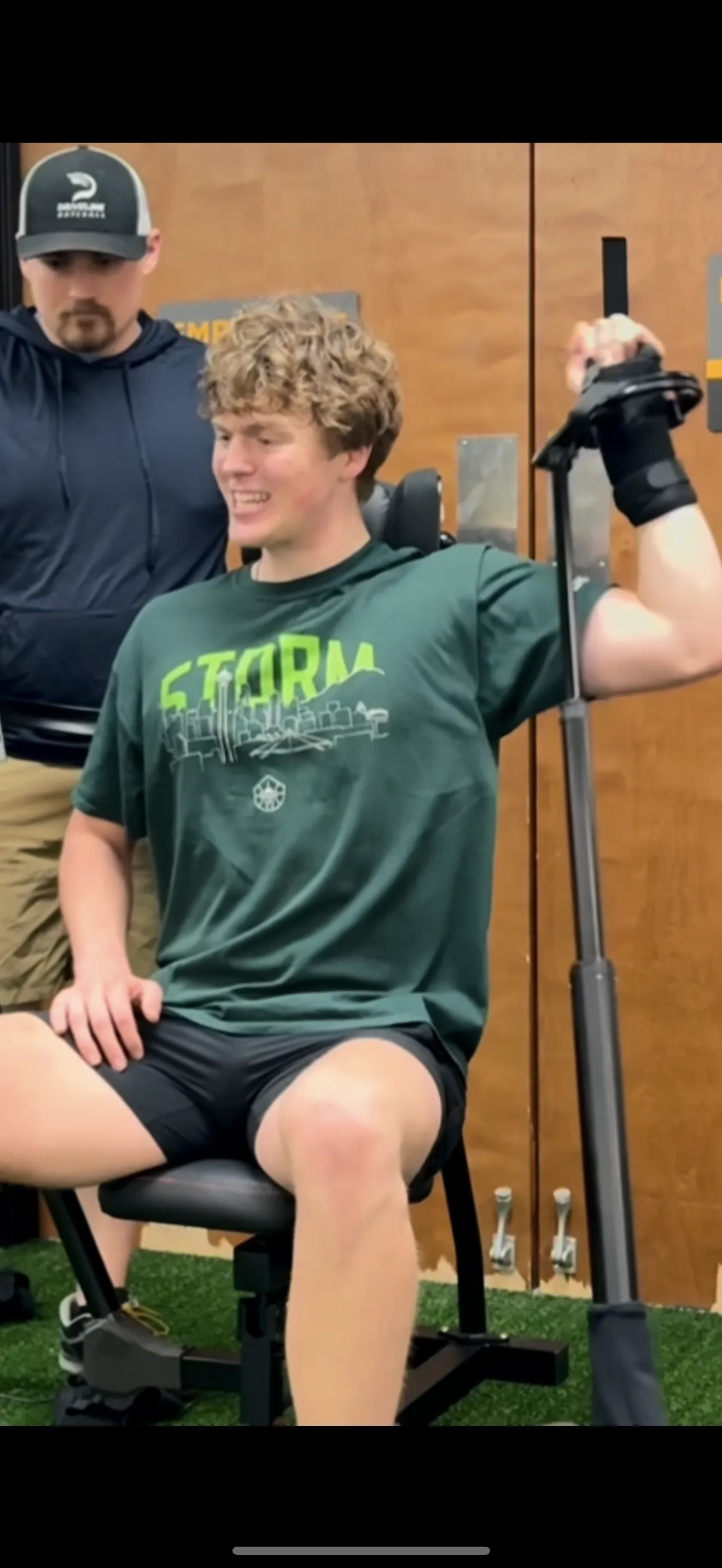
Get a Clear Answer.
Stop guessing. We can evaluate your elbow, review your imaging, and give you an honest assessment of where you stand and what options may fit.
Book a Free ConsultAvailable in Kent, WA sports physical therapy and Tampa Bay, FL
Baseball clinical guides
Continue learning about UCL rehab
Follow the injury from diagnosis through strength, throwing, mound work, and the return to competition.