DRY NEEDLING FOR THROWING SHOULDER PAIN: CREATING A BETTER WINDOW TO TRAIN
The short version
Dry needling can reduce pain and guarding in a throwing shoulder, improve motion, and make strength work more productive. We use that response inside a full return-to-throwing plan.

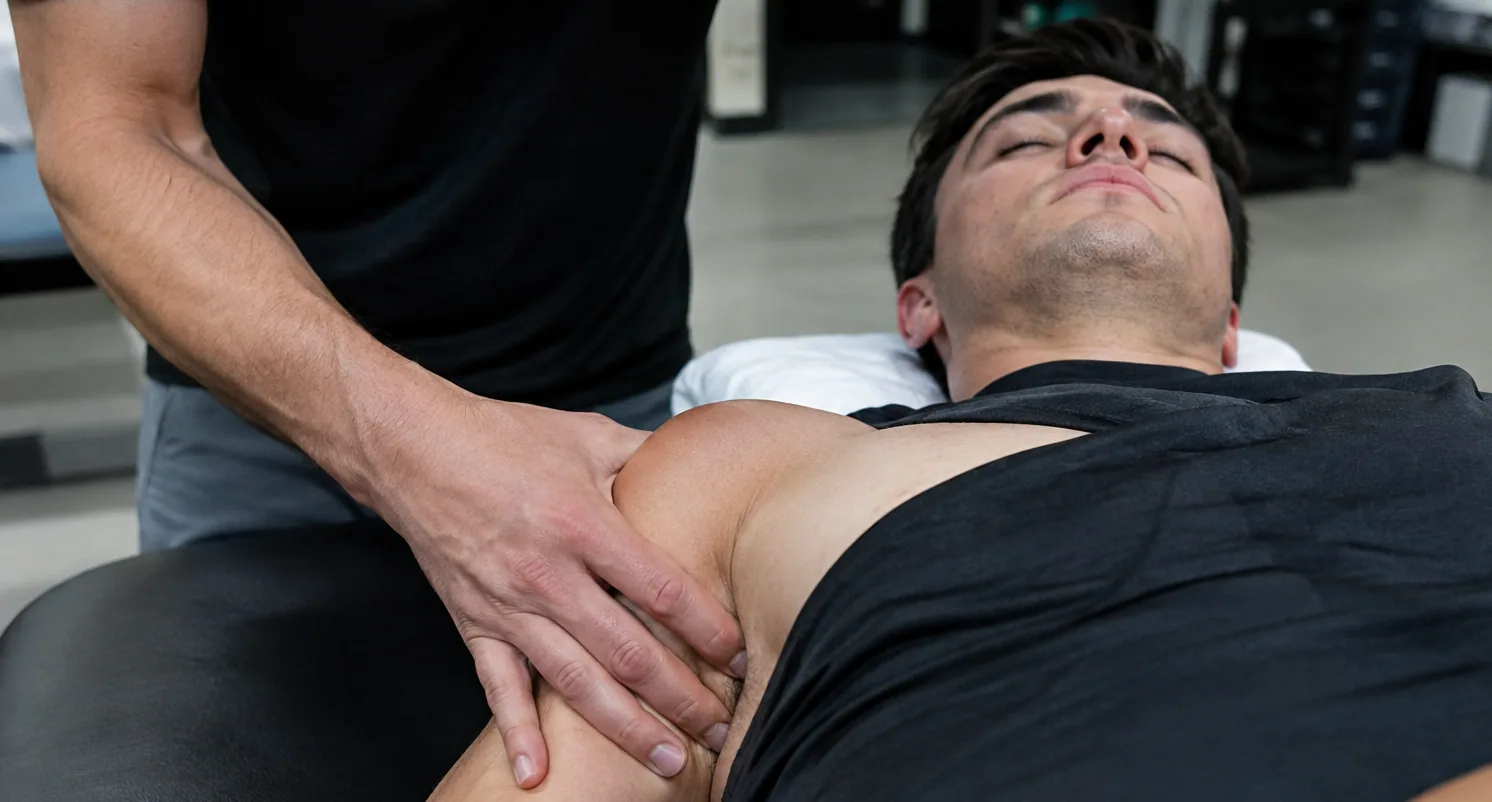
A pitcher comes in with posterior shoulder pain and a heavy arm. External rotation feels blocked. The first few throws hurt, and cuff testing drops off in the position where the shoulder needs to be strongest.
Dry needling may change that picture within the session. Motion opens. Pain drops. The arm feels easier to move. That quick response gives us a better window for cuff training, plyometrics, or the next step in a throwing progression.
What Dry Needling Is Trying to Change
Dry needling places a thin solid needle into selected muscle or connective tissue. Clinicians use it to change pain, muscle tone, and movement tolerance. No medication is injected.
The exact mechanism is still being studied. Proposed effects include a change in local chemical signaling, blood flow, muscle tone, and how pain is processed through the peripheral and central nervous system. A local twitch response may occur, but the treatment can be useful without chasing a twitch in every muscle.
The treatment can create soreness, bruising, or a brief symptom flare. Rare but serious risks exist, including pneumothorax when needling near the thorax, which is why anatomy, training, consent, and sterile technique matter.
What the Shoulder Evidence Shows
Systematic reviews have reported short-term improvements in pain and disability for some shoulder populations, including subacromial pain. A broader umbrella review found that dry needling reduced pain more than sham or no intervention in the short term across body regions.
The overhead-athlete literature is smaller, but it is encouraging. A 2024 systematic review found rapid potential improvements in pain, shoulder disability, and muscle strength. The six included studies used varied methods, so there is no universal recipe for dosage or timing.
That short-term profile fits sports rehab well. A pitcher does not need a modality to do all the work. He needs enough symptom change to move, produce force, and complete better training.
When It May Be Useful
Dry needling may fit when pain or guarding limits motion, strength work, sleep, or the ability to begin a throwing progression. It can also help an athlete who repeatedly arrives with the same muscular tightness after throwing and struggles to recover before the next session.
A good response may look like five more degrees of shoulder rotation, less pain during cuff testing, or a stronger contraction in the position that was guarded. Small changes can alter the quality of an entire session.
We do not use it to avoid evaluating instability, labral injury, neurologic symptoms, workload fatigue, or a cervical source. Shoulder pain after pitching has too many possible causes for one modality to serve as the diagnosis.
How We Use the Window
If motion improves, we load the new range. If pain decreases, we train the cuff and surrounding system. If the arm tolerates more work, we progress the plan while that opportunity is available.
A pitcher still needs force in multiple shoulder positions, rapid deceleration capacity, trunk and lower-body strength, and a measured return to throwing. The benefit of a modality is what it lets the athlete do next.
The Evaluation Still Directs the Treatment
A local twitch response or a tender spot cannot tell us the full diagnosis. Throwers can have rotator-cuff symptoms, biceps or labral involvement, instability, internal impingement, nerve irritation, workload fatigue, or referred pain from the neck. Several can coexist.
That is why the evaluation comes first. We ask where in the delivery symptoms occur, how force and motion change after an outing, whether velocity or command has changed, and how long recovery takes. We test the shoulder in several positions and screen the neck and neurologic system when the history calls for it.
Needling may change one part of that presentation. The full evaluation tells us what else must be trained, protected, or referred for further review.
A Practical Trial
Suppose posterior shoulder pain limits external-rotation strength and makes the first 15 throws uncomfortable. We record the painful task, force, and motion. After needling, we repeat the same measures. A useful immediate response might let the athlete complete better strength work that day.
The next question is durability. Does the improved motion remain? Can the athlete progress throwing? Does the next-day response improve? A good trial connects an immediate change to better work and better recovery.
How Dry Needling Earns Its Place
We keep dry needling in the plan when the athlete moves better, trains better, and progresses throwing with fewer symptoms. If that carryover never appears, we change the dosage, choose another tool, or revisit the diagnosis and workload.
Dry needling is one part of Athletic Potential's throwing-shoulder rehabilitation. We use it to create a better session today while the larger plan builds an arm that can handle the innings ahead. Baseball care is available in Kent, Washington and Tampa, Florida.
THE NEXT STEP
See how a throwing-shoulder evaluation connects diagnosis, force testing, workload, and the return to pitching.
Explore Throwing Shoulder RehabRELATED POSTS
What Does a UCL Injury Feel Like?
UCL pain is usually felt on the inside of the throwing elbow, but location alone cannot tell you whether the ligament is irritated, partially torn, or the wrong suspect entirely.
 By Dylan Newcomer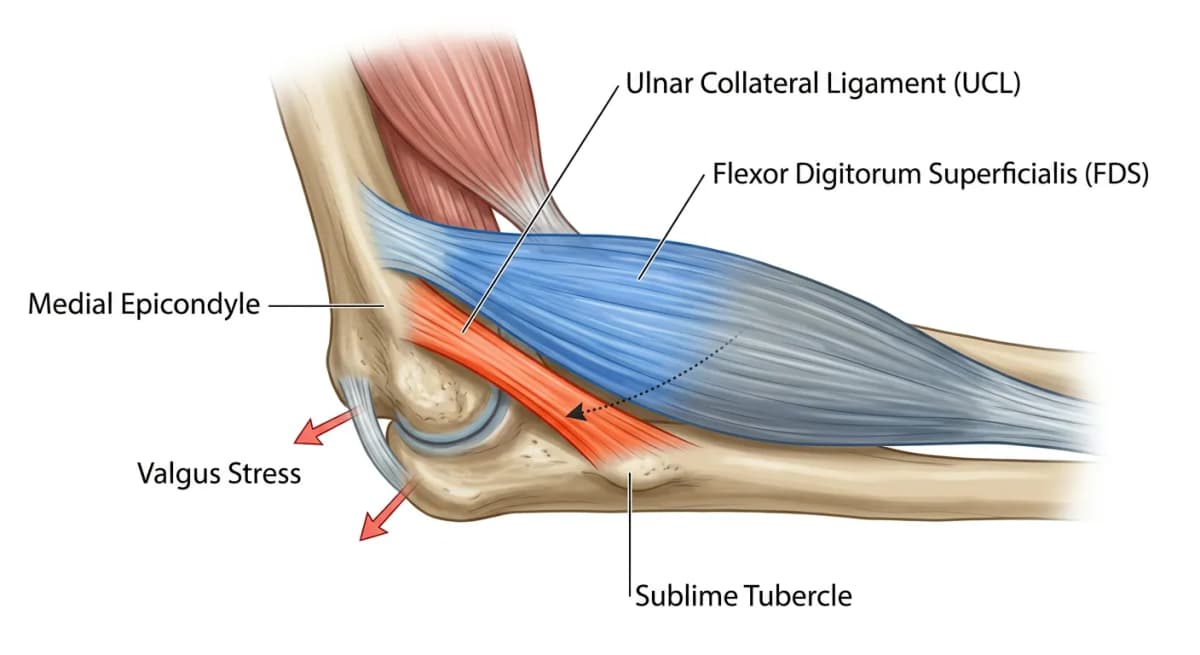
Can a Partial UCL Tear Heal Without Surgery?
Some partial UCL tears can return to high-level throwing without surgery. Tear location, tissue quality, symptoms, timing, and the demands of the athlete all change the answer.
 By Jason Modafari
UCL Rehab Without Surgery: What Does It Actually Look Like?
Nonoperative UCL rehab is a criteria-based progression from calming the elbow to heavy strength work, plyometrics, throwing, mound exposure, and proof that the arm can recover.
By Dylan Newcomer