WHEN CAN YOU START THROWING AFTER TOMMY JOHN SURGERY?
The short version
Many protocols introduce throwing around four months after UCL reconstruction, but surgeon clearance, motion, force, plyometric tolerance, and symptom stability should decide readiness.

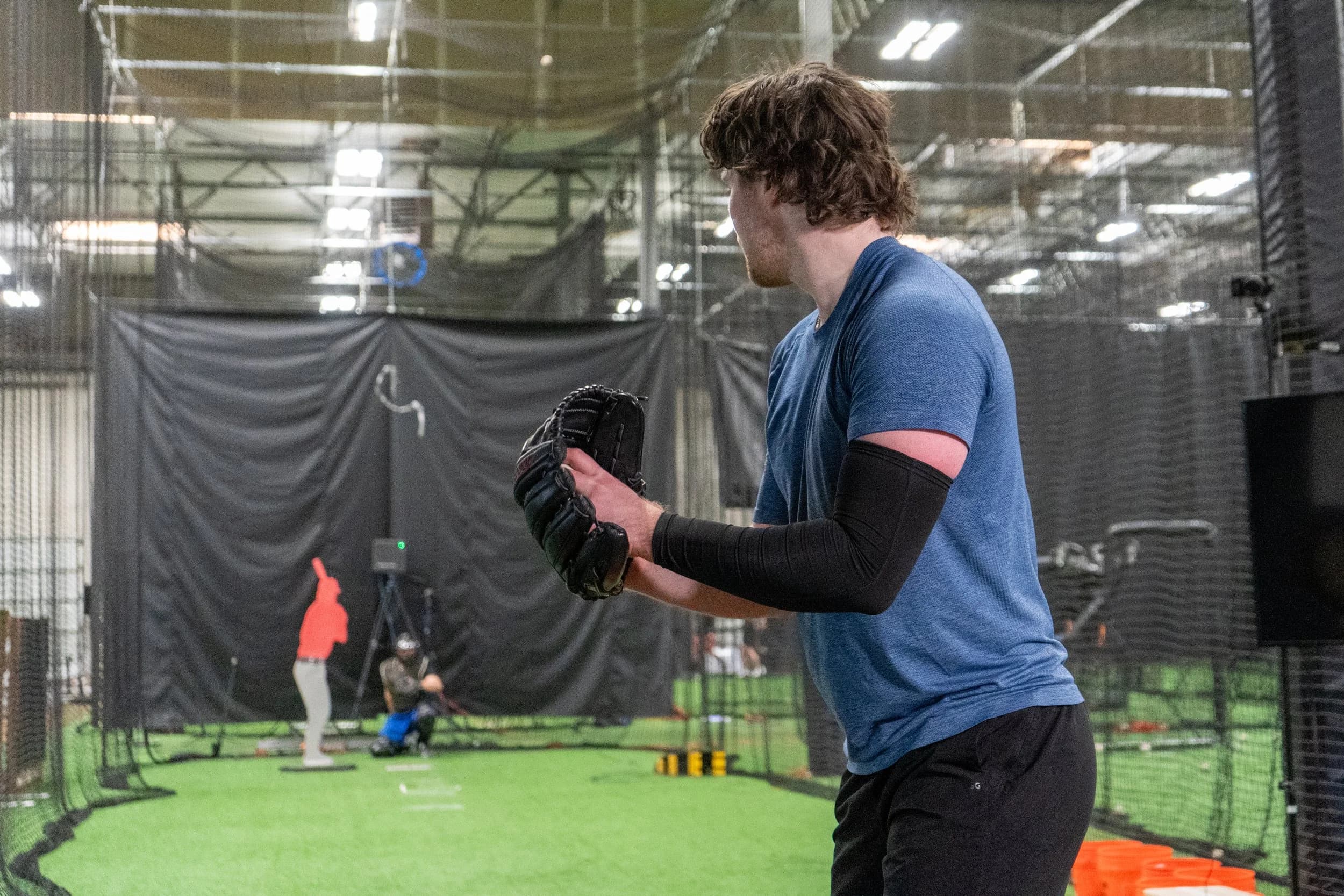
Table of Contents
- Tissue Healing Sets the Earliest Boundary
- What Should Be True Before the First Throw?
- Repair and Reconstruction May Follow Different Timelines
- What the First Weeks of Throwing Look Like
- Normal Soreness Versus a Warning Sign
- Strength Training During the Throwing Phase
- Why Starting Earlier Is Not Winning
- What Comes After Catch Play?
Four months has become the number athletes circle after Tommy John surgery. It is often when a throwing program begins. It is not a promise that every reconstructed elbow should throw on that date.
A 2024 review of published UCL reconstruction protocols found that throwing began at an average of 120 days. The same review found substantial variation across protocols. That should change how we use the number: as a general orientation point, not a pass-fail rule.
Tissue Healing Sets the Earliest Boundary
The graft must incorporate and remodel. No strength test can override biology.
The surgeon's procedure, graft choice, fixation, associated procedures, complications, and follow-up findings influence the timeline. An athlete who also had ulnar nerve work or another elbow procedure may follow a different course from an isolated reconstruction.
Clearance from the surgeon is necessary. It is not the only thing we check.
What Should Be True Before the First Throw?
We want a quiet elbow with no unexplained swelling, stable pain, and functional flexion and extension. Shoulder motion should be understood in the context of the athlete's normal throwing adaptations. Force through the forearm, elbow, shoulder, trunk, and lower body should be progressing well.
The athlete should also tolerate faster preparatory work. Medicine-ball patterns, upper-extremity plyometrics, rapid forearm actions, and deceleration drills give us information that slow resistance exercises cannot.
There is no single evidence-based cutoff that guarantees safety. The decision comes from the whole profile:
- healing time and surgeon guidance
- elbow and shoulder motion
- force and fatigue testing
- tolerance of plyometric work
- stable symptoms during and after training
- athlete understanding and adherence
We also want the athlete training consistently. A pitcher who reaches four months but has missed most strength sessions is not in the same position as one who has rebuilt force steadily. Time since surgery cannot compensate for an underdosed middle phase.
Repair and Reconstruction May Follow Different Timelines
UCL repair with internal brace can permit an earlier progression in selected athletes because native tissue is repaired rather than replaced with a graft. Reconstruction requires graft incorporation and remodeling. Associated procedures, tissue quality, and surgeon preference still create variation within each group.
Athletes should know which procedure they had. “Tommy John” is often used casually for both, but the biological constraints are not interchangeable. Our internal brace versus reconstruction guide explains the distinction.
What the First Weeks of Throwing Look Like
Early catch play should feel almost too easy. That is the point.
We begin with manageable distance, low intent, and low volume. Sessions are separated by enough recovery to identify soreness that appears later. We progress one major stressor at a time instead of adding throws, distance, and intent together.
Velocity can help verify intent. Athlete-reported effort is useful, but two throws described as “60 percent” can be very different. A radar gun turns a vague instruction into something repeatable.
The return-to-throwing guide explains how we organize these variables through the full program.
Normal Soreness Versus a Warning Sign
An arm that has not thrown for months may feel generally tired after the first sessions. Diffuse muscle soreness that settles on schedule is different from focal medial elbow pain, sharp pain, instability, tingling into the hand, loss of motion, or symptoms that intensify across sessions.
We use a response window. What happened during throwing? What happened later that day? What does the elbow feel like the next morning? Can the athlete complete the planned strength work without a change in function?
A repeated warning sign needs investigation, not another week of forcing the same step.
General muscle fatigue often feels broad and resolves within the planned recovery window. Focal medial elbow pain, a sharp catch, increasing pain across throws, tingling, or a new loss of extension deserves more caution. The athlete should know in advance which response means stop, hold, or proceed.
Strength Training During the Throwing Phase
Starting catch does not end rehab in the gym. Forearm, shoulder, trunk, and lower-body work continue while throwing becomes the most specific exposure. We may reduce volume around higher-intent days, but removing strength entirely can allow capacity to slide just as throwing demand rises.
The weekly plan should show both loads. A bullpen progression layered on top of an unchanged high-volume lift schedule can create fatigue that neither plan appears to contain on its own.
Why Starting Earlier Is Not Winning
Throwing progressions are long. Beginning two weeks sooner does not matter if the athlete repeatedly stops because strength, motion, or workload tolerance was not ready.
The same is true at the other end. An athlete is not behind simply because his surgeon or clinical presentation calls for a later start. The objective is a durable return to pitching, not a social-media milestone.
What Comes After Catch Play?
Distance and intent gradually rise. Pitchers then move toward firm flat grounds, higher intent, and finally a structured return to the mound. Bullpens, pitch mix, hitters, and game innings each require their own progression.
The complete Tommy John rehab guide connects these stages with strength and recovery. Four months may be when throwing starts. Readiness is what makes the start useful.
THE NEXT STEP
Follow the complete path from postoperative protection through strength, throwing, mound work, and competition.
Explore Tommy John RehabRELATED POSTS
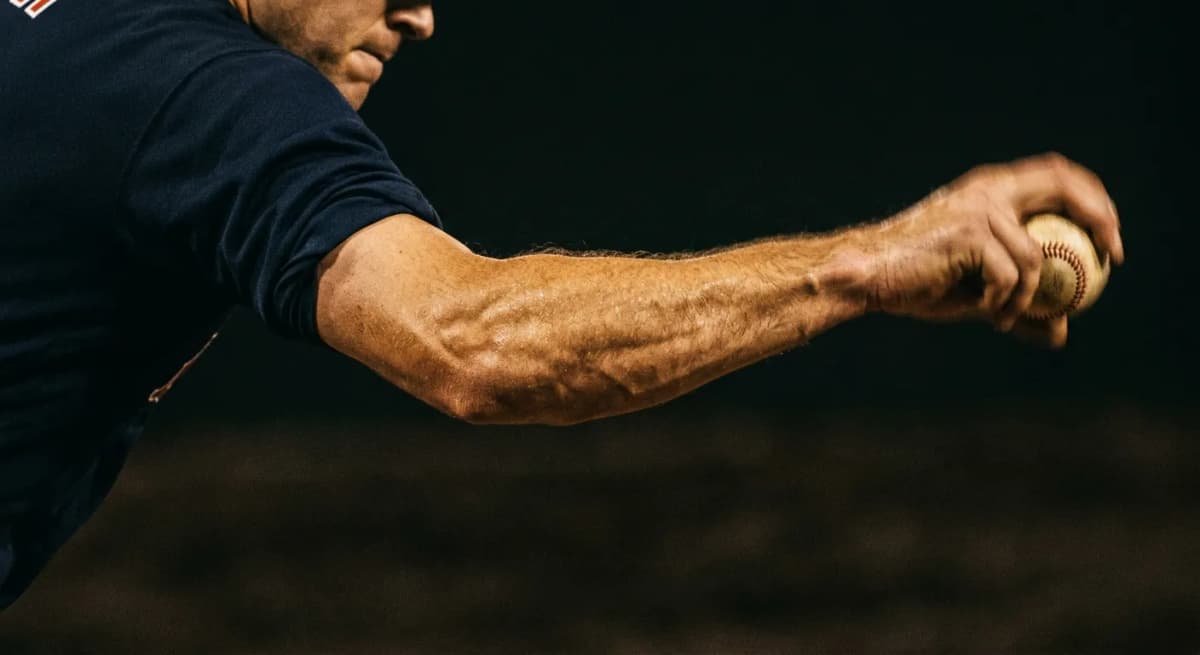
What Does a UCL Injury Feel Like?
UCL pain is usually felt on the inside of the throwing elbow, but location alone cannot tell you whether the ligament is irritated, partially torn, or the wrong suspect entirely.
 By Dylan Newcomer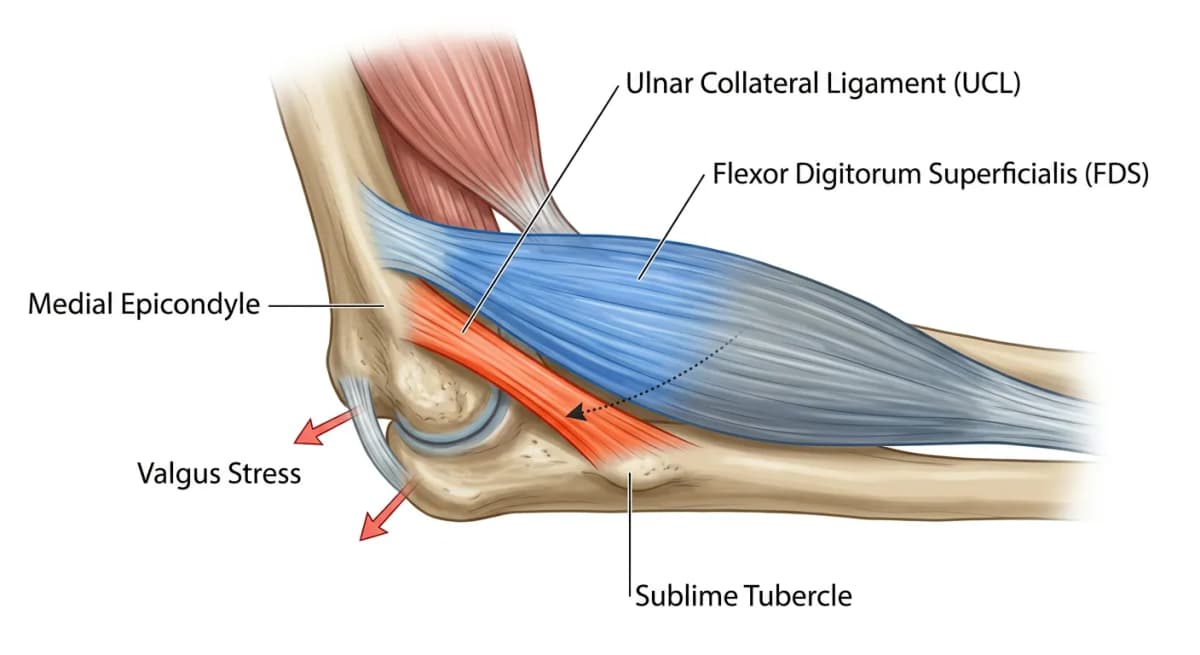
Can a Partial UCL Tear Heal Without Surgery?
Some partial UCL tears can return to high-level throwing without surgery. Tear location, tissue quality, symptoms, timing, and the demands of the athlete all change the answer.
 By Jason Modafari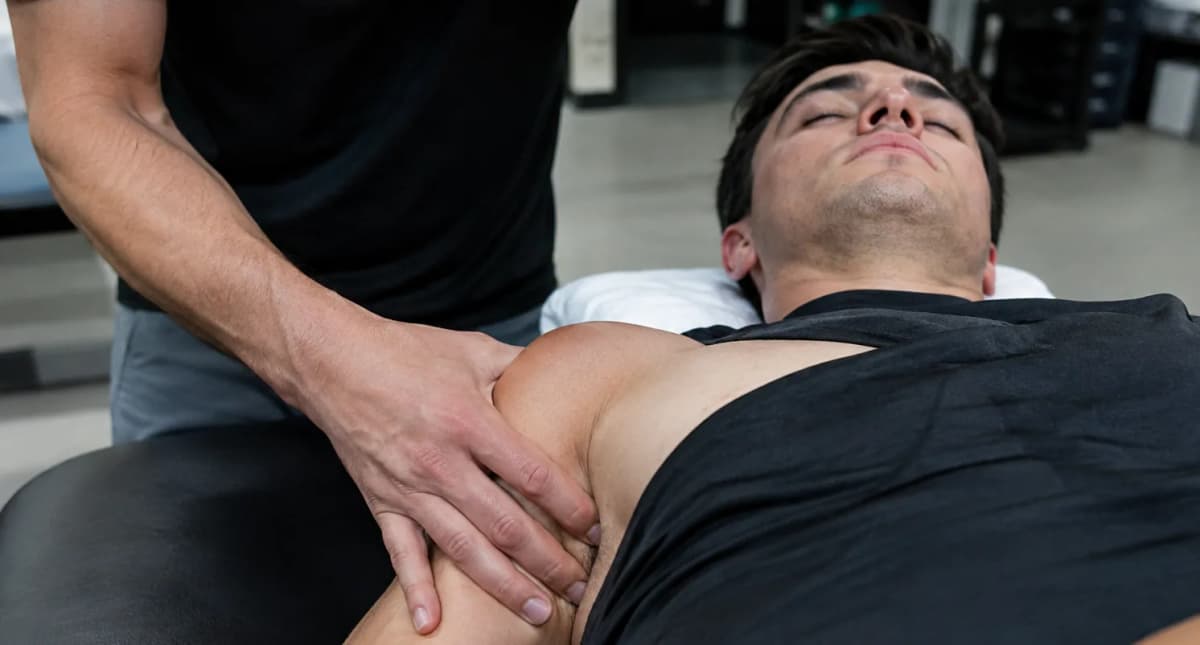
Dry Needling for Throwing Shoulder Pain: Creating a Better Window to Train
Dry needling can reduce pain and guarding in a throwing shoulder, improve motion, and make strength work more productive. We use that response inside a full return-to-throwing plan.
By Jason Modafari