WHEN SHOULD BREAKING BALLS BE ADDED DURING RETURN TO THROWING?
The short version
Breaking balls should return after the pitcher owns fastball volume, intent, command, and recovery. Pitch type is one variable inside the workload, not a date on the calendar.

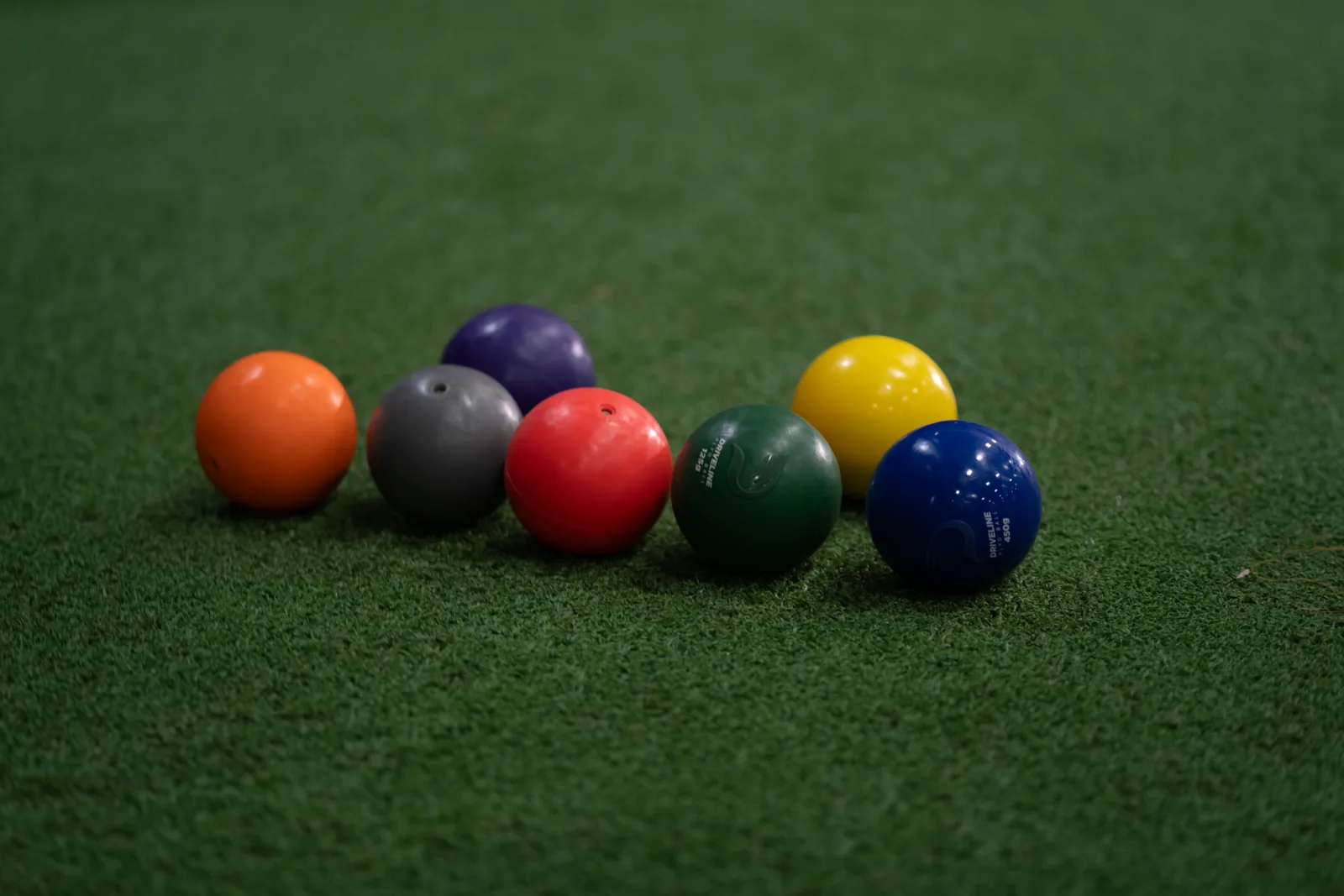
There is no month when every recovering pitcher should start spinning a breaking ball.
The decision depends on age, injury, procedure, surgeon guidance, preinjury repertoire, current command, and how the arm has handled fastball work. The pitch itself matters, but so does the athlete delivering it.
Why Fastballs Usually Come First
Early mound work is easier to interpret when the task is simple. A fastball lets the athlete organize the delivery, target a velocity band, and build command without simultaneously restoring the feel of several grips.
We first want the pitcher to tolerate the planned fastball volume and intensity, recover normally, and repeat the bullpen. Adding pitches before that base is stable creates more variables than useful information.
Breaking Ball Does Not Automatically Mean More Elbow Torque
Biomechanical research has not established that every curveball produces more elbow valgus torque than every fastball. Velocity, delivery, age, fatigue, and individual technique complicate the comparison.
A systematic review of the curveball found that included biomechanical studies did not show higher elbow or shoulder force for curveballs than fastballs, while epidemiologic evidence remained limited. This does not prove that throwing any breaking ball at any age or workload is risk-free. It shows why the decision needs more nuance than a pitch label.
That does not mean pitch type is irrelevant. A pitcher returning after months away may manipulate the hand or alter the delivery while trying to create movement. Poor command can lead to harder, less repeatable efforts. The clinical issue is the whole task, not folklore about one grip.
Fastballs are often thrown harder, and velocity is strongly related to elbow torque. Breaking balls may create different wrist, forearm, and command demands. The individual pitcher's execution matters more than a blanket ranking of pitch names.
For youth athletes, pitch selection also intersects with skeletal maturity, coaching, total volume, and year-round play. A return program should follow age-appropriate rules and avoid using rehab as a fast track to an advanced repertoire.
Criteria Before Adding the Pitch
Useful prerequisites include:
- stable symptoms and motion
- successful fastball bullpens at the current intensity
- acceptable command and repeatable delivery
- no delayed medial elbow or shoulder flare
- adequate recovery before the next session
- clearance consistent with the surgery or injury
Youth pitchers also need age-appropriate coaching and workload decisions. Rehab should not become an excuse to accelerate pitch specialization.
Add One Variable at a Time
Begin with a small number of breaking balls at controlled intent within an otherwise familiar bullpen. Do not add a new pitch, a major velocity jump, and a large pitch-count increase together.
Track the response during the bullpen and the following day. If symptoms emerge, determine whether pitch type, volume, intent, command, or cumulative workload was the more likely driver.
An example progression might introduce five controlled breaking balls inside a familiar fastball bullpen, then hold the total pitch count stable while that number rises. The exact count is individualized. What matters is that the new exposure is visible.
We record how the athlete threw the pitch, not merely that he threw it. A breaking ball that requires obvious guarding or repeated arm-slot changes has not been reintegrated successfully.
What If the Pitch Hurts?
Stop repeatedly testing it at the same dose. Reassess the pain location, grip, intent, recent total workload, and whether symptoms appear on fastballs at comparable effort. A medical reassessment may be needed after surgery or when focal elbow pain returns.
Changing the grip may help when the athlete is forcing a pitch unnaturally, but technique advice should come from a qualified pitching coach and stay coordinated with the medical plan. The therapist's job is to define tolerance and tissue constraints, not redesign the athlete's entire arsenal in isolation.
Build the Full Repertoire Toward Competition
After the first exposure, breaking-ball volume and intent grow gradually. Changeups and other pitches return according to the athlete's repertoire. Live hitters add a new demand because the pitcher begins competing instead of executing a scripted session.
The return-to-throwing process should eventually reproduce the pitch mix and recovery schedule of the athlete's role. Adding a breaking ball is one step. Being able to command it under fatigue, recover, and throw it again in competition is the endpoint.
THE NEXT STEP
See how we progress velocity, volume, pitch mix, mound work, bullpens, and readiness for competition.
Explore Return to ThrowingRELATED POSTS
What Does a UCL Injury Feel Like?
UCL pain is usually felt on the inside of the throwing elbow, but location alone cannot tell you whether the ligament is irritated, partially torn, or the wrong suspect entirely.
 By Dylan Newcomer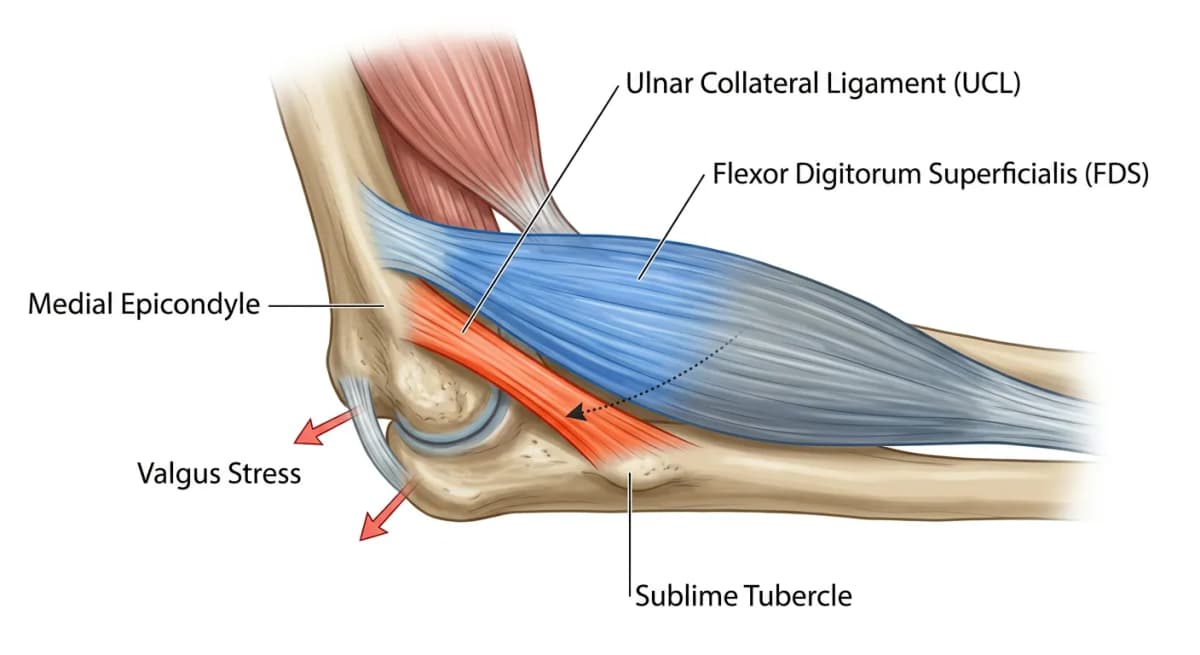
Can a Partial UCL Tear Heal Without Surgery?
Some partial UCL tears can return to high-level throwing without surgery. Tear location, tissue quality, symptoms, timing, and the demands of the athlete all change the answer.
 By Jason Modafari
Dry Needling for Throwing Shoulder Pain: Creating a Better Window to Train
Dry needling can reduce pain and guarding in a throwing shoulder, improve motion, and make strength work more productive. We use that response inside a full return-to-throwing plan.
By Jason Modafari