CAN A PARTIAL UCL TEAR HEAL WITHOUT SURGERY?
The short version
Some partial UCL tears can return to high-level throwing without surgery. Tear location, tissue quality, symptoms, timing, and the demands of the athlete all change the answer.

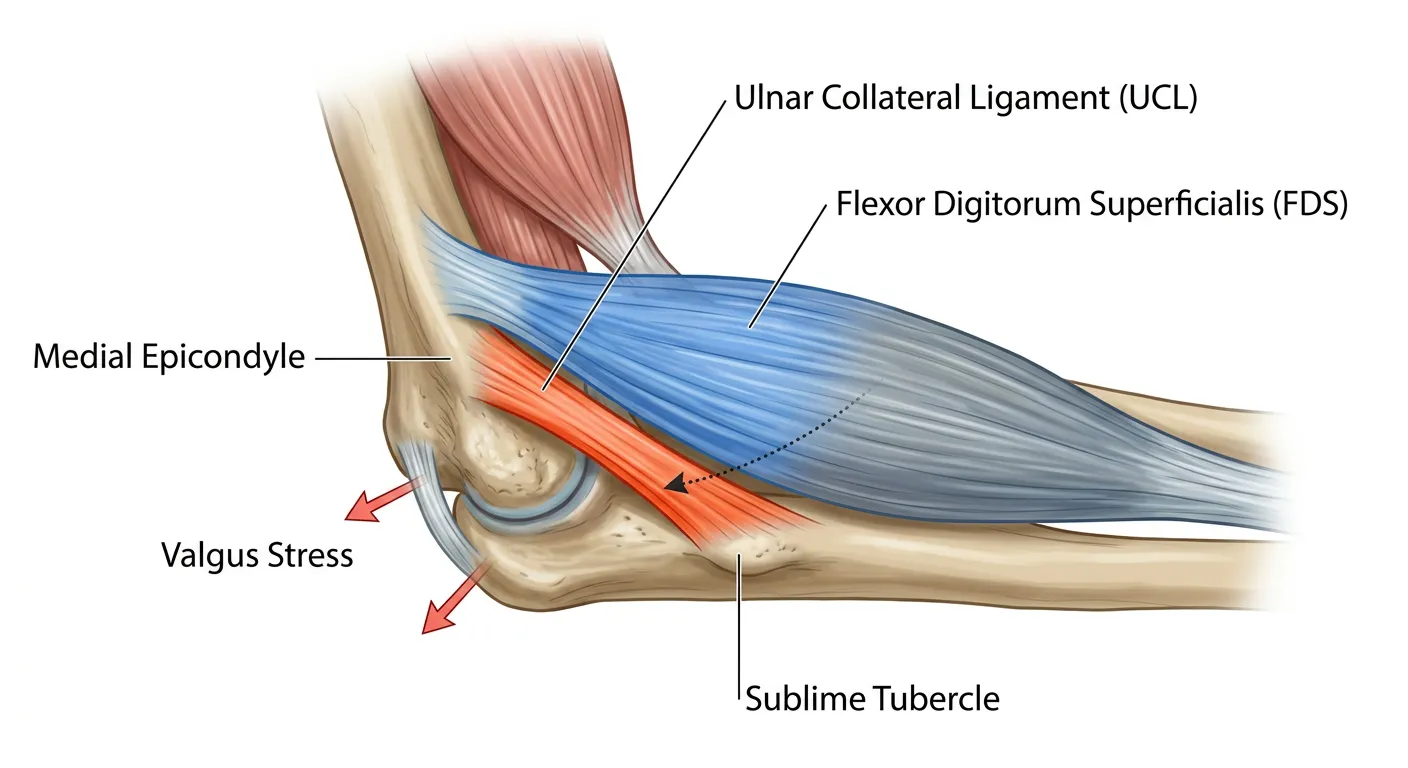
“Partial tear” sounds like a halfway diagnosis. Athletes often hear it and assume the decision must sit halfway between rest and Tommy John surgery.
That is not how UCL injuries behave.
Two pitchers can both have a partial tear on MRI and face very different odds. A proximal injury with usable tissue, improving symptoms, and no instability is not the same problem as a distal tear in a pitcher who cannot tolerate catch play. The image matters. So do the location, exam, season, competitive level, prior injuries, and response to progressive loading.
What Healing Means in a Throwing Athlete
There are at least three versions of “healed”:
- The ligament looks normal on imaging.
- Symptoms settle and the elbow is clinically stable.
- The athlete can repeatedly throw at competitive intensity without symptoms or loss of performance.
The third definition is the one that determines whether a pitcher can do his job. Tissue appearance and sport function do not always change at the same rate. A ligament may retain imaging abnormalities while the athlete performs well, and a quiet elbow at rest may still fail when throwing intensity rises.
Nonoperative rehab therefore aims for more than pain relief. It has to rebuild the system that shares load with the ligament and then prove that system under a carefully controlled throwing progression.
What the Research Says
A 2023 systematic review and meta-analysis found an overall return-to-sport rate of 79.7 percent after nonoperative treatment, with 77.9 percent returning to the same level. Those headline numbers are encouraging, but the subgroup result is more useful: proximal tears had an 89.7 percent return rate, while distal tears returned at 41.2 percent.
That difference is too large to ignore. “Partial” describes how much of the ligament is involved. It does not tell you where the injury sits or how well that pattern tends to respond.
The evidence also has limits. Programs vary, athlete levels vary, and many studies are retrospective. A 2024 review of platelet-rich plasma for partial UCL injuries reported about 75 percent return to sport across five studies, but the authors emphasized heterogeneity and low-quality evidence. PRP may be considered in some cases; it is not a substitute for a well-designed loading and throwing plan.
Who Is More Likely to Try Rehab First?
Nonoperative care is often reasonable when the athlete has a partial or low-grade injury, useful tissue continuity, a favorable tear location, manageable symptoms, and enough time to complete rehab without rushing every decision.
It becomes less attractive when there is a complete tear, clear instability, a poor-quality distal injury, repeated failure of well-run rehab, or performance demands the elbow cannot meet. Age, position, level of play, season timing, and career priorities belong in that conversation.
This is a shared decision. A surgeon may define the structural options. The therapist measures response to loading and throwing. The athlete supplies the risk tolerance and performance goal. Good decisions use all three.
What Nonoperative Rehab Has to Accomplish
A period of rest can reduce irritability. Rest alone does not prepare a ligament for pitching.
The program should restore elbow and shoulder motion without repeatedly provoking the ligament, strengthen the forearm and the rest of the upper extremity, rebuild trunk and lower-body force production, and restore high-rate capacity. The flexor-pronator group deserves specific attention because it contributes dynamic valgus stability. That does not mean squeezing a gripper is enough. Forearm strength after UCL injury must progress from tolerable isometrics to heavy work and then to faster, throwing-relevant force.
Objective testing should answer:
- Is pain stable during daily activity and training?
- Has elbow and shoulder motion returned to an acceptable individual baseline?
- Can the athlete produce force through the wrist, fingers, forearm, shoulder, trunk, and legs?
- Can he tolerate plyometric and deceleration work?
- Does each throwing stage settle normally by the next day?
The nonoperative UCL rehab guide lays out that process in more detail.
The Throwing Program Is the Real Test
Rehab in the weight room creates capacity. Throwing shows whether that capacity transfers.
A return-to-throwing plan usually begins with lower-intensity catch, controlled volume, and sufficient recovery between sessions. Distance, intent, volume, and pitch type should not all rise at once. Symptoms during the session matter, but next-day response is often more revealing.
The athlete has not succeeded because he completed one flat-ground session. He has succeeded when he can tolerate the workload his role requires, recover, and repeat it. For a pitcher, that eventually means higher intent, mound work, bullpens, and game-like recovery cycles. Our return-to-throwing guide explains the full continuum.
Where PRP Fits
PRP gets marketed as if it decides the outcome. Current evidence does not support that level of certainty.
The 2023 meta-analysis found no statistically significant difference in return-to-sport rates between rehabilitation with and without PRP. That does not prove PRP never helps. It means athletes should not mistake an injection for a complete treatment plan, and clinicians should be honest about uncertainty.
If PRP is used, the loading progression still matters. The forearm still needs capacity. Throwing workload still needs control. The athlete still has to pass from “feels better” to “can pitch.”
When Surgery Re-enters the Conversation
Persistent medial elbow pain, inability to progress throwing, recurrent symptoms as intensity rises, or instability despite appropriate rehab should trigger reassessment. Repeat examination or imaging may be appropriate. Depending on the tissue pattern, the surgical discussion may involve UCL repair with an internal brace or reconstruction.
Some partial UCL tears do return without surgery. The honest answer is conditional, not universal. Identify the tear pattern, build the athlete's capacity, and let progressive throwing provide information instead of gambling on time alone.
THE NEXT STEP
See how diagnosis, tissue capacity, medical options, and throwing progression fit together after a UCL injury.
Explore UCL RehabRELATED POSTS
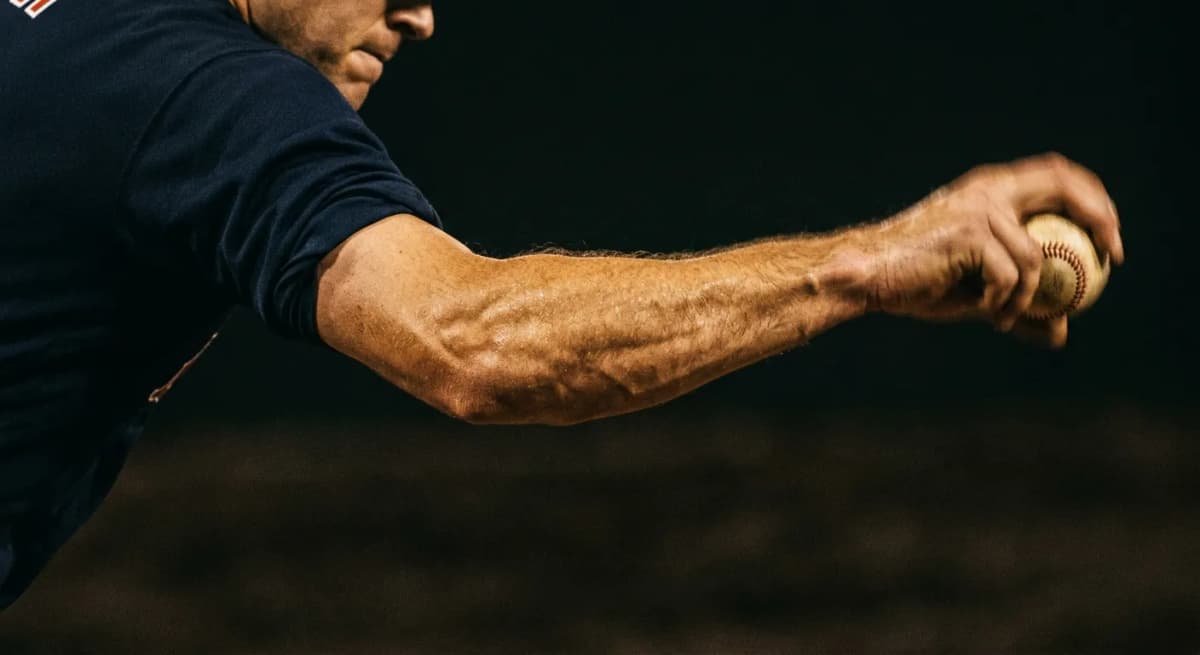
What Does a UCL Injury Feel Like?
UCL pain is usually felt on the inside of the throwing elbow, but location alone cannot tell you whether the ligament is irritated, partially torn, or the wrong suspect entirely.
 By Dylan Newcomer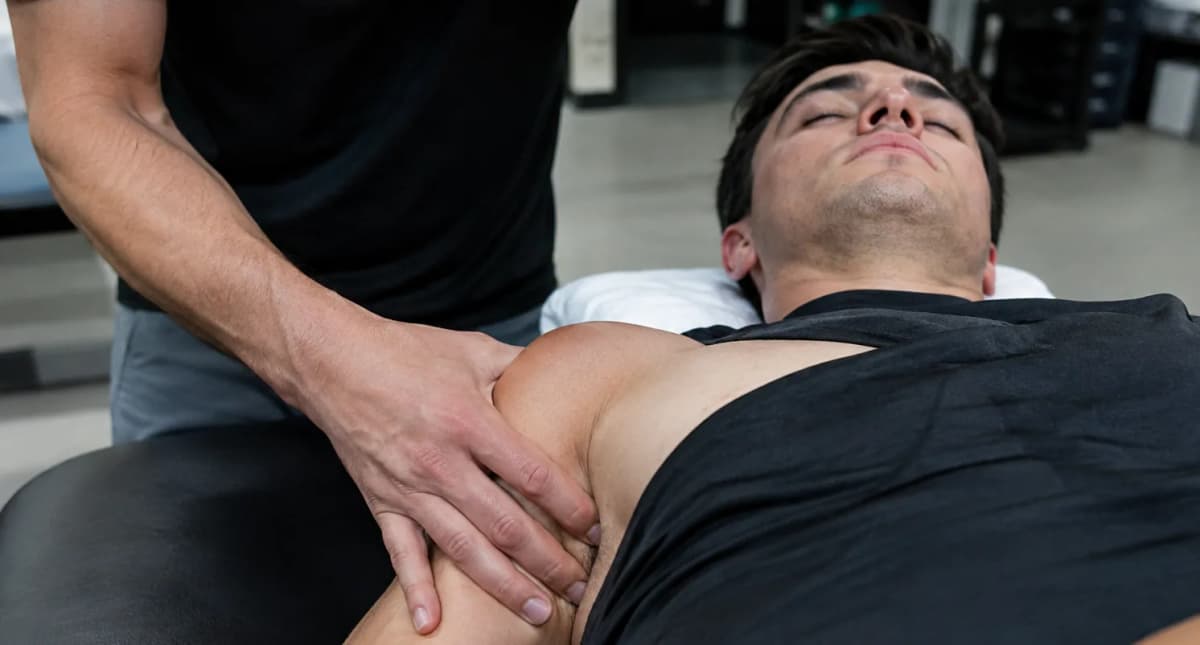
Dry Needling for Throwing Shoulder Pain: Creating a Better Window to Train
Dry needling can reduce pain and guarding in a throwing shoulder, improve motion, and make strength work more productive. We use that response inside a full return-to-throwing plan.
 By Jason Modafari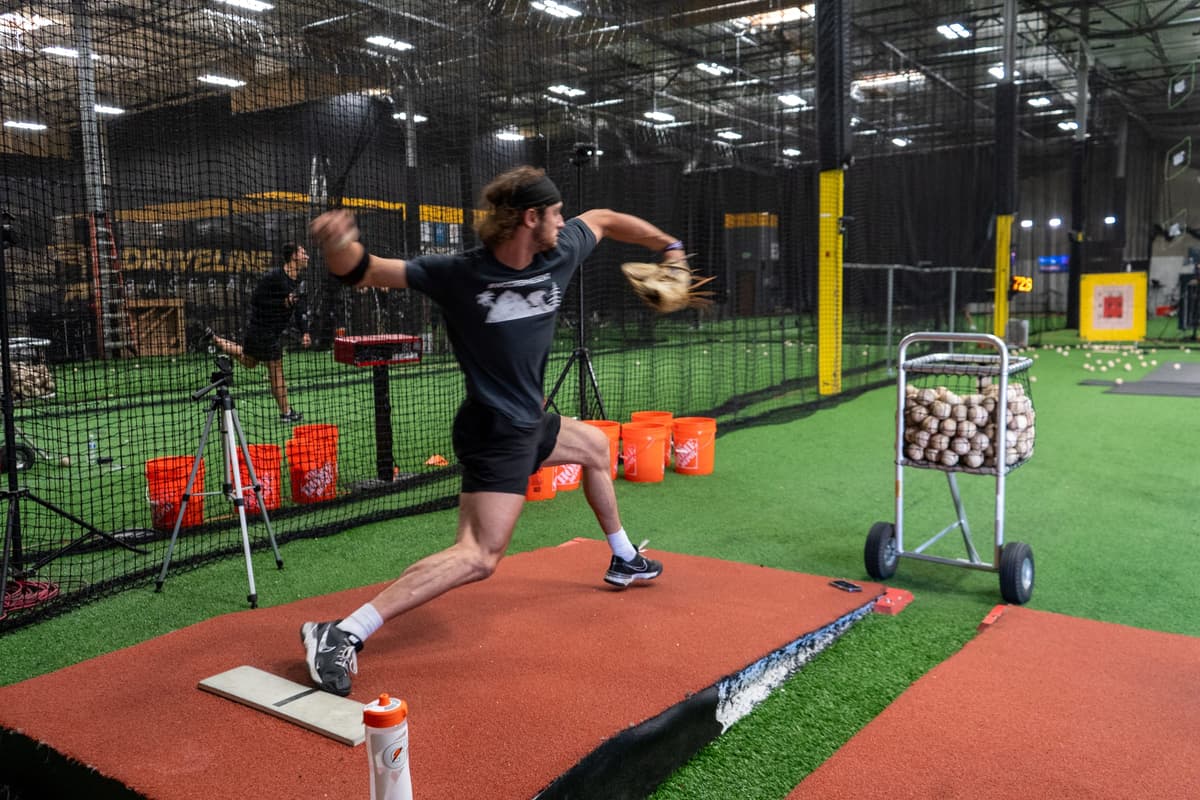
UCL Rehab Without Surgery: What Does It Actually Look Like?
Nonoperative UCL rehab is a criteria-based progression from calming the elbow to heavy strength work, plyometrics, throwing, mound exposure, and proof that the arm can recover.
By Dylan Newcomer