VALGUS EXTENSION OVERLOAD IN PITCHERS: SYMPTOMS, REHAB, AND RETURN TO THROWING
The short version
Posteromedial elbow pain during hard throwing can reflect valgus extension overload. Rehab must address joint irritability, force capacity, throwing load, and associated UCL problems.

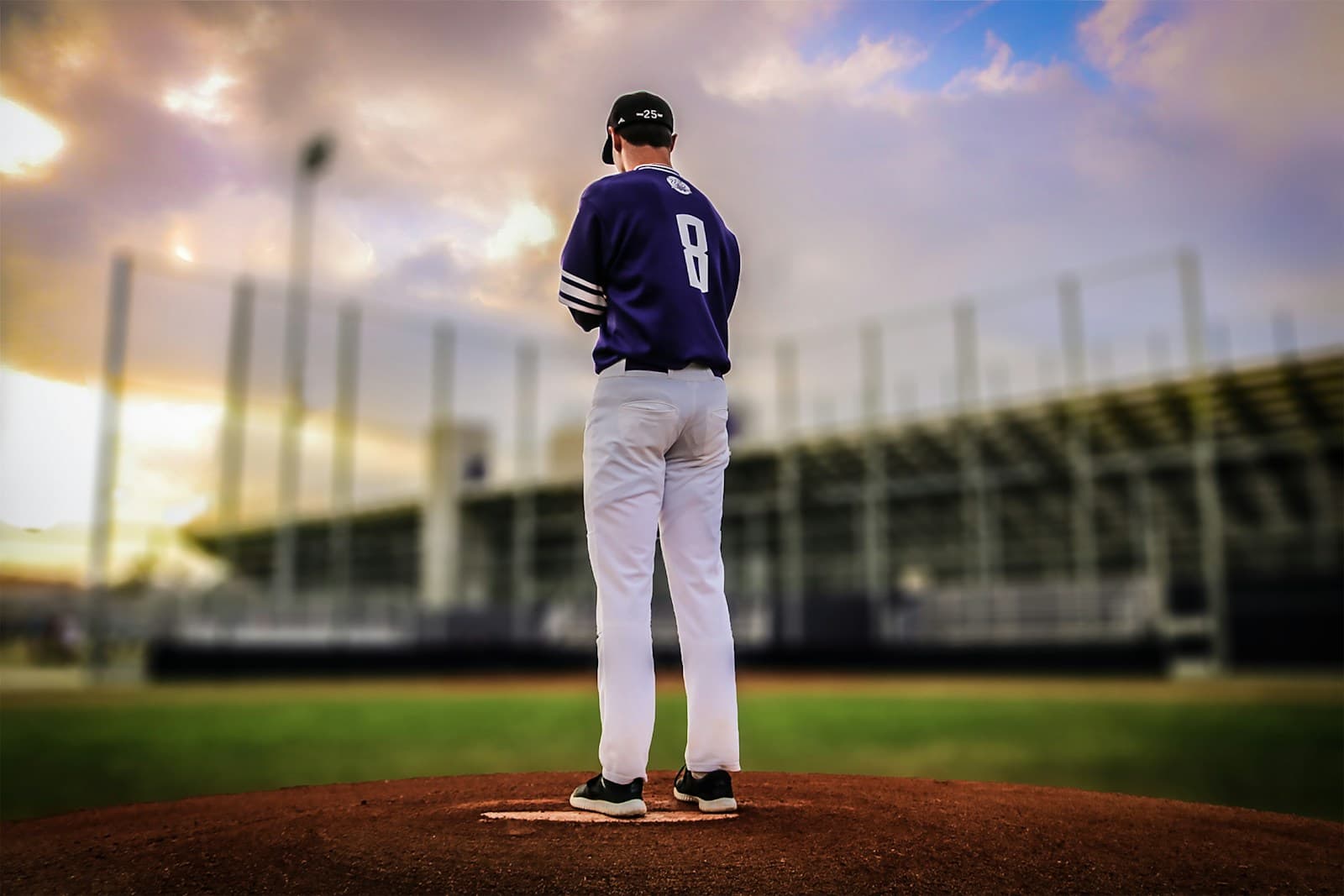
Not all throwing-elbow pain lives on the UCL.
When a pitcher accelerates and extends the elbow at high speed, valgus stress opens the medial side while compressive and shear forces build at the posteromedial joint. Over time, that interaction can irritate bone and cartilage, create osteophytes, or contribute to loose bodies. This pattern is called valgus extension overload, or VEO.
What VEO Usually Feels Like
Athletes often report pain at the back or posteromedial elbow near ball release or terminal extension. The elbow may feel tight after throwing. Some lose extension. Catching, locking, or a hard block can suggest a loose body or bony change.
Symptoms can overlap with UCL insufficiency. If the medial ligament does not control valgus stress well, posteromedial contact may increase. That is why removing a bone spur without evaluating the UCL can miss the underlying driver.
Why Age Changes the Differential
Adolescent elbows are not smaller adult elbows. Open growth plates change which tissues are vulnerable.
A 2024 imaging study of overhead athletes found more apophyseal and stress injuries in younger athletes, while older athletes showed more soft-tissue injury. Pain near extension in a developing player needs age-appropriate imaging and medical judgment when symptoms persist.
How VEO Is Evaluated
The examination looks at the exact pain location, elbow extension, joint irritability, UCL stability, ulnar nerve findings, and force throughout the arm. We ask whether symptoms occur only at high intent and whether workload recently changed.
X-rays can identify osteophytes, loose bodies, or stress changes. MRI or other imaging may be needed when cartilage, ligament, or bone injury is suspected. As a clinical review of VEO describes, diagnosis requires connecting anatomy, throwing mechanics, and symptoms.
The clinician also needs to distinguish true mechanical loss of extension from temporary muscular stiffness after throwing. A hard block, catching, or recurrent swelling raises the level of concern. Reproduction of pain with valgus and extension loading can support the pattern but should not be used in isolation.
The UCL Connection
During throwing, medial tension and posteromedial compression occur together. If the UCL permits excessive valgus opening, the olecranon may contact the posteromedial joint with greater stress. That makes ligament assessment essential even when pain is felt at the back of the elbow.
This relationship also affects surgical planning. Removing an osteophyte without recognizing instability may leave the main driver untreated, while excessive bone removal can create its own problems.
Rehab Is More Than Restoring Extension
For cases appropriate for nonoperative care, the first step is reducing the throwing dose that repeatedly pinches the joint. We restore comfortable motion without forcing an angry end range. Strength work addresses the forearm, elbow, shoulder, trunk, and lower body.
The athlete then progresses into faster arm actions and a structured return to throwing. We monitor whether posterior pain returns as intent and extension velocity rise.
Throwing mechanics may be relevant when a repeatable movement pattern concentrates stress, but there is no universal visual correction that cures VEO. Workload, tissue capacity, and the athlete's individual delivery all belong in the analysis.
Early exercise can maintain lower-body and trunk training while elbow irritability settles. Arm loading progresses through the forearm, elbow, and shoulder before high-rate plyometrics and throwing return. We avoid forcing painful terminal extension simply to create a symmetrical measurement.
Workload Questions Worth Asking
Did pitch volume rise? Did the athlete add high-intent pulldowns, weighted-ball work, or more innings? Has recovery time changed? Is the pain appearing earlier in outings? Has extension been gradually disappearing across the season?
These questions help distinguish a one-session flare from a joint that is becoming progressively less tolerant.
When Surgery Is Considered
Persistent mechanical symptoms, a symptomatic loose body, significant osteophyte, or failure of appropriate rehab may lead to surgical consultation. The UCL must be assessed before surgery because posteromedial changes can coexist with instability.
The 2025 review of non-UCL elbow pathology in throwers places VEO beside olecranon stress injury, osteochondritis dissecans, and ulnar nerve pathology. That is a useful reminder: “back of elbow pain” is not one diagnosis.
Returning to Pitching
The athlete should regain usable motion, force, plyometric tolerance, and symptom-free progressive throwing. Mound work comes after flat-ground intensity is tolerated. Pitch volume and role-specific recovery build gradually.
If pain repeatedly returns at terminal extension, the plan needs reassessment rather than another round of symptom relief.
Athletic Potential treats throwing-related elbow pain in Kent, Washington and Tampa, Florida, and coordinates imaging or surgical review when the presentation calls for it.
THE NEXT STEP
Compare the major causes of throwing-elbow pain and see how testing guides treatment and return to play.
Explore Throwing Elbow RehabRELATED POSTS
What Does a UCL Injury Feel Like?
UCL pain is usually felt on the inside of the throwing elbow, but location alone cannot tell you whether the ligament is irritated, partially torn, or the wrong suspect entirely.
 By Dylan Newcomer
Can a Partial UCL Tear Heal Without Surgery?
Some partial UCL tears can return to high-level throwing without surgery. Tear location, tissue quality, symptoms, timing, and the demands of the athlete all change the answer.
 By Jason Modafari
Dry Needling for Throwing Shoulder Pain: Creating a Better Window to Train
Dry needling can reduce pain and guarding in a throwing shoulder, improve motion, and make strength work more productive. We use that response inside a full return-to-throwing plan.
By Jason Modafari