WHY BEING CLEARED TO THROW IS NOT THE SAME AS BEING READY TO PITCH
The short version
Medical clearance opens the door to throwing. Pitching readiness requires velocity, command, workload tolerance, recovery, a full pitch mix, and exposure to competition demands.

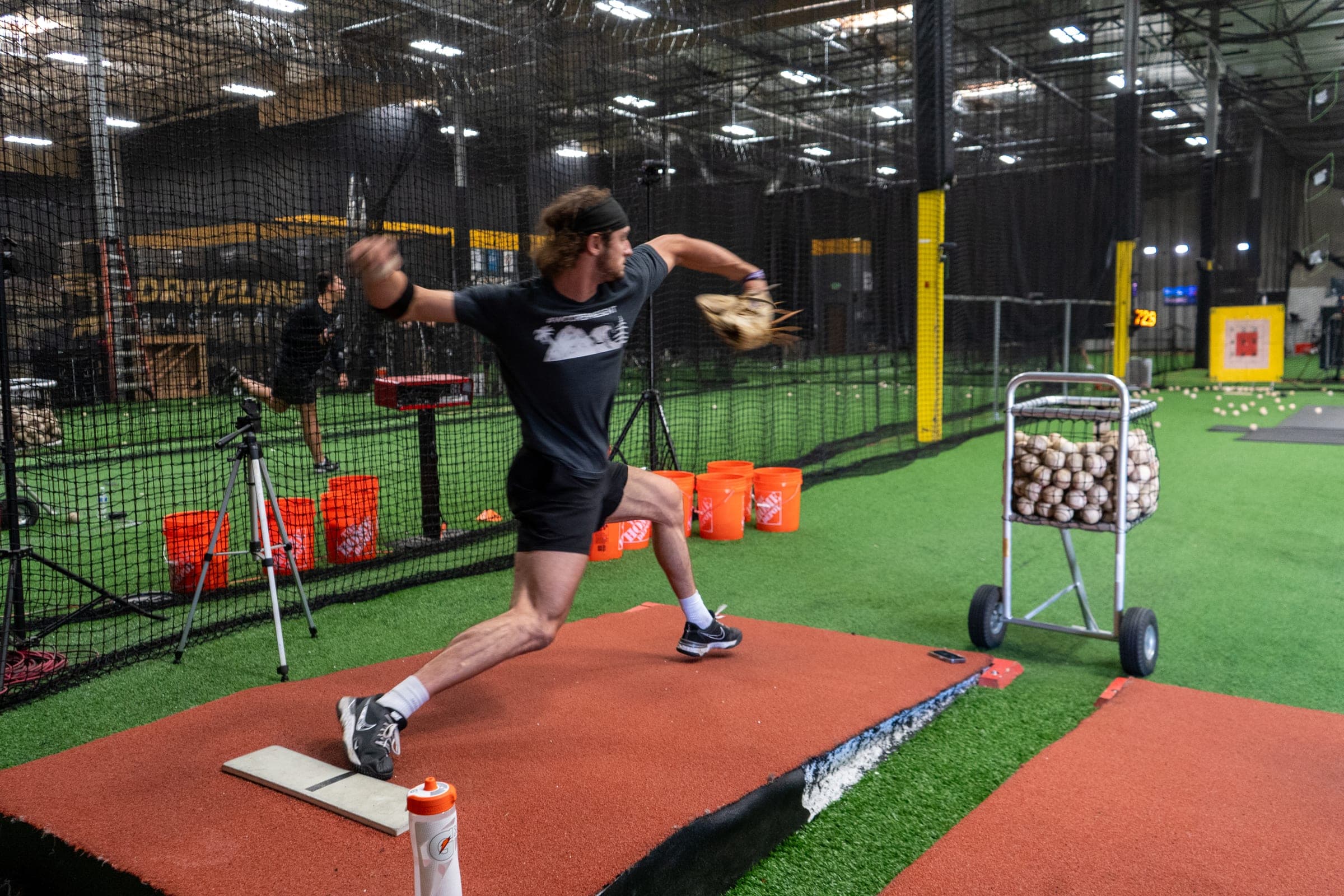
“Cleared to throw” is one of the most misunderstood phrases in baseball rehab.
It usually means the healing tissue can begin a controlled throwing progression. Athletes and teams sometimes hear it as permission to resume practice. Those are not the same thing.
Clearance Answers a Medical Question
After surgery or a significant injury, the physician determines whether healing has progressed enough for a new stress. That decision considers time, examination, imaging when needed, and the procedure.
It does not prove that the athlete has restored months of lost strength or throwing workload. It does not establish command, velocity, or recovery between outings.
Throwing Begins With Low Demands
Early catch play uses low volume and low intent. The athlete builds distance and speed gradually, usually with rest days between sessions. This stage asks whether the arm can accept a small throwing dose and recover.
Pitching asks for much more: higher intent, mound slope, precise targets, multiple pitch types, warm-ups, holding runners, fielding, and competition stress.
A 2023 systematic review of interval-throwing biomechanics found that these programs progressively increase elbow torque toward full-effort pitching, but flat-ground and mound mechanics are not identical. That is exactly why completion of early catch play cannot stand in for pitching readiness.
Readiness Has Several Layers
A pitcher moving toward competition should demonstrate:
- appropriate tissue healing and medical clearance
- usable elbow and shoulder motion
- sufficient forearm, arm, trunk, and lower-body force
- tolerance of plyometric and high-rate work
- progressive throwing velocity and volume
- mound and bullpen capacity
- command and a functional pitch mix
- recovery that fits the intended role
- exposure to hitters and game-like decisions
One layer cannot stand in for all the others.
The Workload Gap Is Usually the Largest
An athlete may feel excellent after 20 controlled throws. A starter might need well over 100 total throws when warm-up, between-inning pitches, and game pitches are counted. A reliever may need to get hot quickly or pitch on tighter rest.
The program must narrow that gap deliberately. Otherwise the first competitive outing becomes a workload experiment.
Warm-up throws count. So do flat-ground pitches between mound innings, pickoff work, defensive throws, and the throws an athlete makes because practice ran long. A written plan that tracks only official bullpen pitches can underestimate the real stress substantially.
Command Is a Readiness Measure
Command is not purely a coaching concern. An athlete who cannot repeat the delivery at a planned velocity may not have the coordination, confidence, or physical capacity for that dose.
We do not expect perfect location early. We do want command to improve as exposure grows. A sudden decline paired with pain or fatigue is a reason to inspect the workload rather than simply cue harder.
Return to Competition Needs a Role Plan
A starter, reliever, catcher, and shortstop return to different throwing jobs. Starters need inning volume and recovery. Relievers may need high intent on variable schedules. Catchers repeatedly throw from the squat and position players produce unplanned high-intent throws from different footwork.
The final progression should reproduce the role closely enough that competition is not the first time the athlete experiences its demand.
Confidence Should Follow Evidence
Some athletes are physically prepared but afraid to let the ball go. Others feel completely confident before their capacity has returned. Neither emotion should be dismissed, and neither should decide alone.
Objective force, radar velocity, workload records, command, symptom response, and recovery give confidence something concrete to rest on.
Return to Play Is Not Return to Performance
Studies after UCL reconstruction often report a higher rate of return to any play than return to the same competitive level. A review of UCL reconstruction outcomes found that return to prior level typically took longer and remained less certain than simply appearing again.
That distinction applies beyond elbow surgery. An athlete can participate before he is ready to perform his old role.
Our return-to-throwing guide covers the full progression, and the baseball physical therapy program connects that progression to strength, workload, and return to competition. Clearance opens the process. Readiness completes it.
THE NEXT STEP
See how we progress velocity, volume, pitch mix, mound work, bullpens, and readiness for competition.
Explore Return to ThrowingRELATED POSTS
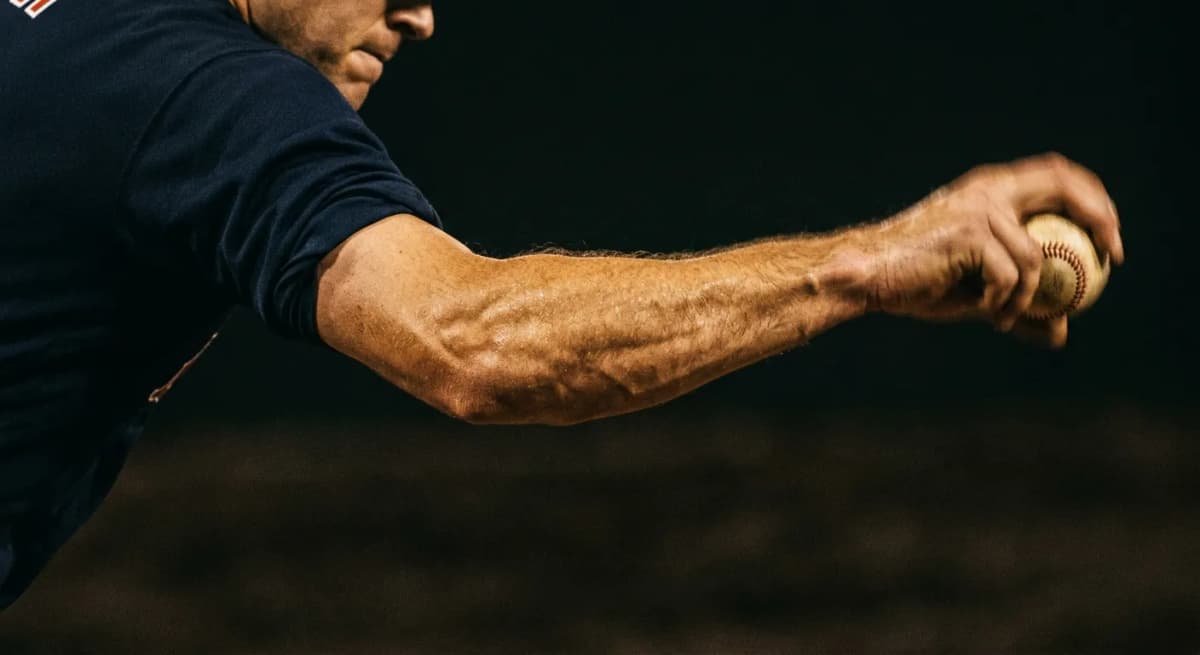
What Does a UCL Injury Feel Like?
UCL pain is usually felt on the inside of the throwing elbow, but location alone cannot tell you whether the ligament is irritated, partially torn, or the wrong suspect entirely.
 By Dylan Newcomer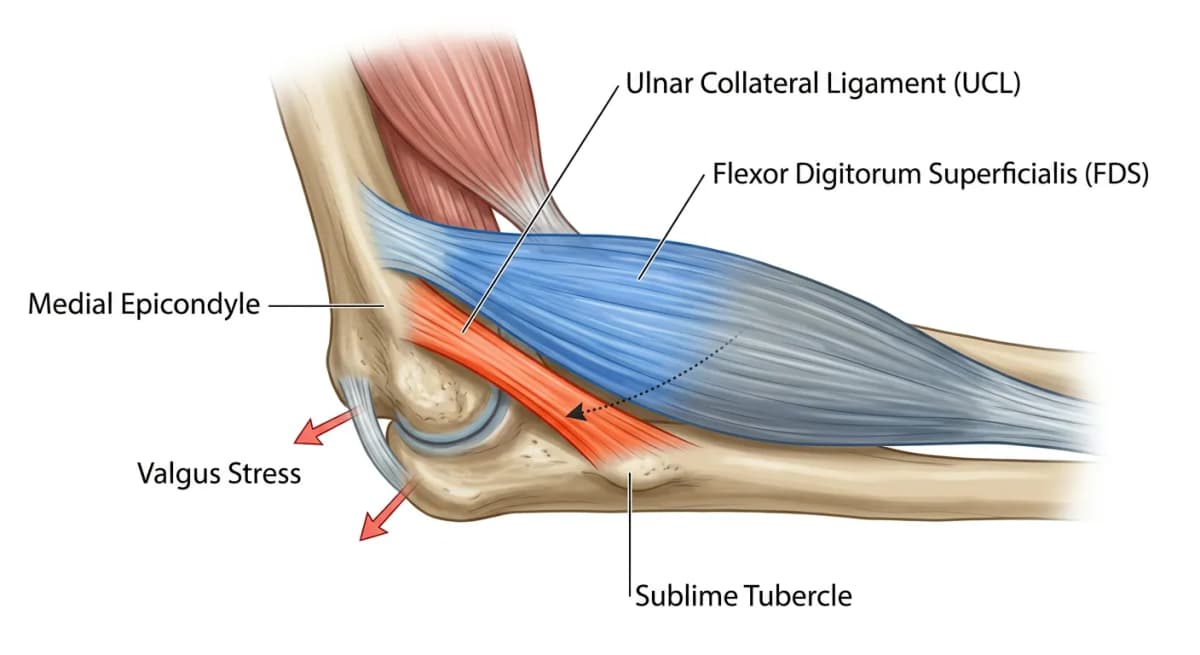
Can a Partial UCL Tear Heal Without Surgery?
Some partial UCL tears can return to high-level throwing without surgery. Tear location, tissue quality, symptoms, timing, and the demands of the athlete all change the answer.
 By Jason Modafari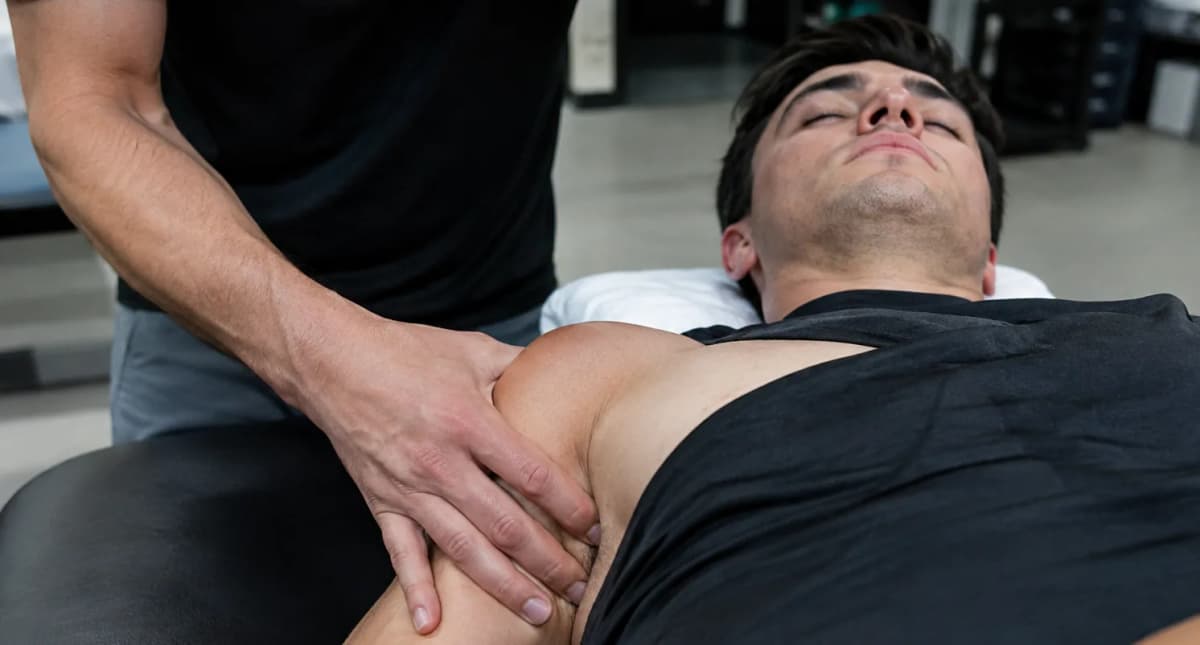
Dry Needling for Throwing Shoulder Pain: Creating a Better Window to Train
Dry needling can reduce pain and guarding in a throwing shoulder, improve motion, and make strength work more productive. We use that response inside a full return-to-throwing plan.
By Jason Modafari