ULNAR NERVE SUBLUXATION IN BASEBALL PLAYERS: WHAT IS THAT SNAPPING ELBOW?
The short version
A snapping ulnar nerve can be painless or irritating. Tingling, burning, weakness, and throwing-related symptoms matter more than movement of the nerve by itself.

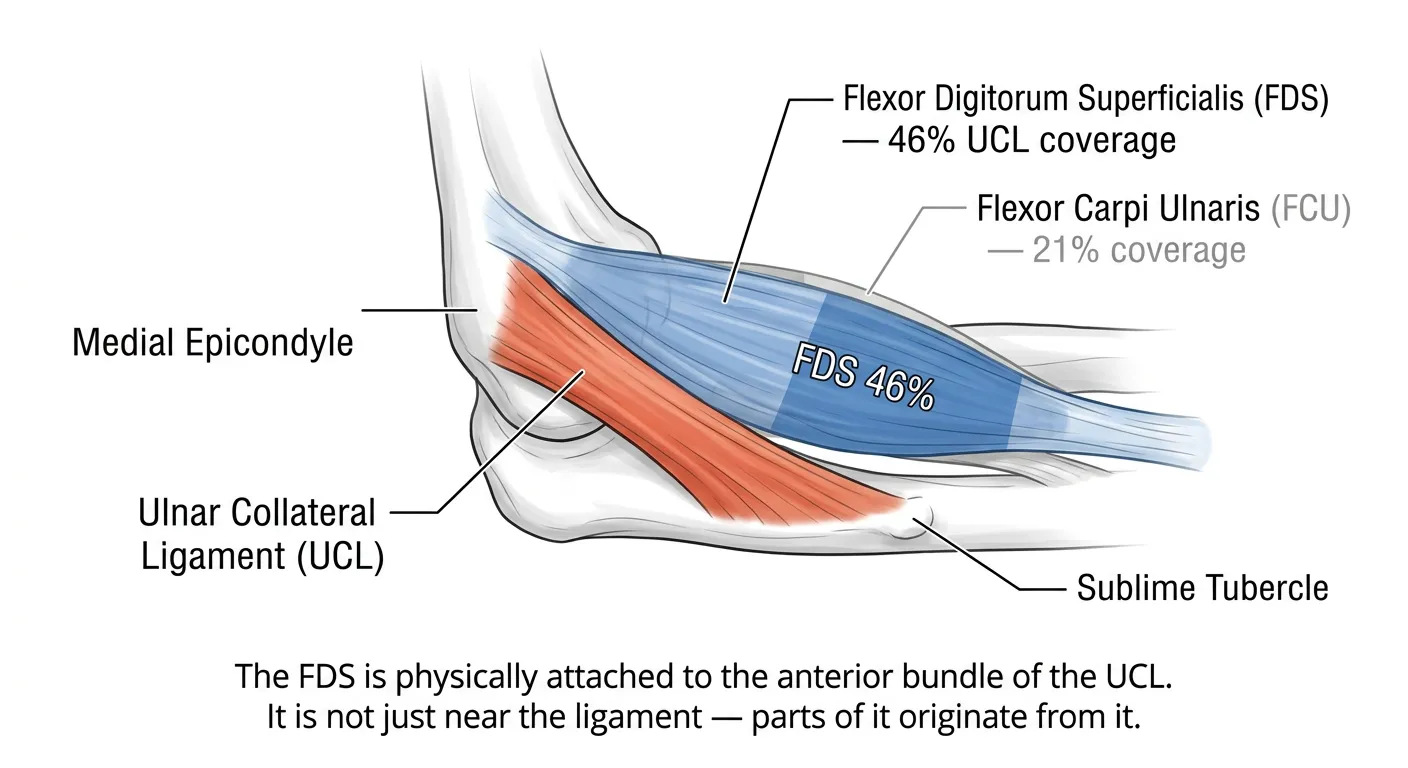
A pitcher bends his elbow and feels a cord snap over the bone on the inside. It may be the ulnar nerve moving out of its groove. It may also be part of the triceps snapping. Either can feel alarming.
Movement does not automatically mean damage. Symptoms and function decide whether it matters.
What the Ulnar Nerve Does
The ulnar nerve passes behind the medial epicondyle, the bony point commonly called the funny bone. It supplies sensation to the small finger and part of the ring finger and contributes to hand muscle function.
With subluxation, the nerve moves toward or over the medial epicondyle as the elbow bends, then returns as the elbow straightens. A review of ulnar nerve instability noted that this can cause neuritis or neuropathy, but the relationship between movement and symptoms is not simple.
Symptoms That Make the Snap Relevant
We care more when snapping occurs with:
- tingling or numbness in the ring and small fingers
- burning or electric pain along the medial elbow
- hand weakness or loss of fine control
- symptoms that worsen during throwing
- persistent tenderness over the nerve
- a decline in performance or tolerance
A painless snap that has been present for years may need monitoring rather than treatment. A new snap with neurologic symptoms deserves evaluation.
Why Throwers Need a Broader Elbow Exam
Ulnar nerve problems can occur beside UCL insufficiency, flexor-pronator pain, or valgus extension overload. The nerve may be the main issue, a secondary victim of altered elbow mechanics, or an incidental finding.
We assess sensation, hand strength, nerve irritability, elbow motion, and dynamic movement of the nerve. We also test the UCL and surrounding muscles. Dynamic ultrasound can be useful because the nerve moves during the test rather than being captured in one position.
A 2025 review of non-UCL elbow pathology in throwers emphasizes that ulnar nerve conditions belong to a broader spectrum of throwing-elbow problems. Treating every medial symptom as a ligament tear misses that spectrum.
Subluxation, Irritation, and Neuropathy Are Different Findings
Subluxation describes movement. Neuritis describes an irritated nerve. Neuropathy implies impaired nerve function. An athlete can have movement without symptoms, irritation without measurable weakness, or progressive neurologic loss that needs urgent attention.
The examination therefore includes sensation, finger spreading and grip-related muscle function, provocation tests, and comparison with the other side. Visible hand-muscle wasting or progressive weakness is not a “wait and see” finding.
Dynamic Ultrasound and Other Testing
Dynamic ultrasound can show the nerve crossing the medial epicondyle as the elbow bends. It may also distinguish a moving nerve from a snapping portion of the triceps. Electrodiagnostic testing can be useful when persistent numbness or weakness raises concern for nerve dysfunction, although early or intermittent symptoms may not always produce a clear abnormality.
Imaging and testing are selected to answer a clinical question. Finding a moving nerve on ultrasound does not prove it causes the pain.
Can Rehab Help?
When symptoms are mild and there is no progressive weakness, care may include workload modification, reducing provocative compression or tension, restoring motion, strengthening the arm and trunk, and gradually rebuilding throwing.
Nerve-gliding drills can be appropriate in some cases, but aggressive stretching of an irritable nerve often makes it angrier. The dosage should change symptoms for the better, not merely feel like something is being done.
If significant instability, persistent neurologic symptoms, weakness, or associated structural injury remains, an orthopedic opinion is appropriate. Surgical decisions depend on the full pathology, not the presence of a snap alone.
Throwing volume and elbow-flexion exposure outside baseball also matter. Long periods leaning on the elbow or sleeping in deep flexion can irritate the nerve in some people. We modify the relevant stress without turning the athlete's life into a list of prohibitions.
The return to throwing begins below the dose that produces neurologic symptoms and progresses while hand function and recovery remain stable. Tingling that appears earlier in each successive session is a reason to stop advancing.
The Takeaway
A moving ulnar nerve is a finding. Pain, neurologic change, and loss of throwing function make it a problem.
If snapping occurs with inside-elbow pain, use a complete baseball elbow evaluation to separate nerve, ligament, muscle, and joint contributions. The safest plan follows the symptomatic tissue and the demands of the athlete, not the sound alone.
THE NEXT STEP
Compare the major causes of throwing-elbow pain and see how testing guides treatment and return to play.
Explore Throwing Elbow RehabRELATED POSTS
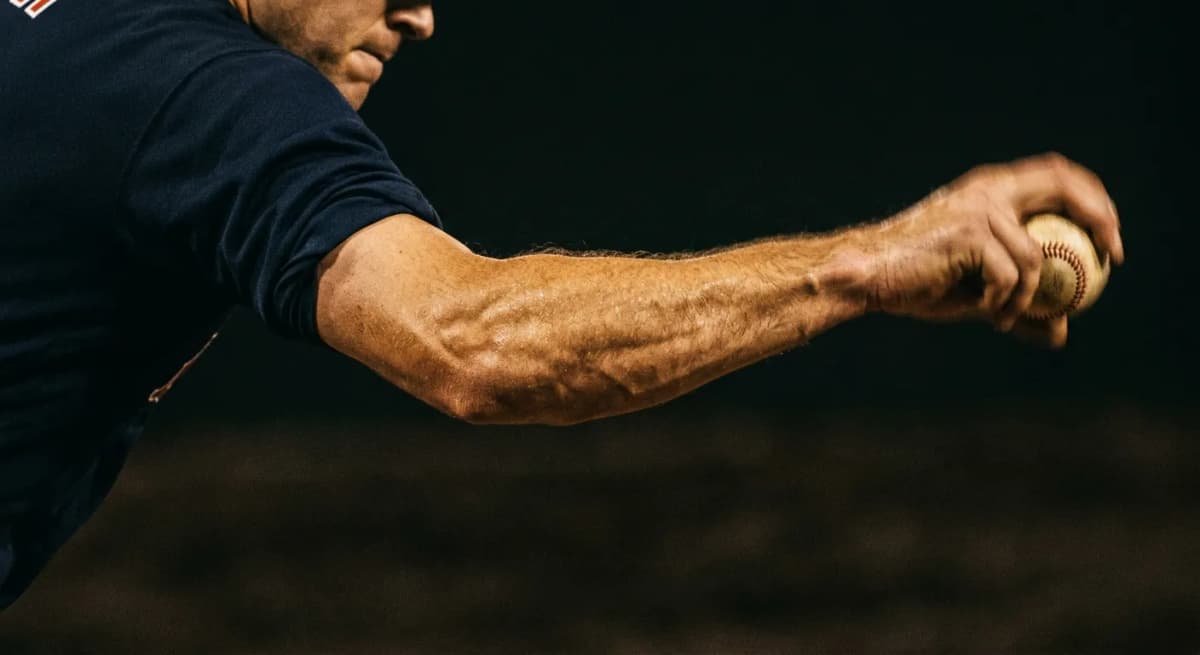
What Does a UCL Injury Feel Like?
UCL pain is usually felt on the inside of the throwing elbow, but location alone cannot tell you whether the ligament is irritated, partially torn, or the wrong suspect entirely.
 By Dylan Newcomer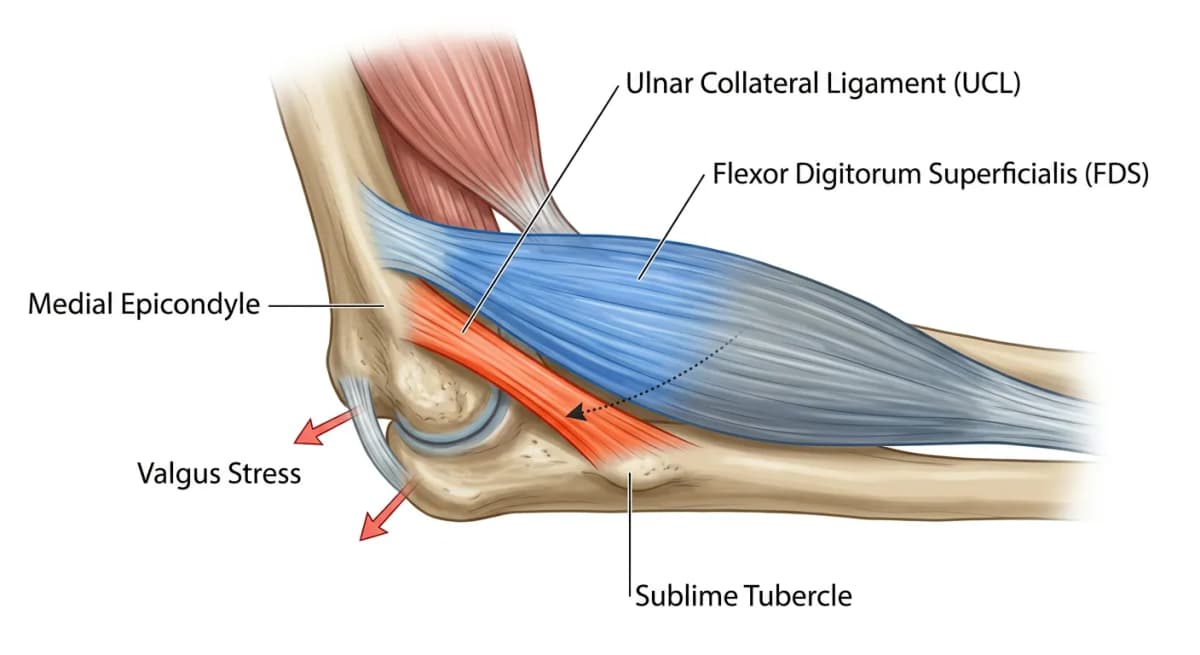
Can a Partial UCL Tear Heal Without Surgery?
Some partial UCL tears can return to high-level throwing without surgery. Tear location, tissue quality, symptoms, timing, and the demands of the athlete all change the answer.
 By Jason Modafari
Dry Needling for Throwing Shoulder Pain: Creating a Better Window to Train
Dry needling can reduce pain and guarding in a throwing shoulder, improve motion, and make strength work more productive. We use that response inside a full return-to-throwing plan.
By Jason Modafari