INTERNAL BRACE VS TOMMY JOHN SURGERY: WHAT CHANGES IN REHAB?
The short version
UCL repair with an internal brace can move faster than reconstruction in selected injuries, but it is not a shortcut for every thrower. Tissue pattern and quality determine the operation.

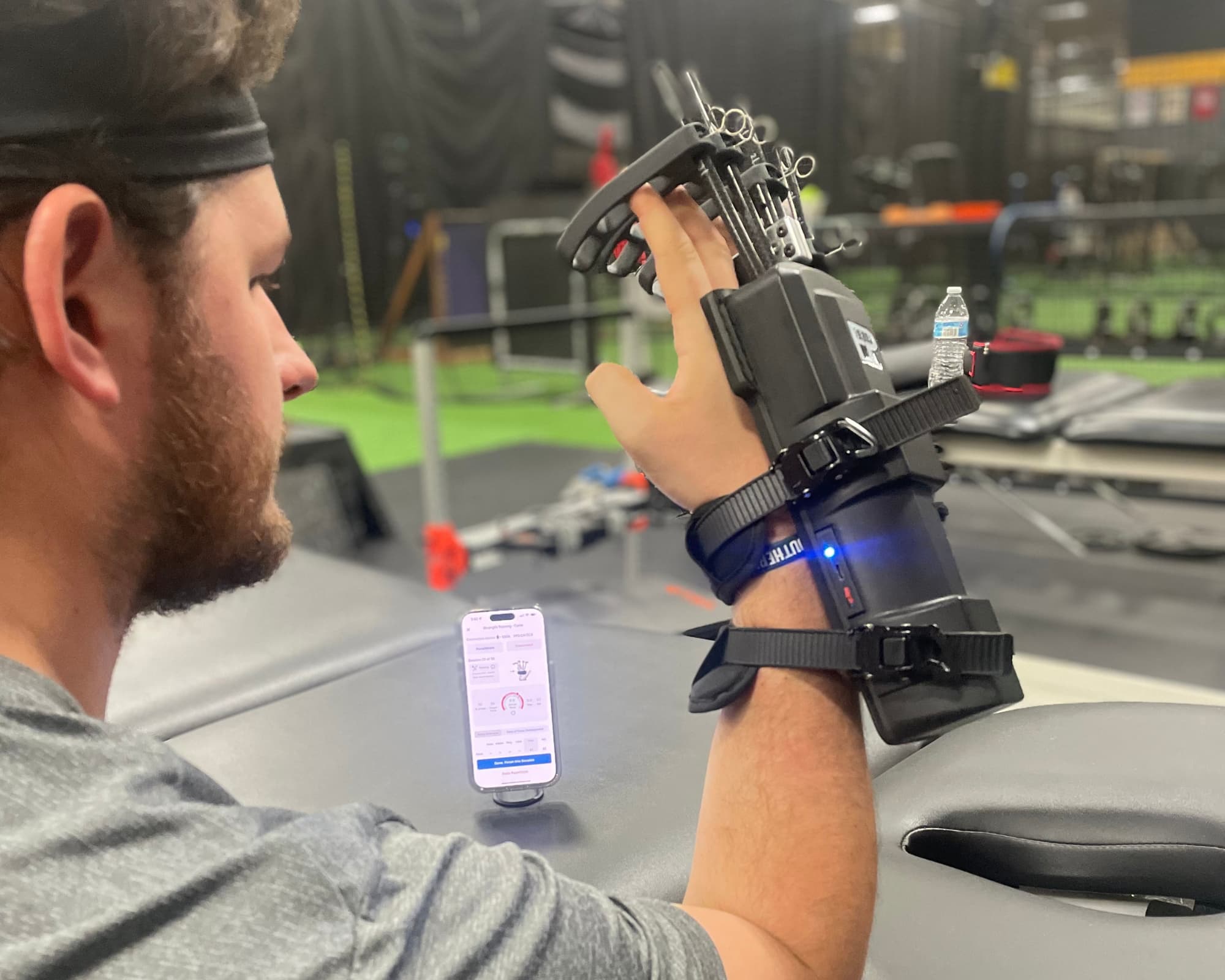
“Internal brace” is often discussed as faster Tommy John surgery. That description misses the central issue.
Traditional Tommy John surgery reconstructs the damaged UCL with a tendon graft. Internal-brace surgery typically repairs the athlete's native ligament and reinforces it with suture tape. One replaces a ligament that cannot be reliably repaired. The other depends on having tissue worth repairing.
The right question is not which procedure has the shorter timeline. It is which procedure fits the injury.
Reconstruction: Building a New Ligament
UCL reconstruction uses a tendon graft routed through the ulna and humerus to recreate ligament function. It remains the established option for midsubstance tears, chronic attritional damage, poor tissue quality, and patterns that cannot be repaired reliably.
The graft has to incorporate and remodel. Rehab protects that biology while restoring motion, strength, throwing capacity, and pitching workload. Return to competition commonly extends beyond a year. In a systematic review of baseball pitchers, return to competition averaged 17.3 months for MLB pitchers.
The month-by-month Tommy John timeline gives a practical picture of that process.
Repair With Internal Brace: Preserving Native Tissue
A repair brings the torn ligament back to its attachment and reinforces it. This is most relevant for selected proximal or distal avulsion-type tears with good tissue quality. It is generally less suitable for a chronically thinned or shredded ligament.
Because the native ligament is repaired rather than reconstructed with a graft, the biological and mechanical constraints differ. Motion and strengthening may progress faster, and throwing may begin earlier under the surgeon's protocol.
That faster potential is real. It is also based on a more selective patient group and a smaller evidence base.
What Outcomes Do We Have?
A 2024 study of professional baseball players reported return after primary UCL repair with internal brace, but the sample was small: 11 pitchers and seven position players. Four of five MLB pitchers returned at an average of 9.55 months; minor-league pitchers returned at an average of 17.5 months. Those differences show why a single marketed timeline can mislead.
Newer reports in young athletes are encouraging, including a 2026 series of carefully selected student baseball players in which all 18 returned to play. Small observational studies can support an option. They cannot tell every athlete what will happen.
How Rehab Differs
Both procedures still require the same broad jobs:
- protect healing tissue
- restore elbow and shoulder motion
- rebuild forearm, arm, trunk, and lower-body strength
- introduce speed and plyometrics
- progress catch play, high-intent throwing, mound work, and competition
The internal-brace timeline may compress the early and middle phases. It does not eliminate them. Athletes still need adequate force, workload tolerance, command, and recovery before pitching.
Reconstruction usually requires a longer protection and throwing timeline because a graft must mature. The individual surgeon's protocol takes priority, especially when other procedures were performed.
Faster Healing Does Not Automatically Mean Ready to Pitch
An elbow can be surgically cleared while the athlete remains underprepared.
The athlete may have lost lower-body strength, shoulder force, forearm capacity, or months of throwing workload. A repair that permits earlier throwing does not recreate those qualities overnight. Being cleared to throw is not the same as being ready to pitch.
This is where criteria matter. We want stable motion and symptoms, force measures that fit the athlete, tolerance of fast arm work, progressive velocity, and normal recovery across repeated throwing sessions.
Who Decides Which Surgery Fits?
The surgeon makes the operative recommendation after reviewing the injury pattern, tissue quality, athlete history, examination, and goals. Athletes should ask what the tissue looked like, why repair or reconstruction is recommended, what associated procedures are expected, and how the rehab timeline changes.
A second opinion can be reasonable for a major career decision. The goal is not to shop for the fastest promise. It is to understand the tradeoff.
The Bottom Line
Internal brace repair can offer a faster path for selected UCL tears with repairable tissue. Tommy John reconstruction remains appropriate when the ligament cannot be preserved. Neither operation replaces complete rehabilitation.
Athletic Potential works with athletes through both pathways using baseball-specific physical therapy, objective strength work, and a structured return to throwing in Kent, Washington and Tampa, Florida.
THE NEXT STEP
Follow the complete path from postoperative protection through strength, throwing, mound work, and competition.
Explore Tommy John RehabRELATED POSTS
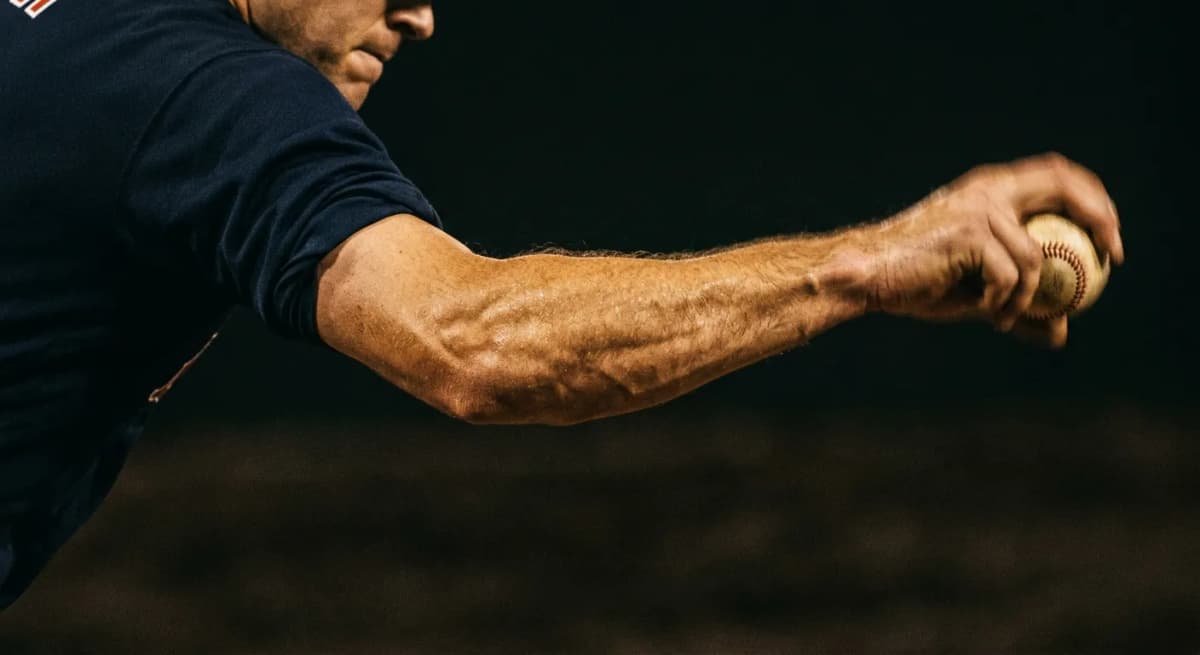
What Does a UCL Injury Feel Like?
UCL pain is usually felt on the inside of the throwing elbow, but location alone cannot tell you whether the ligament is irritated, partially torn, or the wrong suspect entirely.
 By Dylan Newcomer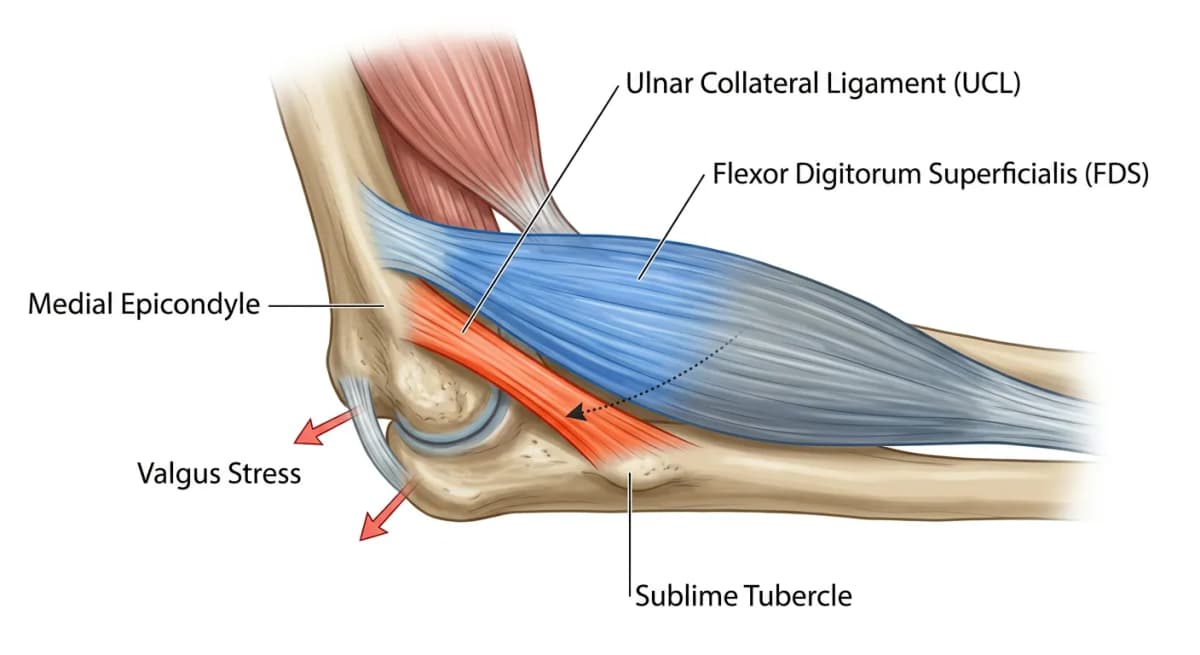
Can a Partial UCL Tear Heal Without Surgery?
Some partial UCL tears can return to high-level throwing without surgery. Tear location, tissue quality, symptoms, timing, and the demands of the athlete all change the answer.
 By Jason Modafari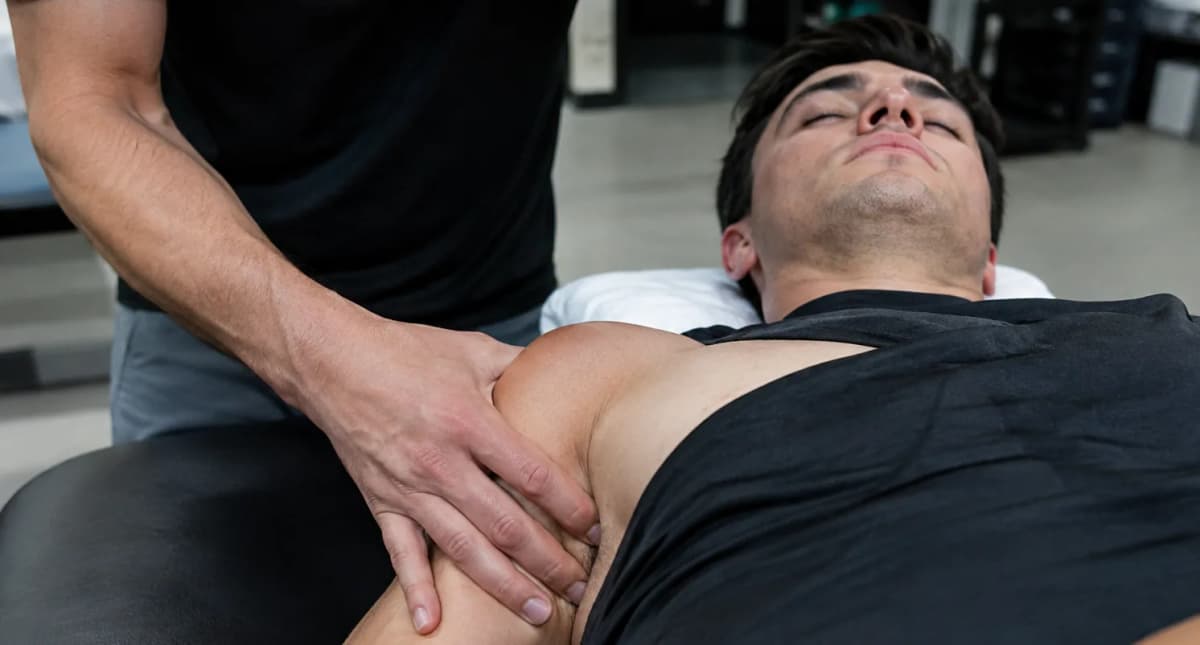
Dry Needling for Throwing Shoulder Pain: Creating a Better Window to Train
Dry needling can reduce pain and guarding in a throwing shoulder, improve motion, and make strength work more productive. We use that response inside a full return-to-throwing plan.
By Jason Modafari