THE BLOG
Insights on sports physical therapy, injury rehab, and performance training from the Athletic Potential PT team.
Articles 1 to 9 of 50
Back Pain and Spinal Movement: Getting Back to Training
Back rehab should help you tolerate the movements your life and sport require. Here is how movement, strength, and gradual exposure can fit together.
 By Dylan Newcomer
Isometric Exercises for Tendon Pain: Where They Fit
Isometric holds can be one part of tendon rehab. Learn what they can and cannot do, how they differ from rest, and why progressive loading still matters.
By Dylan NewcomerStrength Training for Multi-Sport Athletes: Build One Weekly Plan
Two sports should not mean two disconnected strength plans. Coordinate practices, games, lifting, and recovery around the athlete's actual week.
By Dylan NewcomerWorkload, Fatigue, and Pain: What to Track Before Adding More
Training numbers are useful, but they do not tell the whole story. Combine workload, recovery, symptoms, and performance when adjusting a rehab or throwing plan.
By Dylan Newcomer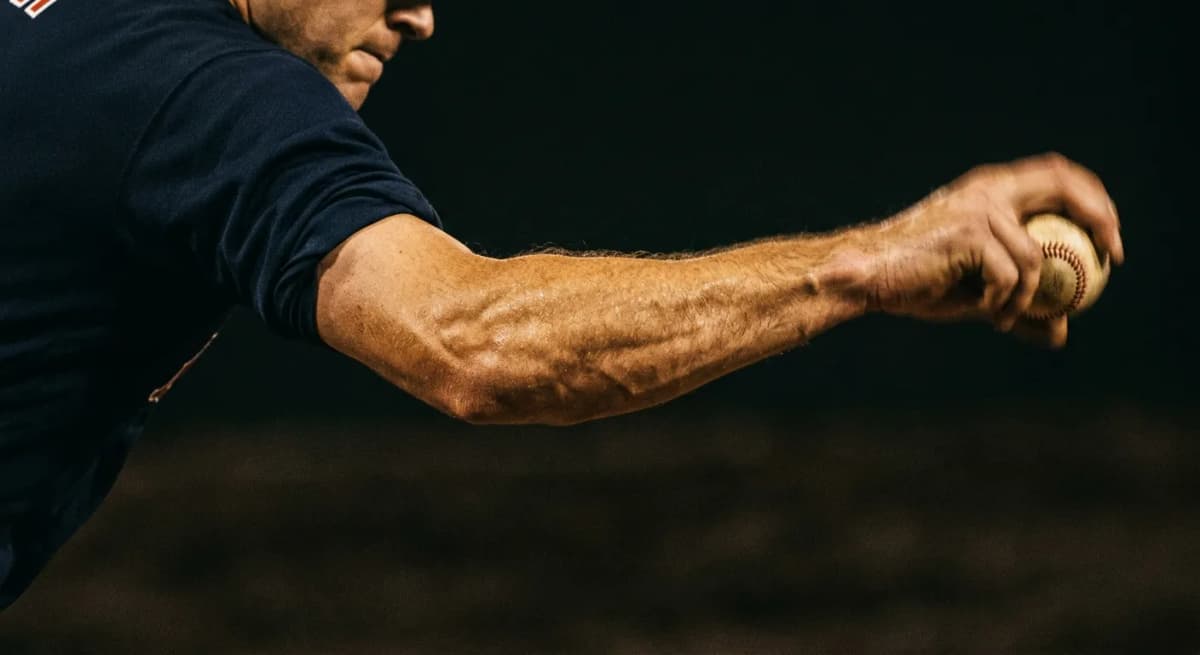
What Does a UCL Injury Feel Like?
UCL pain is usually felt on the inside of the throwing elbow, but location alone cannot tell you whether the ligament is irritated, partially torn, or the wrong suspect entirely.
By Dylan Newcomer
Patellar Tendon Pain During Squats and Leg Training
Pain below the kneecap does not always require shutting down leg training. Load, range, exercise choice, and the next-day response show us where to start.
 By Jason Modafari
Elbow and Distal Biceps Pain During Curls and Pulling
Pain at the front of the elbow can be a manageable training irritation or a tendon injury that needs prompt attention. The mechanism and loss of strength matter.
By Jason Modafari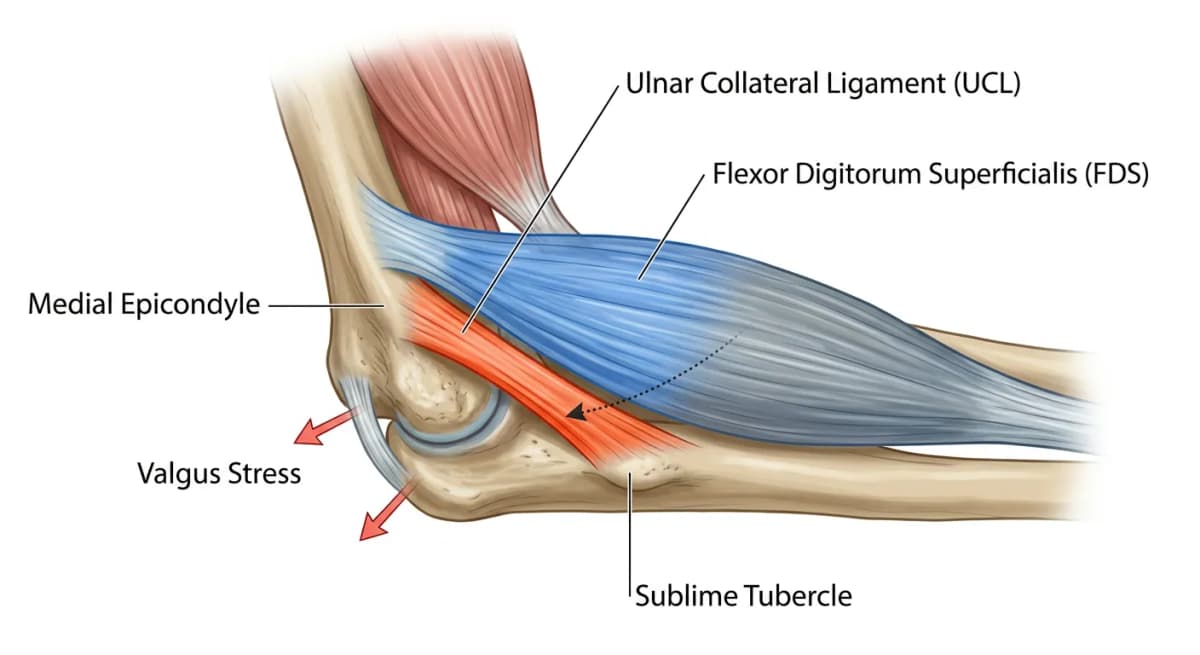
Can a Partial UCL Tear Heal Without Surgery?
Some partial UCL tears can return to high-level throwing without surgery. Tear location, tissue quality, symptoms, timing, and the demands of the athlete all change the answer.
By Jason Modafari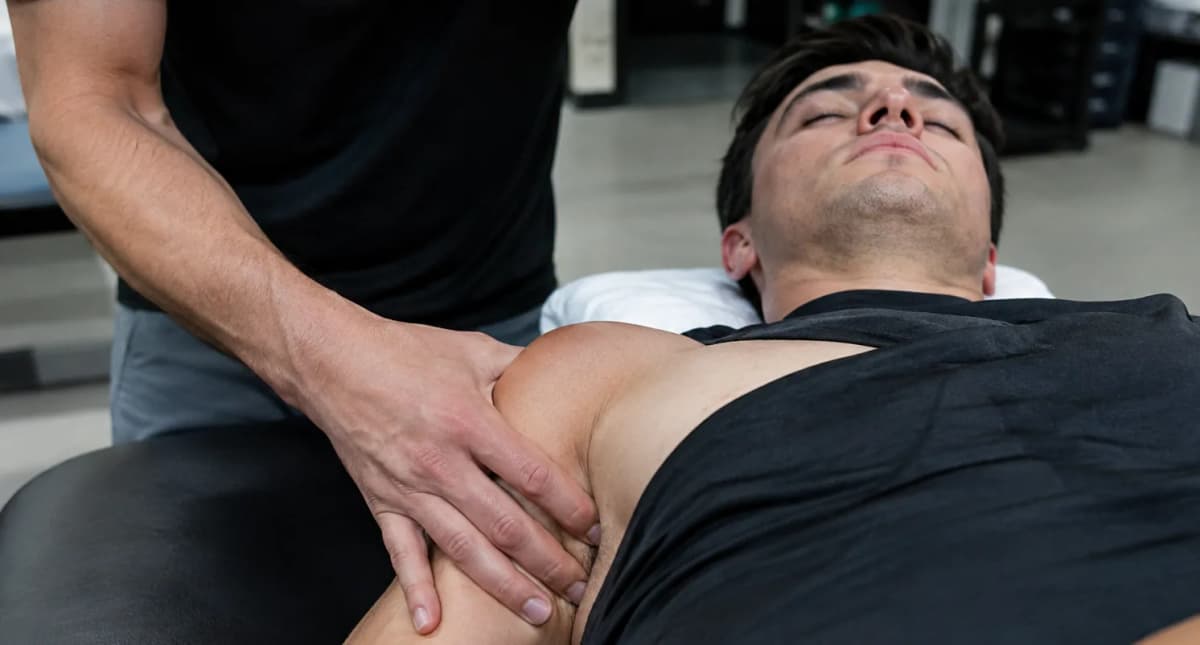
Dry Needling for Throwing Shoulder Pain: Creating a Better Window to Train
Dry needling can reduce pain and guarding in a throwing shoulder, improve motion, and make strength work more productive. We use that response inside a full return-to-throwing plan.
By Jason Modafari