WHEN CAN PITCHERS RETURN TO THE MOUND AFTER TOMMY JOHN?
The short version
Mound work usually follows months of successful catch play and higher-intent flat-ground throwing. The athlete must earn the slope through force, command, workload, and recovery.

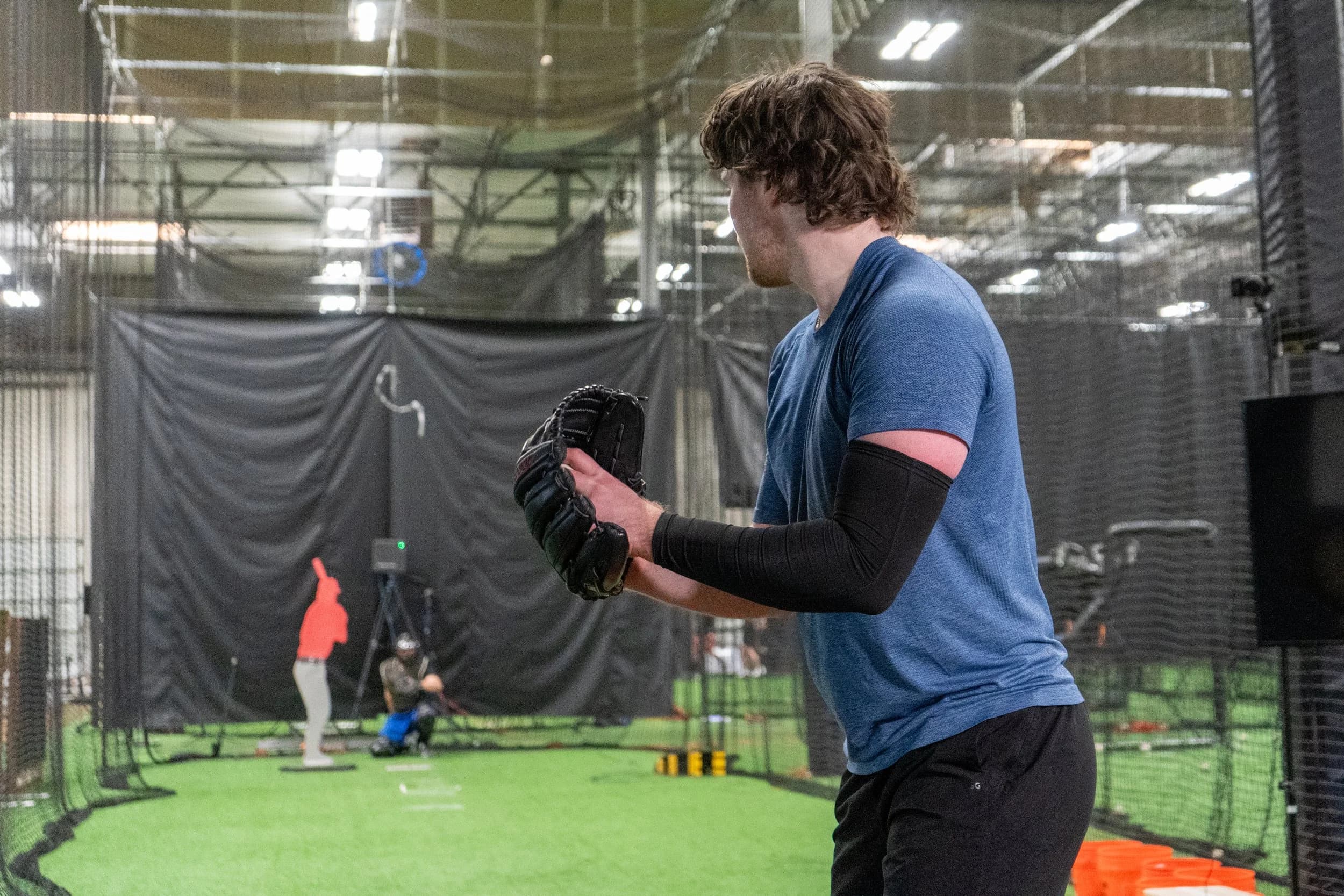
The first bullpen after Tommy John surgery feels like the finish line. Clinically, it is closer to the start of the final third.
Getting on a mound changes the task. The pitcher works down a slope, moves through a more specific delivery, and begins connecting intent with a strike zone. A 15-pitch fastball bullpen is still far removed from warming up, throwing competitive innings, recovering, and doing it again.
There Is No Universal Mound Month
Many reconstruction programs introduce mound work somewhere around months seven to ten. Procedure details, surgeon preference, strength, throwing response, and the athlete's level all move that window.
Published protocols vary considerably. A 2024 systematic review found inconsistency across nearly every rehabilitation milestone after UCL reconstruction. That variability does not make planning useless. It means dates should be paired with criteria.
What a Pitcher Should Complete First
Before the mound, the athlete should tolerate the required catch-play volume and firm flat-ground work. Velocity and intent should rise without focal medial pain, loss of motion, worsening neurologic symptoms, or prolonged recovery.
We also want:
- stable elbow and shoulder motion
- acceptable forearm and shoulder force
- tolerance of rapid and plyometric arm work
- repeatable mechanics as intent rises
- adequate lower-body and trunk capacity
- an athlete who can accurately report symptoms and follow the plan
None of these guarantees a smooth bullpen progression. Together they make the decision more defensible.
The First Bullpen Should Be Boring
Early mound sessions usually use fastballs, submaximal intent, and a limited number of pitches. The objective is exposure, not proving that the surgery worked.
We control pitch count, target velocity, rest between pitches, and days between bullpens. Command matters because an athlete who cannot find the intended delivery may chase the zone with effort. We want repeatable throws before adding volume or pitch complexity.
Only one major variable should make a large jump at a time. If intent rises, volume may hold. If pitch count rises, the target intensity may remain stable.
When Do Breaking Balls Return?
Pitch type is not the only determinant of elbow stress, and the literature does not support a simple rule that every breaking ball is more dangerous than every fastball. Even so, breaking balls add skill and command demands to a recovering pitcher.
We usually establish fastball command and tolerance before building the pitch mix. Age, surgical guidance, preinjury repertoire, and symptoms matter. The article on adding breaking balls during return to throwing covers that decision in detail.
Bullpens Must Progress Toward the Athlete's Role
A reliever and starter need different preparation.
Starters must build pitch volume and recovery for longer outings. Relievers may need shorter, higher-intensity appearances, abbreviated warm-ups, and eventually exposure to throwing on tighter schedules. Position players need high-intent throws from their defensive positions rather than a pitcher's bullpen model.
Live hitters and simulated innings add decision-making, adrenaline, and less predictable timing. Those are real workload changes even when the pitch count stays the same.
Reasons to Hold or Step Back
Focal medial elbow pain, a meaningful velocity drop, declining command, guarding, loss of extension, or symptoms that last into the next planned session deserve attention. The answer may be a smaller workload adjustment. It may be a need for more force or recovery. It may require medical reassessment.
Stepping back is not failure. Ignoring a repeated signal because the calendar says “bullpen phase” is.
The Mound Is a Progression, Not Clearance
Return-to-play studies after UCL reconstruction report high rates of return to some level of pitching, but return to the same level takes longer and is less certain. A systematic review of pitcher outcomes found that return to competition in MLB pitchers averaged about 17 months, with common reductions in innings after surgery.
That is the standard the mound progression must prepare for: not one bullpen, but the workload of a real role.
Our Tommy John rehabilitation program and return-to-throwing process connect strength testing, throwing intensity, bullpen progression, and competition planning in one continuum.
THE NEXT STEP
Follow the complete path from postoperative protection through strength, throwing, mound work, and competition.
Explore Tommy John RehabRELATED POSTS
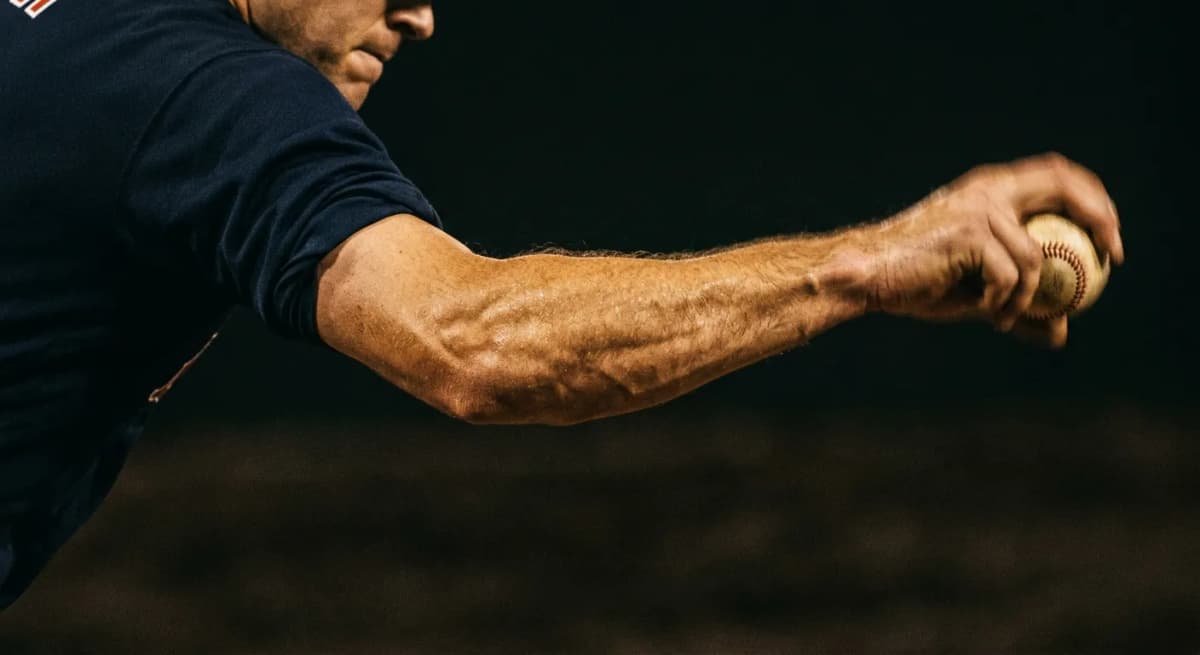
What Does a UCL Injury Feel Like?
UCL pain is usually felt on the inside of the throwing elbow, but location alone cannot tell you whether the ligament is irritated, partially torn, or the wrong suspect entirely.
 By Dylan Newcomer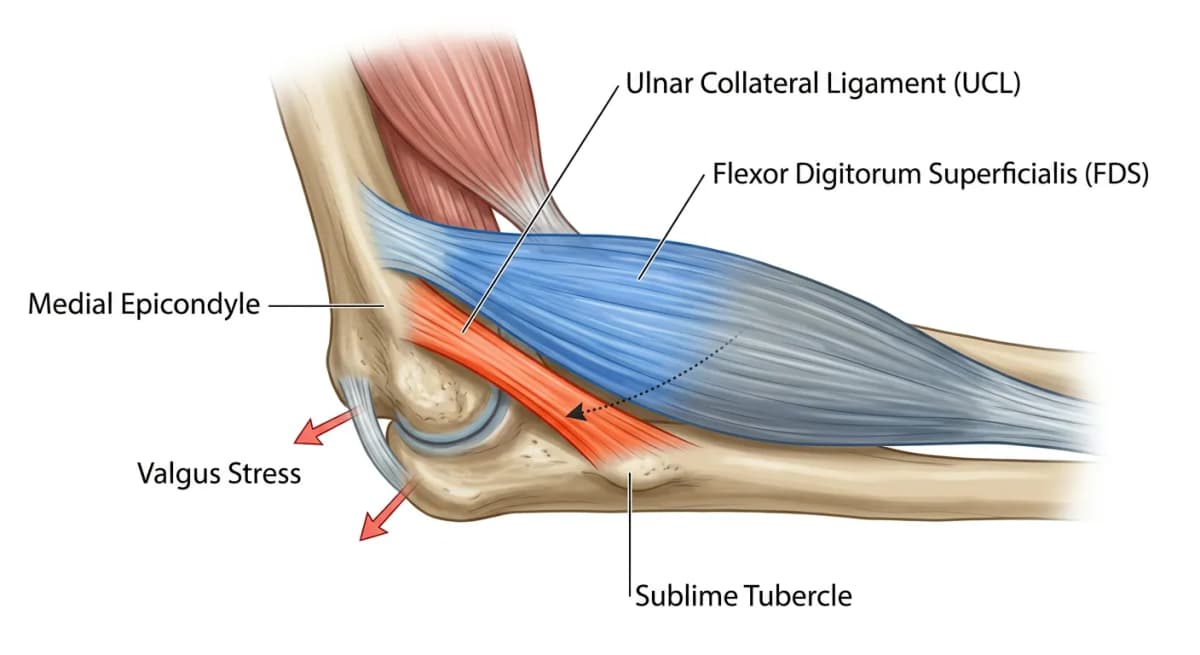
Can a Partial UCL Tear Heal Without Surgery?
Some partial UCL tears can return to high-level throwing without surgery. Tear location, tissue quality, symptoms, timing, and the demands of the athlete all change the answer.
 By Jason Modafari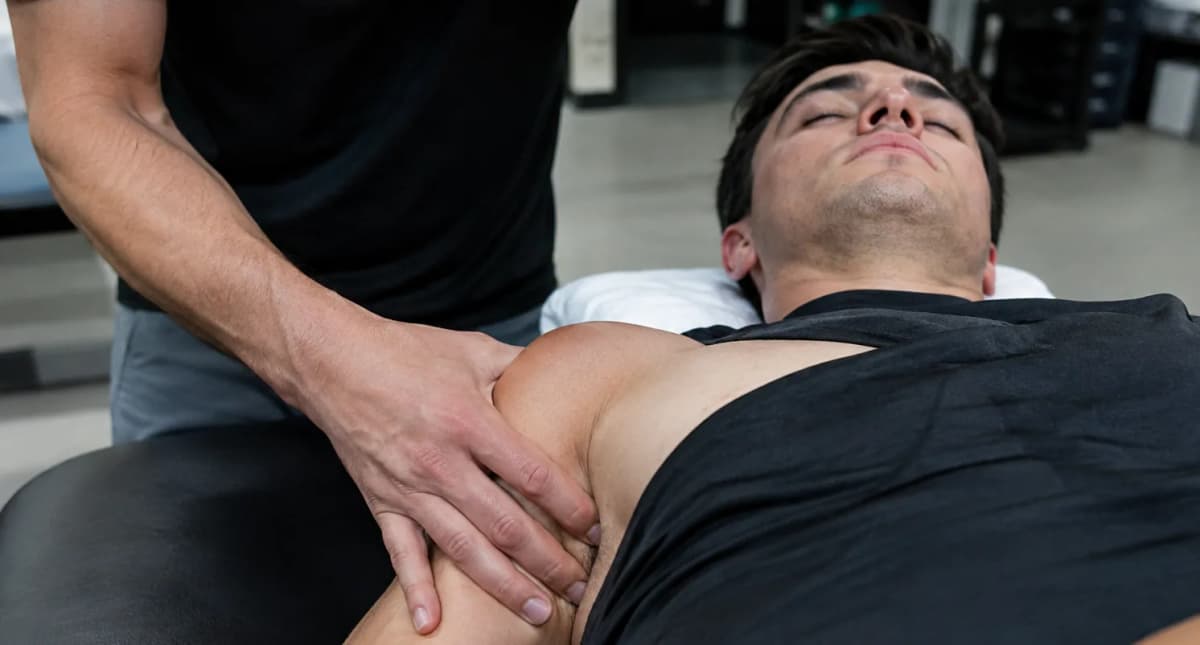
Dry Needling for Throwing Shoulder Pain: Creating a Better Window to Train
Dry needling can reduce pain and guarding in a throwing shoulder, improve motion, and make strength work more productive. We use that response inside a full return-to-throwing plan.
By Jason Modafari