WORKLOAD, FATIGUE, AND PAIN: WHAT TO TRACK BEFORE ADDING MORE
The short version
Training numbers are useful, but they do not tell the whole story. Combine workload, recovery, symptoms, and performance when adjusting a rehab or throwing plan.

An athlete's week is more than the number of pitches in a game. Practice throws, lifting, lessons, other sports, travel, and recovery all compete for space in the plan.
Tracking workload helps us see what happened. It does not give us a number that guarantees the next session is safe.
Track the work and the response
For a throwing athlete, a useful log can include:
- Throwing sessions, approximate volume, and effort.
- Games, bullpens, lessons, and position work.
- Strength training and other demanding activity.
- Pain during activity and afterward.
- How the arm feels and performs at the next session.
The point is to make decisions with better information. Two athletes can complete the same number of throws and respond differently. Even the same athlete may tolerate a familiar session differently after a crowded week.
Fatigue is context, not a diagnosis
The IOC consensus on load and injury discusses the interaction between training, competition, recovery, and other stresses. It supports considering the athlete's overall circumstances rather than viewing one session in isolation.
But pain should not automatically be dismissed as fatigue. New or worsening symptoms, a loss of strength, or a change in throwing ability may need an examination. A spreadsheet cannot determine whether the elbow has a UCL injury, a tendon problem, or something else.
Avoid the magic-ratio trap
There is no universal workload ratio that clears every athlete to progress. A 2020 commentary on training-load research explains why translating these measurements into precise injury-risk predictions is problematic.
We can still use training records to identify changes, check whether the planned work was completed, and discuss how the athlete responded. That is different from treating a dashboard's green light as medical clearance.
For youth pitchers, follow the applicable age-based limits and rest requirements. MLB Pitch Smart publishes age-specific pitching guidance; those rules do not replace injury-specific restrictions.
Use the information to change the plan
During rehab, progression should reflect the injury, current capacity, medical restrictions, and response to recent work. Sometimes the next step is more load. Sometimes it is repeating a manageable exposure or reassessing symptoms before continuing.
Our return-to-throwing program connects strength work, throwing progression, and review of the athlete's response. If pain is the immediate issue, start with our throwing elbow or throwing shoulder guide. In-person care is available in Kent and Tampa.
This article provides general education, not clearance to throw through pain.
THE NEXT STEP
See how testing, progressive throwing, and review of your response guide the plan.
Explore Return to ThrowingRELATED POSTS
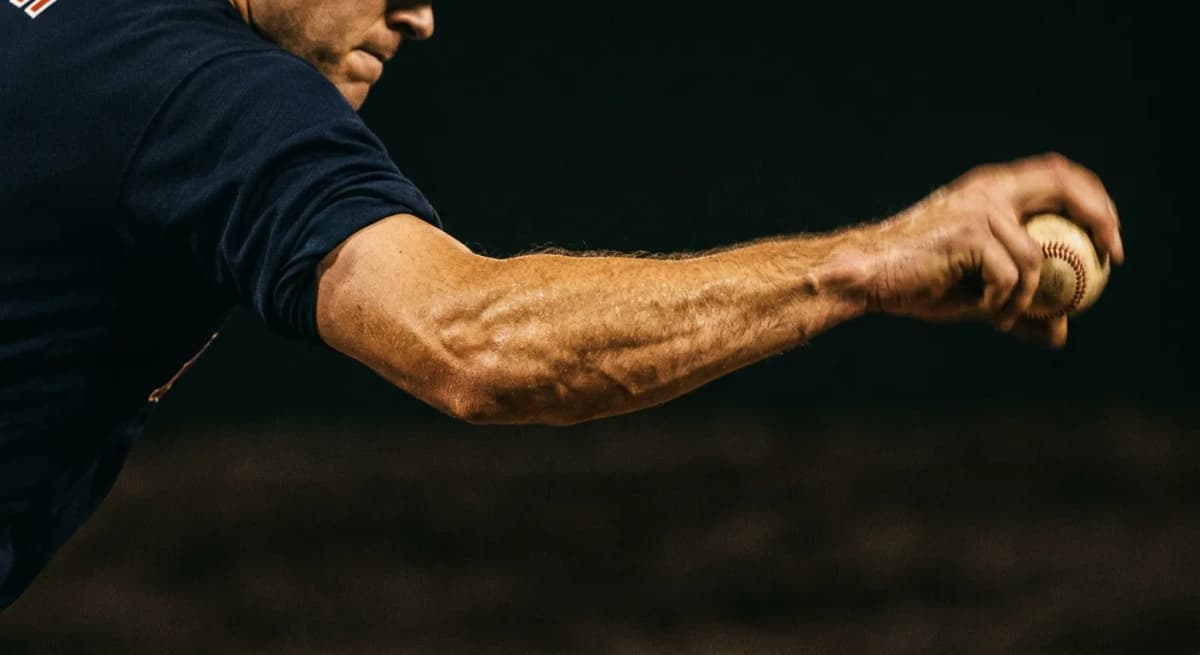
What Does a UCL Injury Feel Like?
UCL pain is usually felt on the inside of the throwing elbow, but location alone cannot tell you whether the ligament is irritated, partially torn, or the wrong suspect entirely.
 By Dylan Newcomer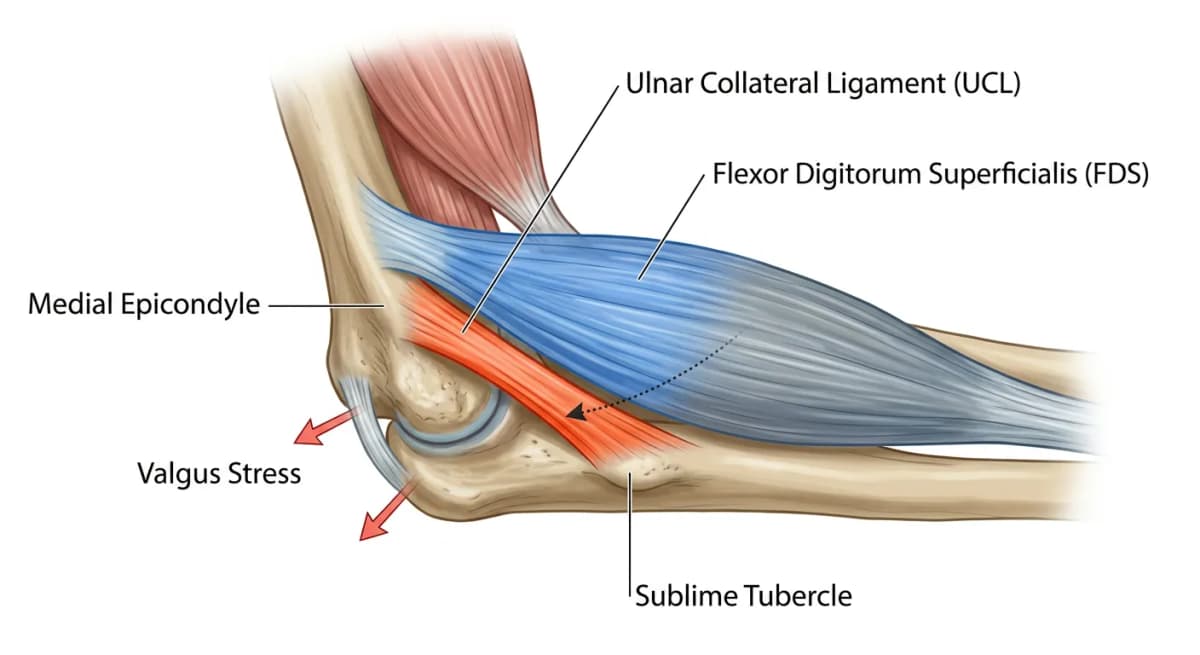
Can a Partial UCL Tear Heal Without Surgery?
Some partial UCL tears can return to high-level throwing without surgery. Tear location, tissue quality, symptoms, timing, and the demands of the athlete all change the answer.
 By Jason Modafari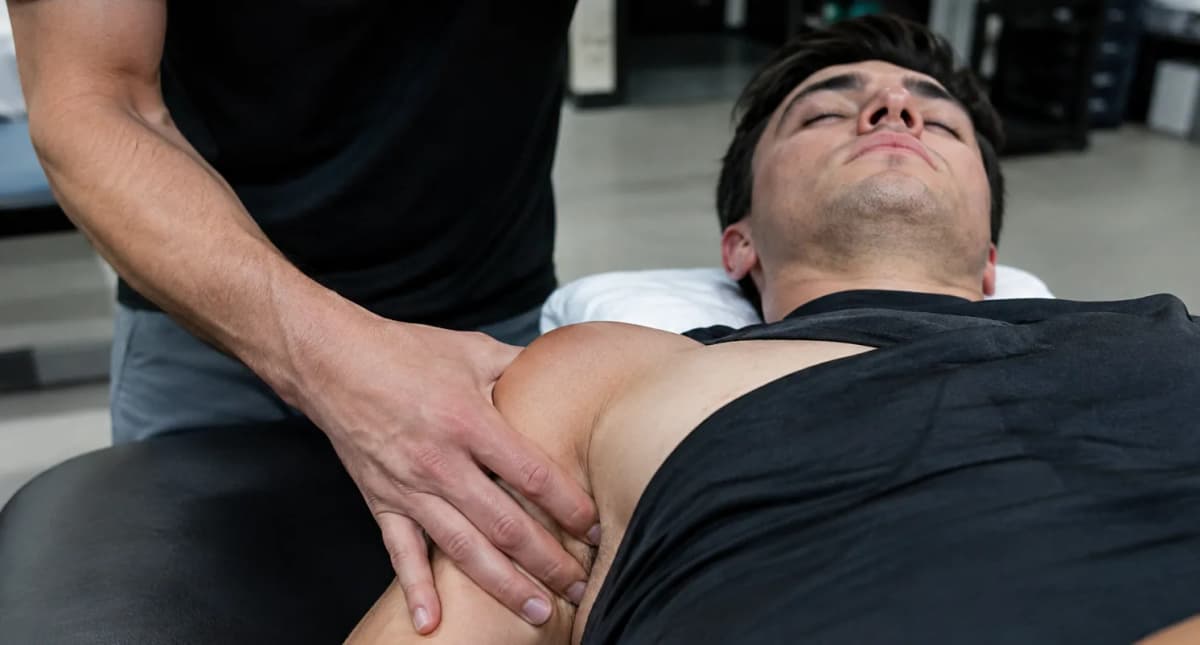
Dry Needling for Throwing Shoulder Pain: Creating a Better Window to Train
Dry needling can reduce pain and guarding in a throwing shoulder, improve motion, and make strength work more productive. We use that response inside a full return-to-throwing plan.
By Jason Modafari