SHOULDER STRENGTH TESTING FOR PITCHERS: WHAT WE MEASURE AND WHY
The short version
Shoulder testing should quantify force in repeatable positions, compare meaningful baselines, expose fatigue, and help decide what to train and when to progress throwing.

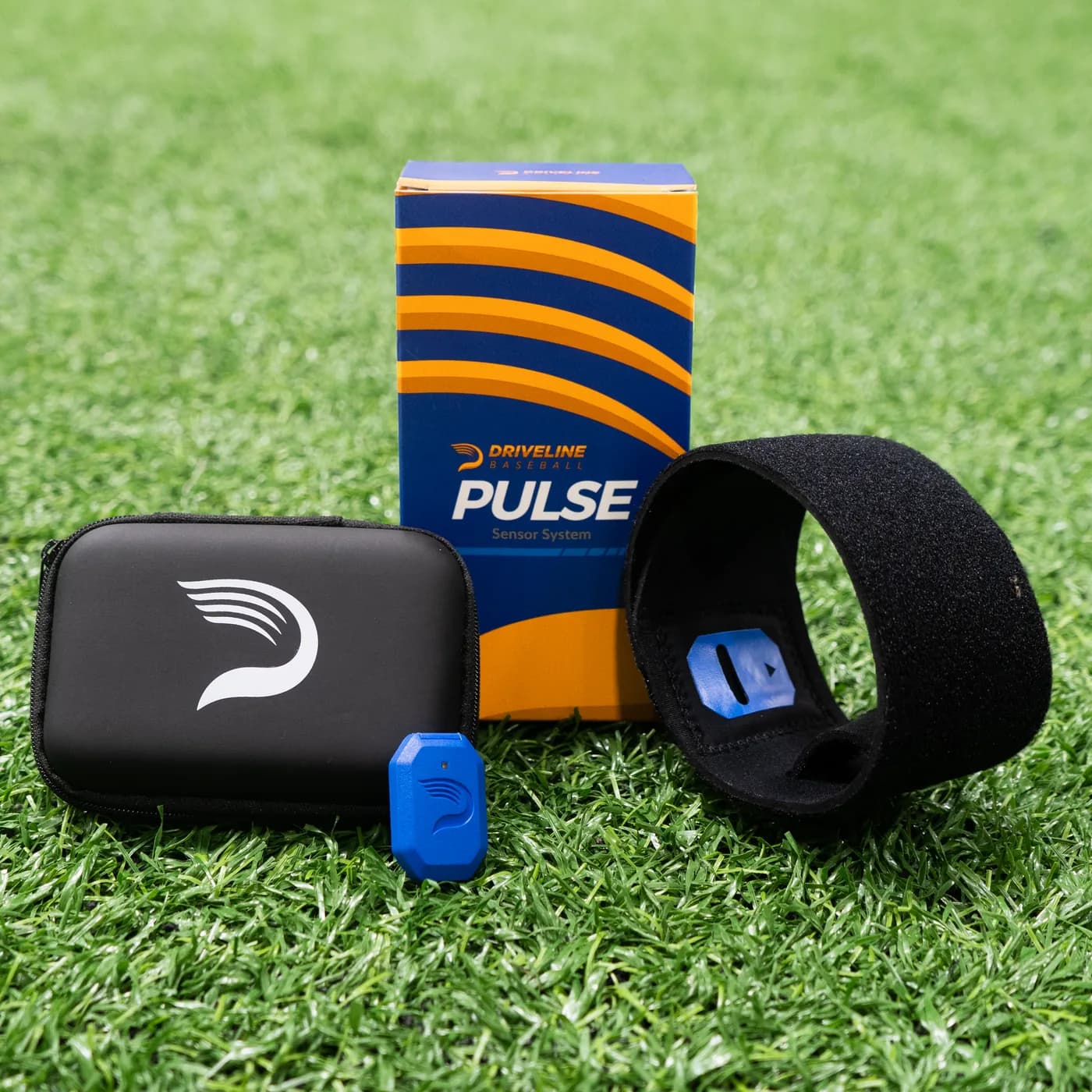
“Five out of five” manual strength is a poor ceiling for a pitcher.
That grade may confirm that an athlete can resist a clinician's hand. It cannot show whether the arm regained preinjury force, whether one position is deficient, or whether output collapses after repeated efforts.
Handheld Dynamometry
A dynamometer gives force a number. We can test internal rotation, external rotation, scaption, and other patterns in standardized positions. Consistent setup matters because changing leverage or stabilization changes the result.
We compare with the other arm, available preseason data, body-size context, and sport demands. The throwing shoulder is adapted, so perfect symmetry is not automatically the target.
Reliable numbers require reliable setup. The clinician has to stabilize the athlete, control the lever arm, and repeat the same joint position. A test can look objective because a screen displays pounds or newtons while still being noisy enough to mislead.
We use repeated trials and look for values that agree. When a change is smaller than the normal testing error, we should not pretend it represents a biological breakthrough.
Why We Test More Than One Angle
Force at the side does not describe force in the cocking position. Testing at multiple degrees of elevation can reveal deficits hidden by one comfortable angle.
Position also changes the tissue challenge. A symptomatic response at 90 degrees of abduction may matter even when the athlete is strong and pain-free at the side.
A 2025 systematic review of chronic shoulder adaptations in pitchers documented consistent throwing-side changes in rotation and humeral anatomy. Those normal adaptations are one reason raw symmetry cannot be the sole standard.
Ratios Are Useful but Easy to Misread
External-to-internal rotation ratios provide context about relative force. A normal ratio can come from two strong numbers or two weak ones. We keep the underlying force values visible.
The same caution applies to side-to-side percentages. A deconditioned nonthrowing arm is not always a worthy gold standard, and a previously injured throwing arm may need comparison with its own baseline.
Rate and Repeatability Matter
Pitching is fast and repetitive. Isometric peak force cannot describe the entire task.
We add medicine-ball and plyometric tasks, velocity or power measures where available, and repeated testing to see how output changes with fatigue. These measures help connect the weight room to a return-to-throwing progression.
Repeated external- and internal-rotation efforts can show a loss of output that a single maximum misses. Grip and forearm measures add context for the rest of the arm. We can also compare force before and after a throwing session when recovery is the concern.
Testing After Injury or Surgery
The tissue changes what we emphasize. After UCL surgery, elbow and forearm force, motion, healing time, and throwing exposure sit beside shoulder testing. After a shoulder injury, elevated-position force and symptom response may carry more weight. Following instability, apprehension and control matter as well as peak output.
A test that provokes the healing tissue too early is not courageous. It is poorly timed. We select measures the athlete can perform safely and add more demanding positions as the medical constraints change.
Common Interpretation Errors
Do not clear an athlete because one ratio is “normal.” Do not call a two-pound difference meaningful without knowing test reliability. Do not compare measurements taken with different devices or positions as if they are the same. Do not ignore an athlete whose force looks good but pain and throwing tolerance are deteriorating.
Numbers should reduce uncertainty. They should not be used to decorate a decision already made.
Testing Should Change the Program
Data collection is only useful if it affects decisions. A clear external-rotation deficit changes exercise selection and dosage. Poor force endurance may change bullpen volume or recovery. Good clinic numbers paired with throwing pain may send us back to diagnosis, workload, or testing specificity.
Testing is one layer of clearance, not a certificate. Motion, symptoms, tissue healing, throwing exposure, command, velocity, and recovery all contribute.
For a full clinical framework, read the guide to shoulder pain when throwing. Athletic Potential uses objective testing in Kent, Washington and Tampa, Florida to make rehabilitation and return-to-pitching decisions less dependent on guesswork.
THE NEXT STEP
See how a throwing-shoulder evaluation connects diagnosis, force testing, workload, and the return to pitching.
Explore Throwing Shoulder RehabRELATED POSTS
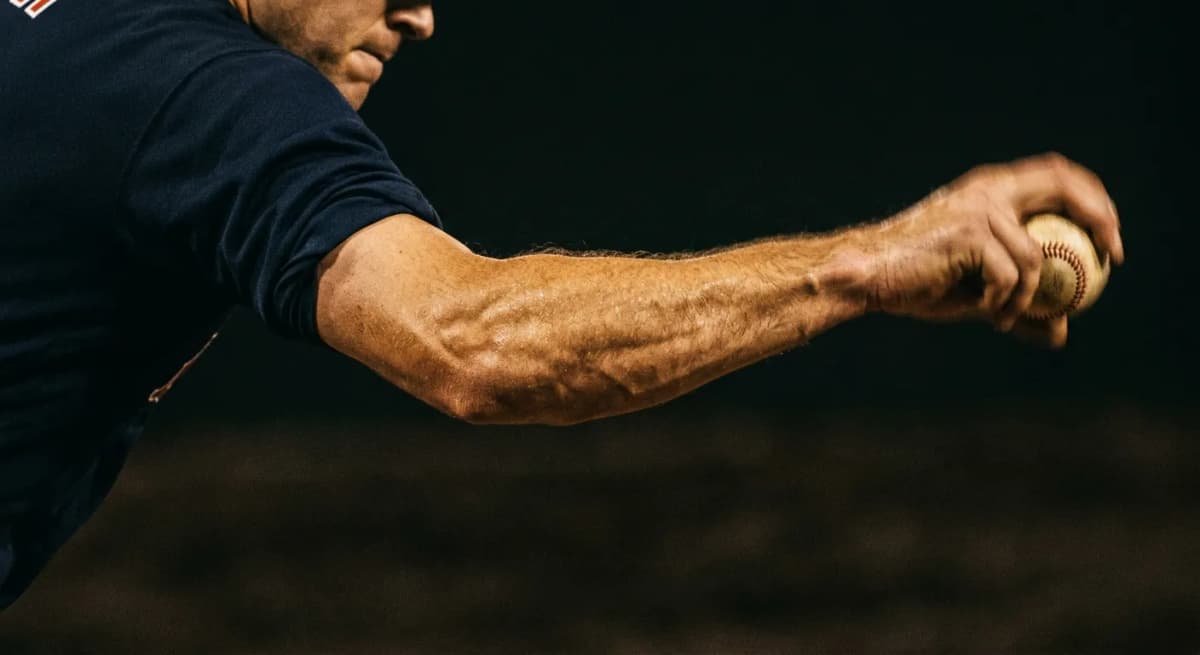
What Does a UCL Injury Feel Like?
UCL pain is usually felt on the inside of the throwing elbow, but location alone cannot tell you whether the ligament is irritated, partially torn, or the wrong suspect entirely.
 By Dylan Newcomer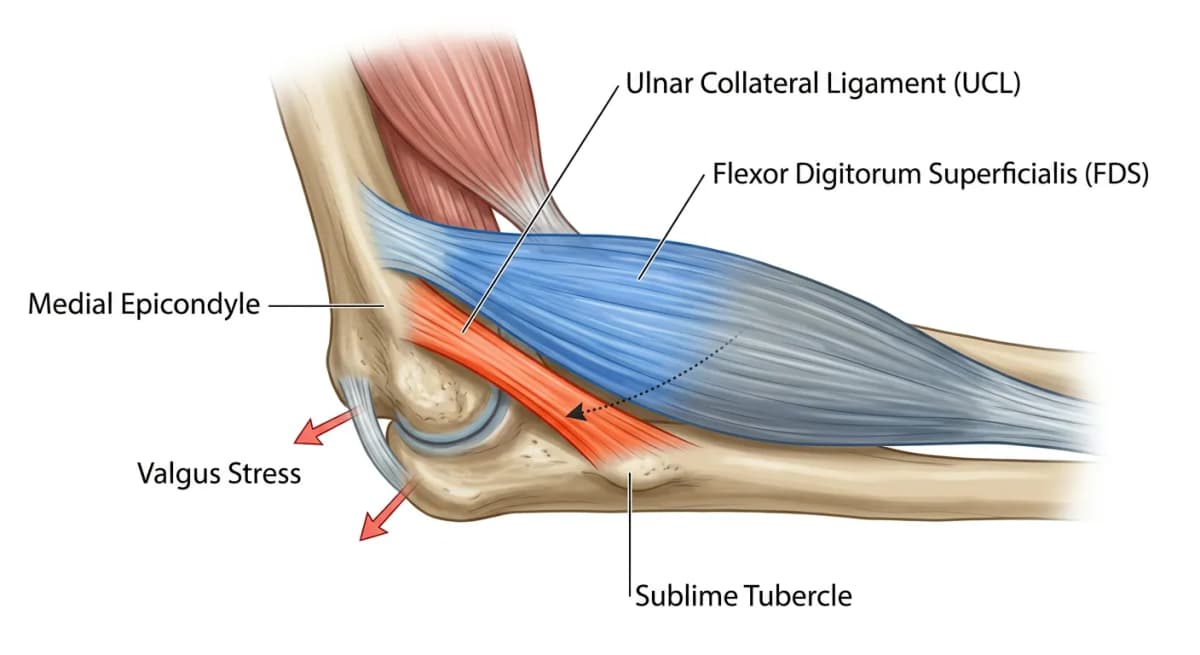
Can a Partial UCL Tear Heal Without Surgery?
Some partial UCL tears can return to high-level throwing without surgery. Tear location, tissue quality, symptoms, timing, and the demands of the athlete all change the answer.
 By Jason Modafari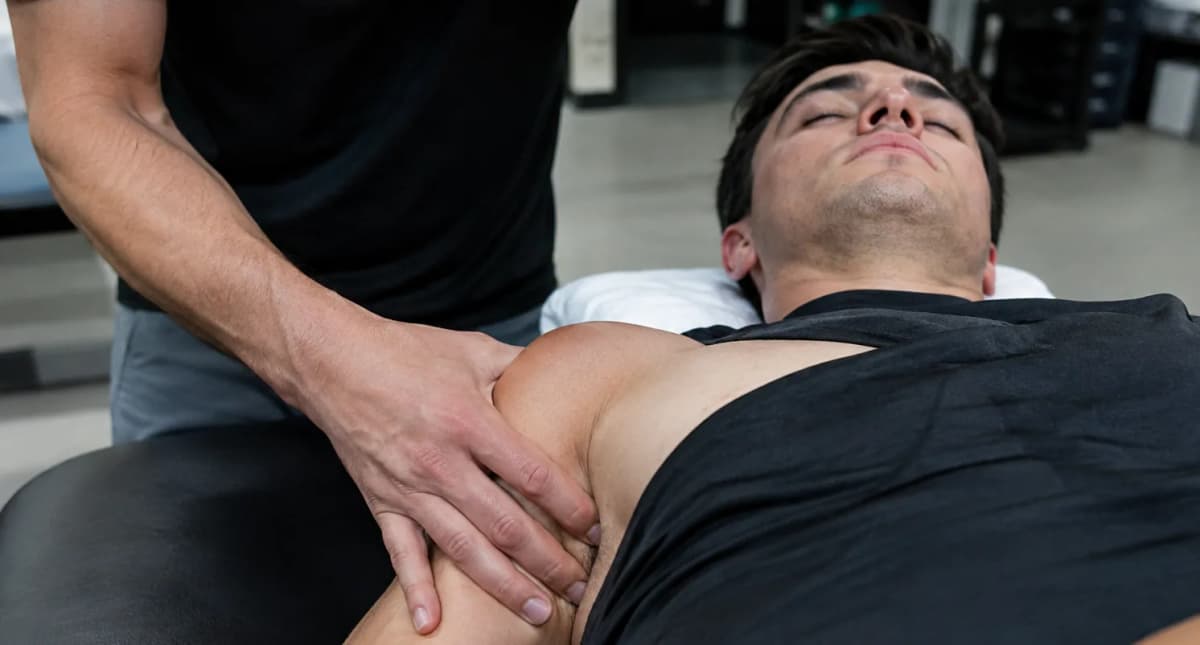
Dry Needling for Throwing Shoulder Pain: Creating a Better Window to Train
Dry needling can reduce pain and guarding in a throwing shoulder, improve motion, and make strength work more productive. We use that response inside a full return-to-throwing plan.
By Jason Modafari