ROTATOR CUFF STRENGTH FOR BASEBALL PLAYERS: WHAT ACTUALLY MATTERS?
The short version
Pitchers need more than band external rotations. Useful cuff training develops force in several positions, speed, deceleration capacity, and the ability to repeat effort around throwing.

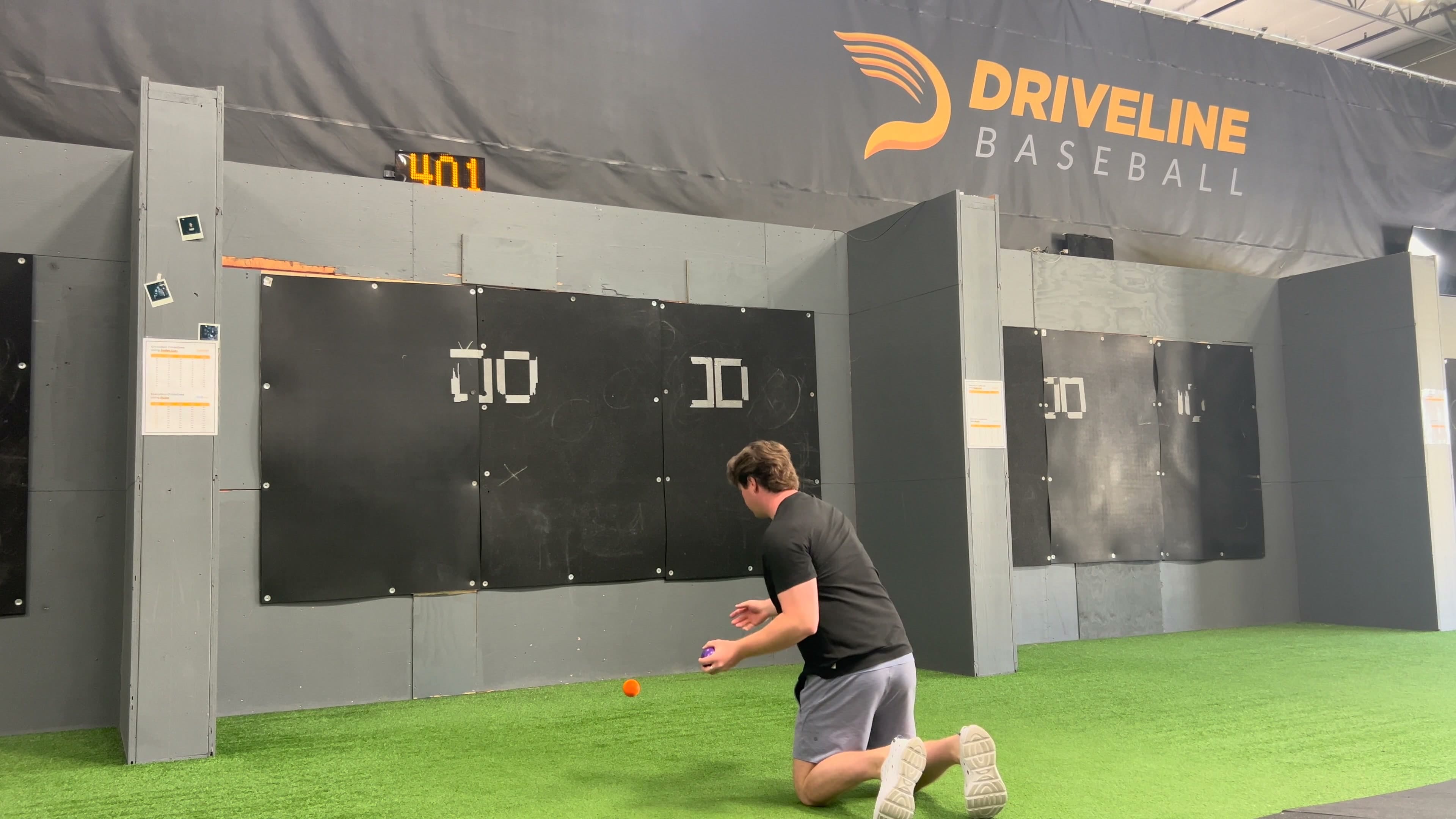
Table of Contents
The rotator cuff does not need another random circuit. It needs a job description.
During throwing, the cuff helps center the humeral head, produces and controls rotation, and handles enormous deceleration demand after ball release. Those tasks occur at high speed, in elevated positions, and under fatigue. Three sets with a light band can warm the shoulder. They cannot represent the whole plan.
Strength in One Position Is Not Enough
Traditional testing at the side is useful because it is repeatable. Pitchers also need force closer to the positions where they throw.
We test and train internal and external rotation at more than one shoulder angle, along with scaption, horizontal patterns, rows, presses, and elbow and forearm force. The goal is not to isolate every anatomical structure. It is to see where force drops and whether the athlete can produce it without pain or compensation.
Pitchers develop measurable sport-specific changes in motion, strength, and bone structure. A 2025 systematic review found increased external rotation, decreased internal rotation, and substantial humeral-retroversion differences in professional pitchers. Training and testing should respect that history instead of treating the throwing arm as an abnormal copy of the other side.
Absolute Force and Ratios Answer Different Questions
A ratio between external- and internal-rotation force can describe balance. It can also hide two weak numbers. An athlete with weak internal and external rotation may show an acceptable ratio and still lack capacity.
We look at absolute force, side-to-side differences, body-size context, testing position, and repeatability. Prior baseline data is especially valuable because the athlete becomes his own reference.
Slow Strength Comes First, Not Last
Heavy rows, presses, carries, and rotation work build a foundation. Specific cuff exercises can target positions and ranges that compound lifts do not fully cover.
As capacity improves, we add faster intent, perturbations, medicine balls, rebounder work, plyometric push-ups, and catching or deceleration tasks. Speed should be earned through force and control, not introduced as chaos.
Exercise selection can change across the year. The offseason provides room for heavier loading and larger training volumes. In season, the pitcher may use lower volume to maintain force around starts or appearances. The best exercise on paper is a poor choice if its soreness disrupts throwing.
Internal Rotation Deserves Training Too
Pitcher programs often emphasize external rotation because the posterior cuff works hard to decelerate the arm. Internal rotation force also matters during acceleration and may be undertrained when every “arm care” exercise turns outward.
We do not chase a universal strength ratio at the expense of absolute force. Training both directions across useful positions gives the shoulder more complete capacity.
Range of Motion Is Not a Stretching Contest
Throwing shoulders commonly gain external rotation and lose some internal rotation as part of sport-specific adaptation. Total rotational motion, side-to-side history, humeral anatomy, symptoms, and timing in the season help determine whether a finding is concerning.
Aggressively stretching every pitcher toward symmetry can irritate the front of the shoulder without solving the problem. When motion is truly limited, we choose the direction and dosage based on the individual presentation and then strengthen the usable range.
Fatigue Is Part of the Test
A pitcher can produce a good first repetition and still lose meaningful force late in an outing. We use repeated efforts and monitor mechanics, output, and symptom response. Training dosage should reflect the athlete's role and throwing schedule.
This is also why arm care changes in season. The pitcher may need enough stimulus to maintain strength without adding fatigue that compromises the next appearance.
Monitor more than soreness. A loss of velocity, reduced command, declining force, altered motion, or longer recovery can show that the current throwing and training load exceeds capacity. These changes may appear before the athlete reports substantial pain.
Do Not Blame the Scapula for Everything
Scapular motion is part of throwing, but there is wide normal variation. Visual “winging” does not automatically identify a cause of pain. We train the scapular muscles through useful pushing, pulling, carrying, and overhead tasks while focusing on function rather than forcing one ideal resting position.
Transfer to Throwing
The most specific shoulder-load progression is the return to throwing. Distance, volume, intent, mound exposure, and recovery provide information that gym tests cannot.
If strength is improving but pain returns at the same throwing intensity, revisit the diagnosis, workload, and what the current testing missed. The baseball shoulder pain guide explains the main conditions and decision points.
A useful rotator-cuff program is not defined by one exercise. It develops enough force, speed, and repeatability for the athlete's actual throwing job.
THE NEXT STEP
See how a throwing-shoulder evaluation connects diagnosis, force testing, workload, and the return to pitching.
Explore Throwing Shoulder RehabRELATED POSTS
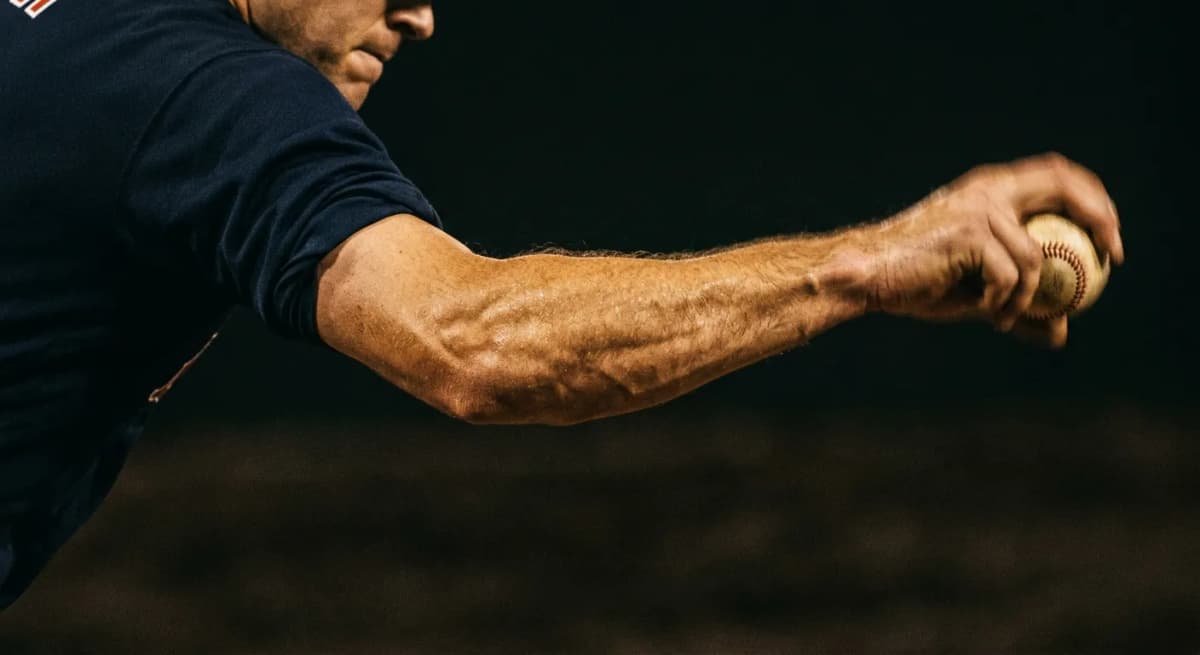
What Does a UCL Injury Feel Like?
UCL pain is usually felt on the inside of the throwing elbow, but location alone cannot tell you whether the ligament is irritated, partially torn, or the wrong suspect entirely.
 By Dylan Newcomer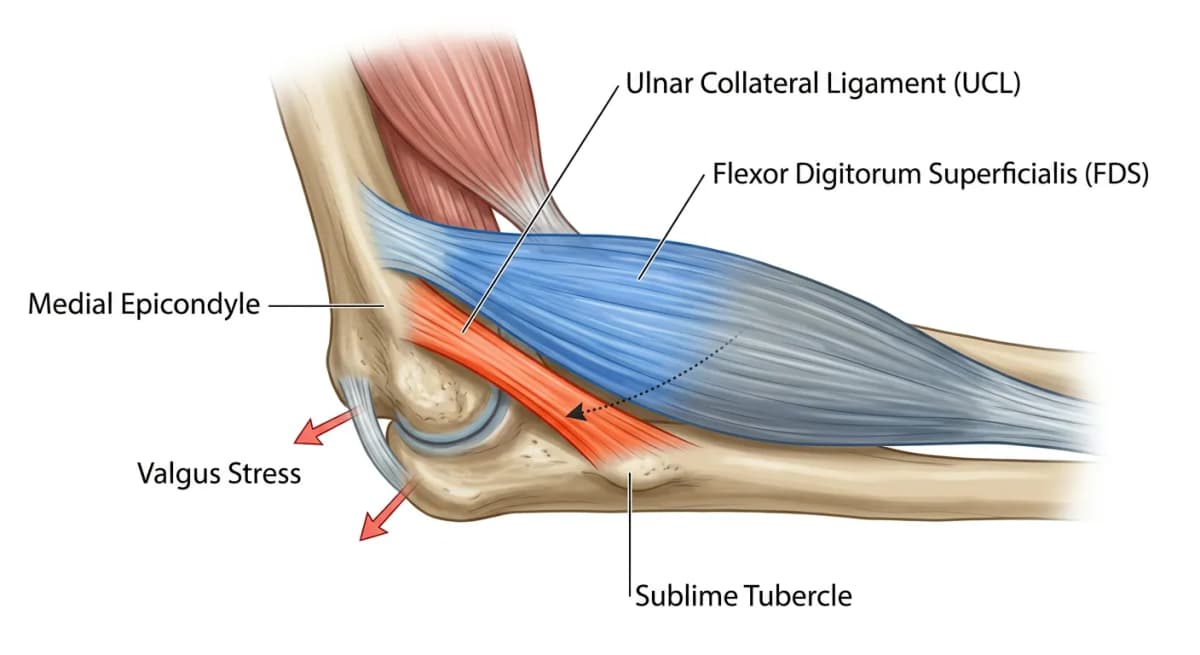
Can a Partial UCL Tear Heal Without Surgery?
Some partial UCL tears can return to high-level throwing without surgery. Tear location, tissue quality, symptoms, timing, and the demands of the athlete all change the answer.
 By Jason Modafari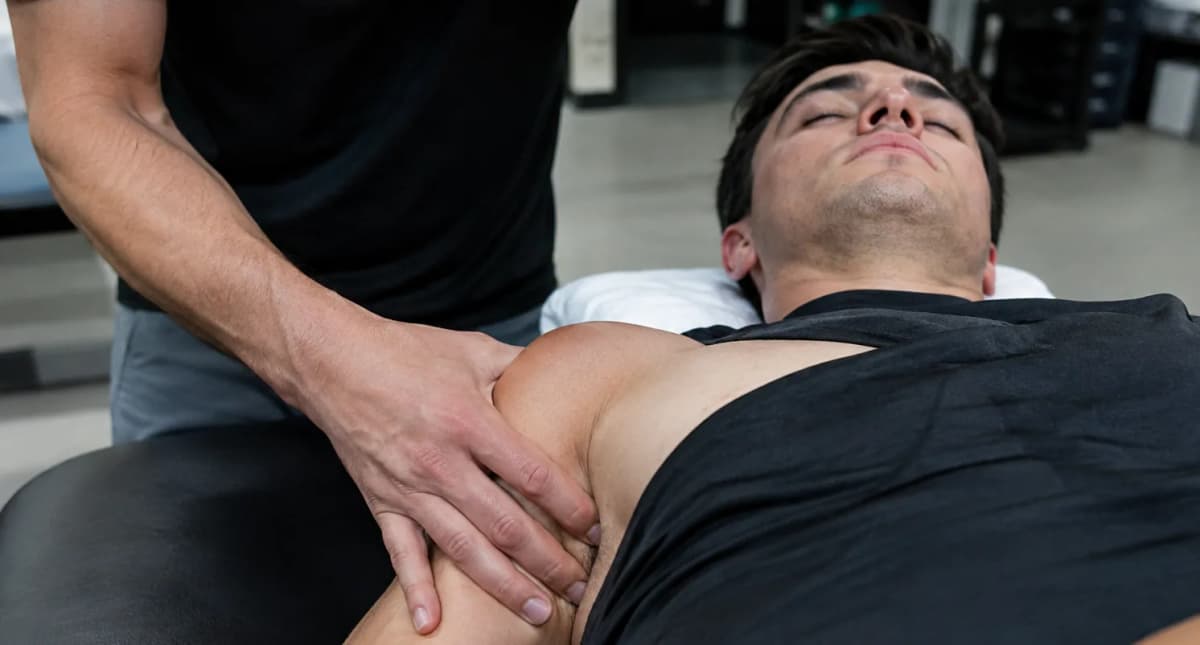
Dry Needling for Throwing Shoulder Pain: Creating a Better Window to Train
Dry needling can reduce pain and guarding in a throwing shoulder, improve motion, and make strength work more productive. We use that response inside a full return-to-throwing plan.
By Jason Modafari