WHY DOES MY SHOULDER HURT AFTER PITCHING?
The short version
Post-pitching shoulder pain can reflect workload fatigue, rotator-cuff or biceps irritation, instability, joint injury, or a neck and nerve problem. Timing and recovery shape the differential.

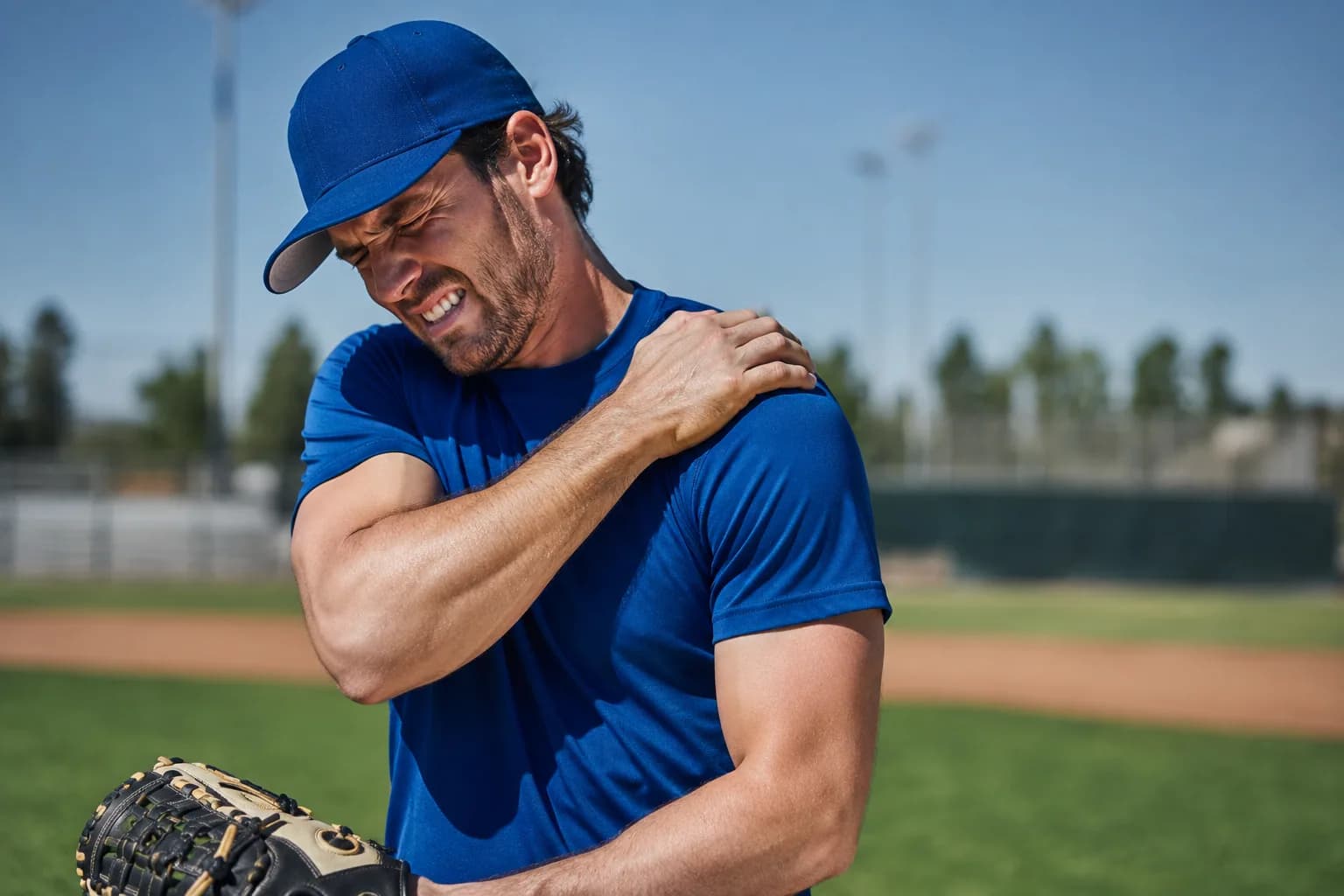
A tired shoulder after a hard outing is not unusual. A shoulder that hurts after every outing, takes longer to recover, or stops producing normal velocity is telling you something different.
The location of pain helps, but the timing may help more. Pain during late cocking suggests a different problem from pain during deceleration. Symptoms that start only after 60 pitches point toward a capacity issue even when the tissue diagnosis is the same.
Common Patterns
Front-of-shoulder pain can involve the long head of the biceps, anterior rotator cuff, or joint structures. Posterior pain during maximum external rotation may fit internal impingement, posterior cuff irritation, or labral involvement. Lateral pain can occur with rotator-cuff related shoulder pain. Pain with tingling, heaviness, or neck symptoms broadens the concern to neural or vascular sources.
Throwers also develop normal adaptations in motion and tissue appearance. That is why an MRI finding alone should not be treated as the diagnosis.
Workload Changes the Meaning of the Symptom
We ask about pitch count, high-intent throws, warm-up volume, long toss, recovery between outings, recent velocity changes, and strength training. A pitcher may stay within a game pitch limit while doubling his total weekly high-intent throws.
The shoulder's response over the next 24 to 48 hours matters. Motion and force can change after pitching. If those qualities fail to recover before the next workload, fatigue accumulates.
Normal throwing adaptations complicate interpretation. A systematic review of pitchers' shoulders found consistent differences in rotation and humeral anatomy between throwing and nonthrowing sides. A side-to-side difference can be expected, clinically important, or both depending on total motion, symptoms, and change from baseline.
What the Evaluation Measures
A throwing-shoulder evaluation should include shoulder rotation, flexion, horizontal motion, rotator-cuff force in multiple positions, scapular and trunk capacity, neck screening, and relevant instability or labral tests. We compare findings with the athlete's history and throwing response.
No single test clears a pitcher. The profile tells us whether the problem looks load-responsive, neurologic, unstable, structurally concerning, or some combination.
The Timing of Pain Changes the Differential
Pain during maximum external rotation may raise concern for internal impingement, instability, labral involvement, or cuff symptoms in an elevated position. Pain during acceleration or follow-through changes which tissues and loading actions we examine. Pain only after throwing can reflect accumulated fatigue, although it still may arise from a specific injured structure.
We also ask what happens during warm-up. Symptoms that settle and then return late in an outing tell a different workload story from pain that is sharp on the first high-intent throw.
Why Imaging Cannot Stand Alone
Labral changes and partial cuff findings can appear in pain-free throwers. Conversely, a normal scan does not mean a shoulder has adequate force or workload capacity. Imaging answers structural questions; it does not reproduce pitching.
We use imaging when the history and exam suggest it will change management, when significant trauma or instability is present, or when expected progress does not occur. The result must still be matched to the athlete's symptoms and function.
What Early Rehab Should Protect
Removing all upper-body work is rarely necessary. We find shoulder, trunk, and lower-body exercises that do not aggravate the condition and maintain as much training as possible. The throwing dose may decrease or pause while the athlete restores motion and force.
As irritability settles, loading should become heavier and then faster. The athlete needs external rotation, internal rotation, pressing, pulling, and deceleration capacity in relevant positions. The final phase restores the volume and intensity of the actual role.
Should You Keep Throwing?
Stop and seek assessment after a traumatic event, dislocation sensation, sudden loss of strength, persistent numbness, or severe pain. Reduce or pause high-intensity throwing when pain worsens across the session, changes the delivery, or comes with lost velocity and command.
For milder symptoms, a short workload adjustment may help, but repeated rest without rebuilding capacity creates the same test again. Rehab should progressively load the cuff, scapular muscles, trunk, and lower body, then reconnect those gains to throwing.
The Return Is More Than “Pain-Free”
Daily activity places little demand on a pitcher's shoulder. Even a pain-free strength session falls short of the speed and repetition of an outing.
The athlete must tolerate plyometrics, progressive throwing intensity, mound work, and role-specific volume. Read the return-to-throwing guide for how we build those steps.
Pain after pitching has many possible explanations. The useful answer comes from the pattern: which tissue is sensitive, what capacity has changed, and what dose repeatedly exposes the problem.
THE NEXT STEP
See how a throwing-shoulder evaluation connects diagnosis, force testing, workload, and the return to pitching.
Explore Throwing Shoulder RehabRELATED POSTS
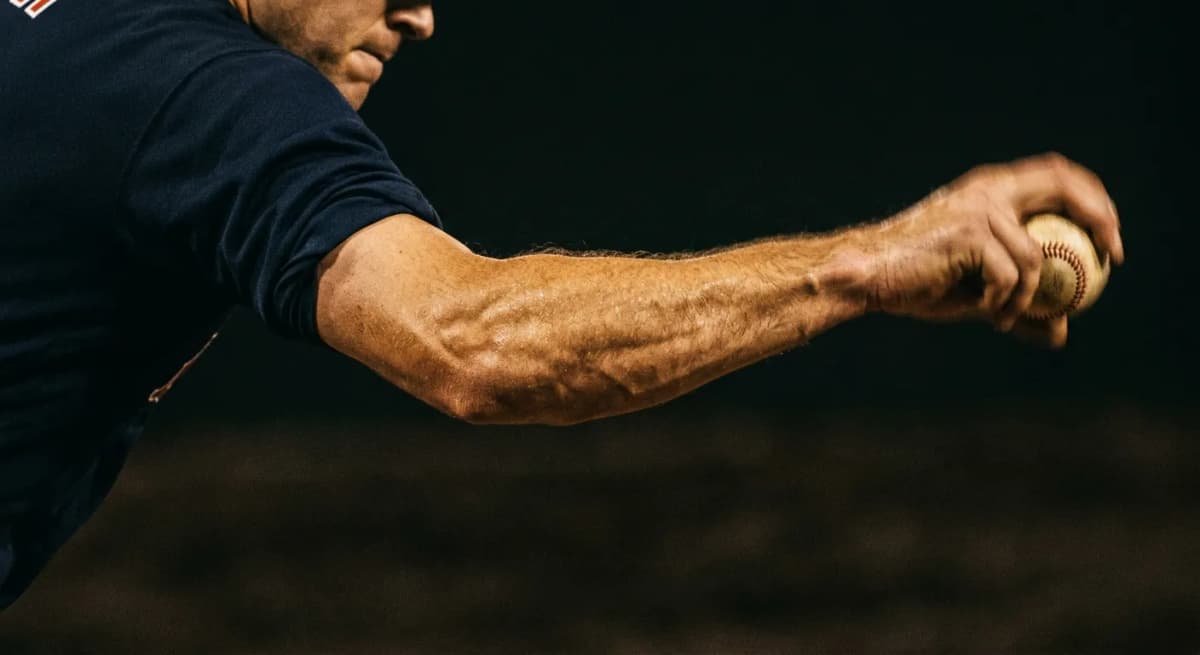
What Does a UCL Injury Feel Like?
UCL pain is usually felt on the inside of the throwing elbow, but location alone cannot tell you whether the ligament is irritated, partially torn, or the wrong suspect entirely.
 By Dylan Newcomer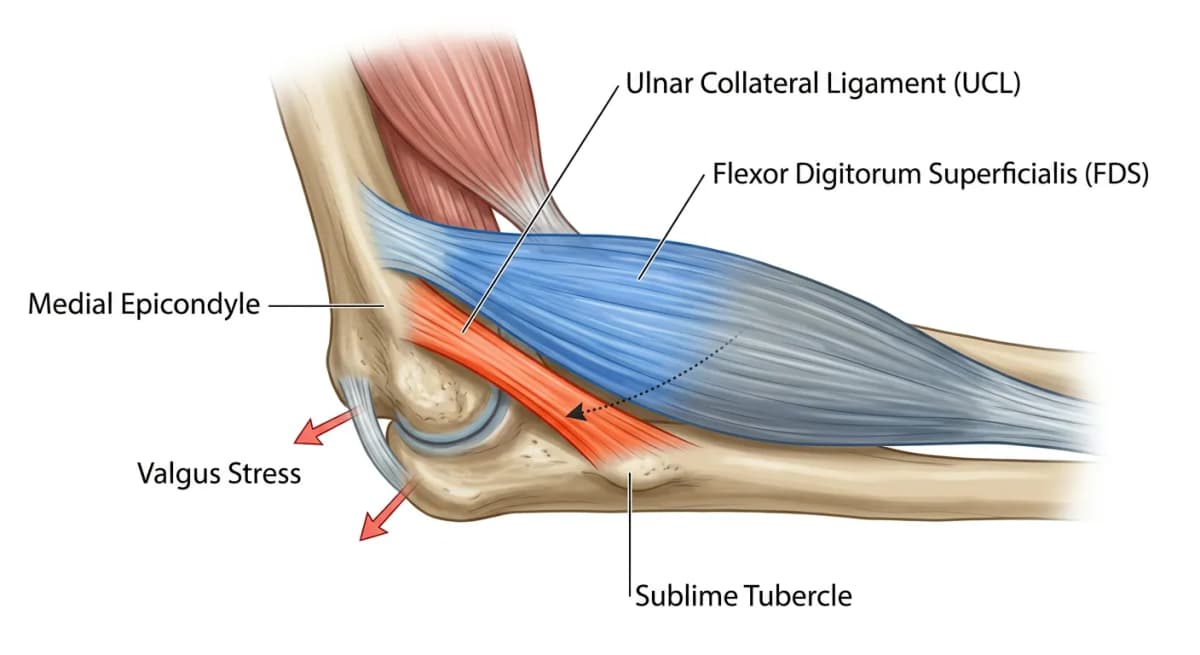
Can a Partial UCL Tear Heal Without Surgery?
Some partial UCL tears can return to high-level throwing without surgery. Tear location, tissue quality, symptoms, timing, and the demands of the athlete all change the answer.
 By Jason Modafari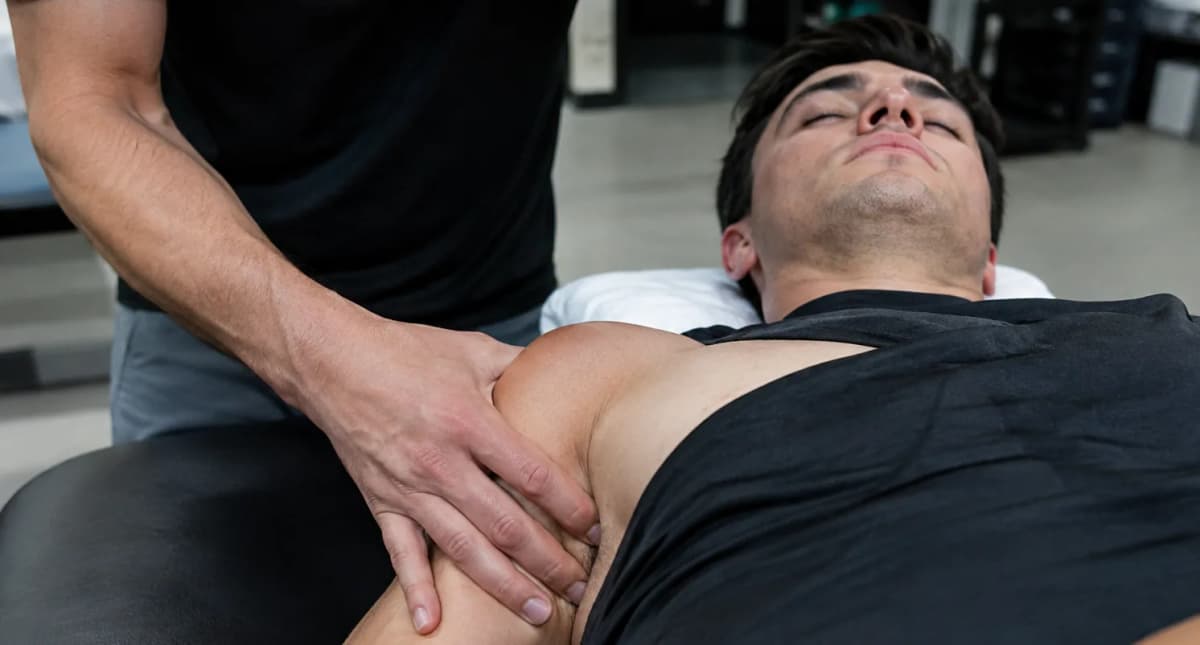
Dry Needling for Throwing Shoulder Pain: Creating a Better Window to Train
Dry needling can reduce pain and guarding in a throwing shoulder, improve motion, and make strength work more productive. We use that response inside a full return-to-throwing plan.
By Jason Modafari