Tommy John Surgery Rehabilitation
Tommy John rehab, built for return to performance.
We build throwing athletes back to full competitive output, velocity, command, and workload capacity, measured well past the point where most protocols stop.
KEY FACTS
- How long does Tommy John rehab take?
- Return to competitive throwing often takes roughly 12–18 months after reconstruction, though the procedure, position, and athlete response can shift the timeline. We use phase criteria alongside time to guide progression.
- When can an athlete start throwing after Tommy John surgery?
- Structured throwing often begins around months 4–5 after reconstruction. Some repairs and hybrid procedures may start earlier when the surgeon allows it and the athlete meets the relevant clinical criteria.
- Does Tommy John surgery make you throw harder?
- The procedure restores ligament stability; it does not create velocity. Any performance change after surgery may reflect training, recovery, mechanics, role, and many other factors.
- What is the re-injury rate after Tommy John?
- Studies report revision rates around 5–15%, depending on the population. Return-to-throw decisions still consider the procedure, symptoms, strength, workload, velocity, recovery, and role demands.
- What does the baseball Rehab Advantage Plan cost?
- In-person RAP tiers range from $160 to $320 per week based on scheduled one-on-one time. Remote management starts at $112.50 per week.
The Real Problem
The Surgery Usually Succeeds. Returning to Form Is the Harder Problem.
Your surgeon rebuilt your UCL. The graft is intact, the elbow is stable, imaging looks clean. Surgically, it was successful.
But when your surgeon tells you there is an 80-90% success rate, they are talking about “return to play”, which means appearing in at least one game. They are not talking about return to your prior level of performance, which means matching your pre-injury velocity, command, and production. Those are different things, and the gap between them is enormous.
Return to Play
Appeared in at least one MLB game after surgery
Return to Prior Performance
Matched pre-injury velocity, command, and production
Source: Mastroianni & Ahmad, American Journal of Sports Medicine, 2025. 129 MLB pitchers, 2017-2023.
After one full post-op season, fewer than 4 out of 100 MLB pitchers were performing at their pre-injury level. By season 3, still only 28. The problem is not a lack of resources. It is that most rehab protocols, at every level, are built around conservative timelines and ROM benchmarks rather than around getting pitchers back to performing.
The standard rehab protocol gets you throwing again. Pain-free, full range of motion, a long toss program that checks the boxes. But no one tracks whether your velocity came back, whether your pitch shapes held up, or whether your command is where it was before surgery. The protocol ends at “cleared to throw” and stops there.
Most protocols are finished once you are cleared to throw. Everything between that point and your pre-injury level: velocity, command, workload. Is what this program is built around.
That is the problem our Driveline Baseball Rehab Advantage Plan was built to solve. Rehab, performance training, and return to throw under one roof, managed by one team, measured against one standard: can you perform at your pre-injury level.
Done reading? Let's talk.
Free phone consultation. No insurance billing, no commitment. We are a cash-based practice because one-on-one care for 12+ months does not fit an insurance model. The first call is free.
Phase Progression
The 5-Phase Recovery Journey
Real timelines with objective benchmarks at every phase transition, not “when it feels ready.”
Phase 1:Protection & Early Motion
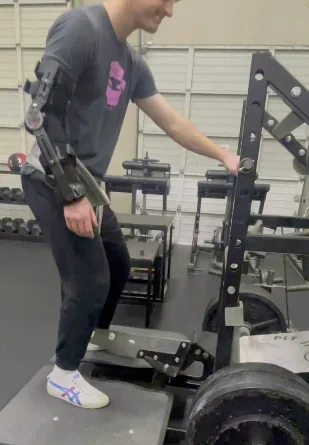
Approx. Weeks 0-6This phase follows the surgeon’s precautions and focuses on protecting the repair and restoring elbow motion. Grip, scapular, and lower-body work may begin as appropriate.
Gate to Next Phase
Full elbow ROM, grip strength baseline established
Phase 2:Strengthening Foundation
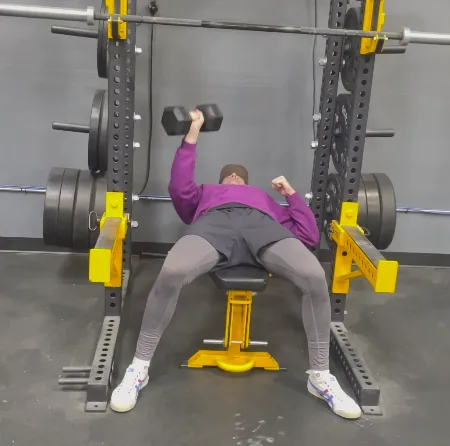
Approx. Weeks 6-12Forearm, wrist, shoulder, and total-body loading progress during this phase. Exercise selection and intensity depend on the procedure, current findings, and response.
Gate to Next Phase
Motion maintained and loading tolerated
Phase 3:Advanced Strengthening & Plyometrics
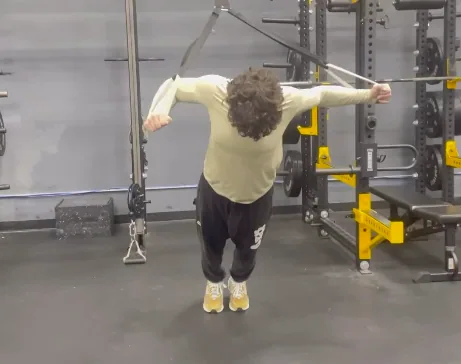
Often Months 3-5Upper-body plyometrics and light weighted-ball work may enter this phase. Strength, motion, symptoms, and response help determine when throwing preparation advances.
Gate to Next Phase
Strength and faster loading are tolerated
Phase 4:Return to Throwing
Procedure-DependentThe starting date follows the procedure and surgeon protocol. Once cleared, we build the throwing progression with PULSE workload data, planned velocity zones, constraint drills, and radar. In-person sessions or remote video review let us coach mechanics when a movement pattern is creating a specific problem. We move from controlled catch play into mound work as the athlete earns it; there is no separate flat-ground pitching phase.
Gate to Next Phase
Throwing response supports the next phase
Phase 5:Full-Effort Bullpens & Handoff
Often Months 9-14+Bullpen intensity, pitch mix, volume, weekly workload, and recovery are built toward the athlete's role. Strength and throwing response continue to inform progression. When appropriate, current information is shared with the team, private coach, or Driveline staff for the next performance phase.
Gate to Next Phase
Full-effort bullpen workload tolerated with stable recovery
Our Facility Advantage
Rehab Inside Driveline Baseball
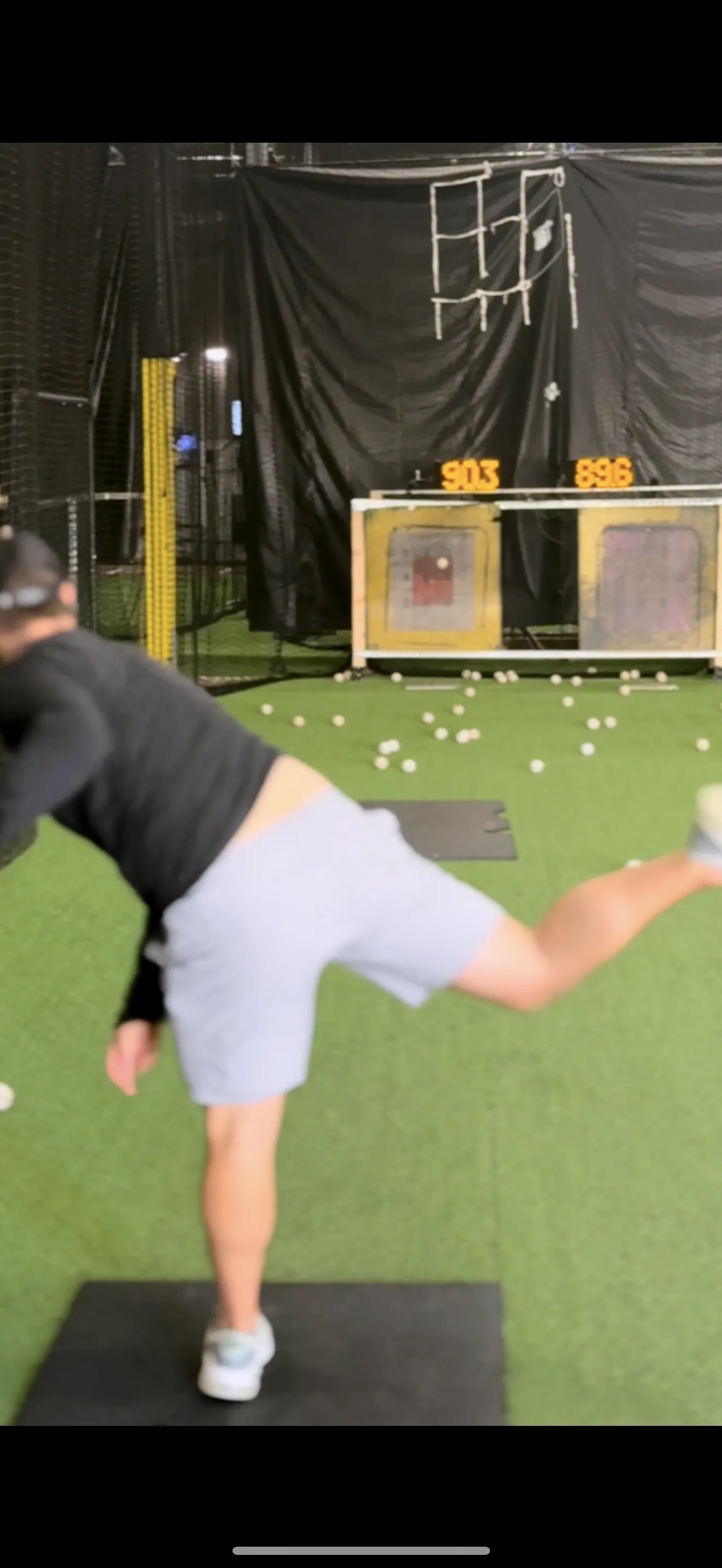
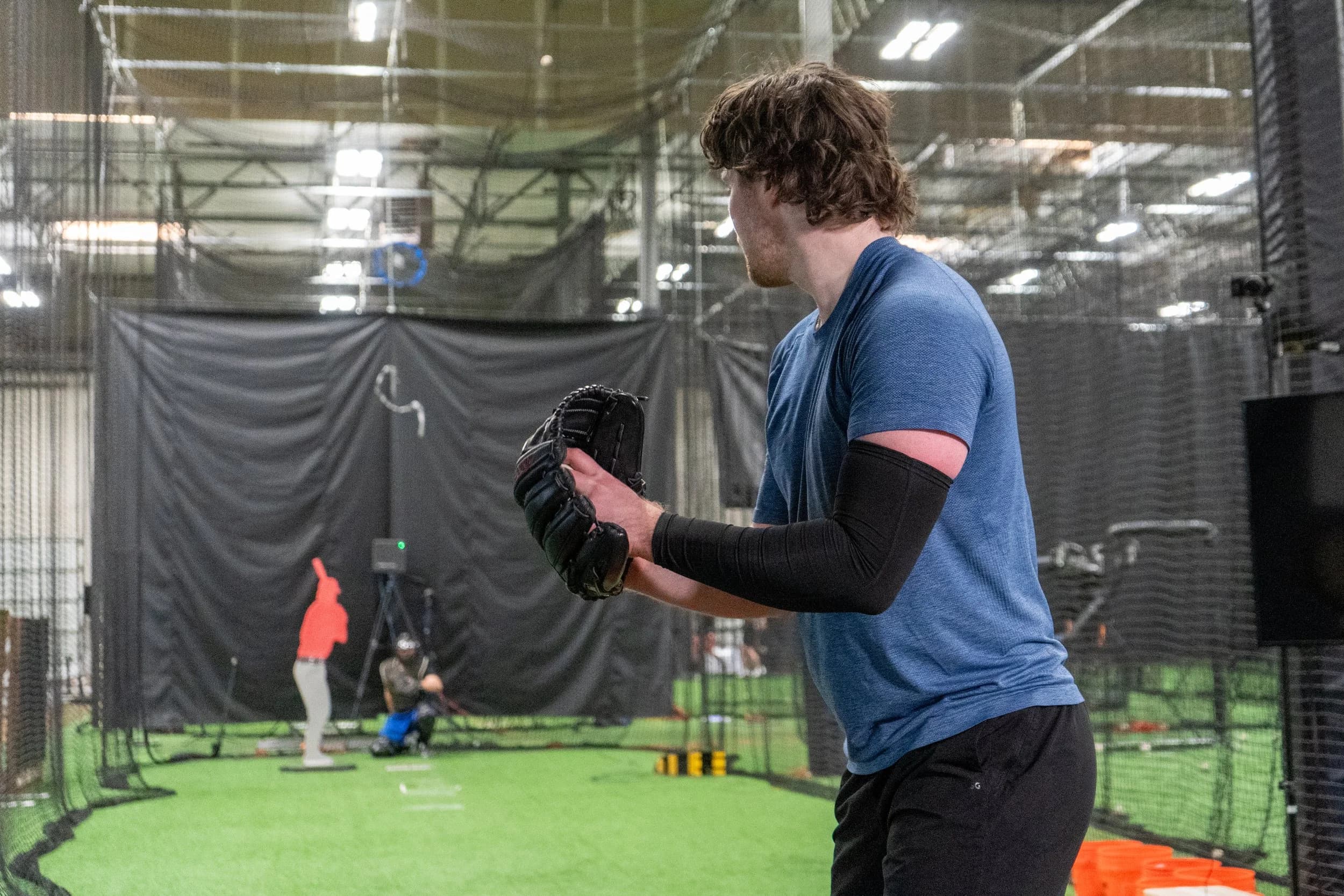
We do not rehab throwing athletes in a strip-mall clinic and then send them to a facility to throw. We are inside Driveline Baseball as part of our Driveline Baseball Rehab Program. The mounds, the cages, the weight room, radar guns, PULSE, ArmCare, FlexPro Grip, all of it is part of the rehab environment from day one.
When you start your return-to-throw program, you are not doing it in a hallway with a piece of tape on the wall. You are on the same mound you will compete from, with radar gun data and video analysis on every throw.
This means we track velocity on every throw and monitor workload through workload trends alongside symptoms, recovery, and strength. We use video to screen for specific mechanical faults that cause localized tissue irritation, not to chase an arm action aesthetic, but to flag patterns that put focal stress on healing tissue.
What we measure
The data infrastructure behind the rehab.
Velocity-gated progression and workload tracking only work if the measurement actually happens. Here's what we use, every session.
Stalker & Pocket Radar
Velocity zones across catch play, constraint drills, and mound work.

Driveline PULSE
Arm speed and throw counts. Daily and weekly load.
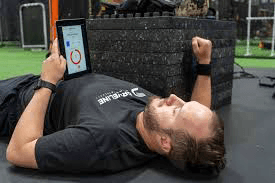
ArmCare
Isometric strength testing, IR, ER, scap. Tracks symmetry.
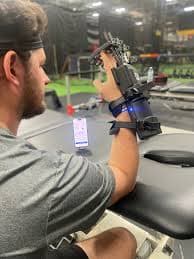
FlexPro Grip
Forearm capacity testing. The silent driver of elbow setbacks.
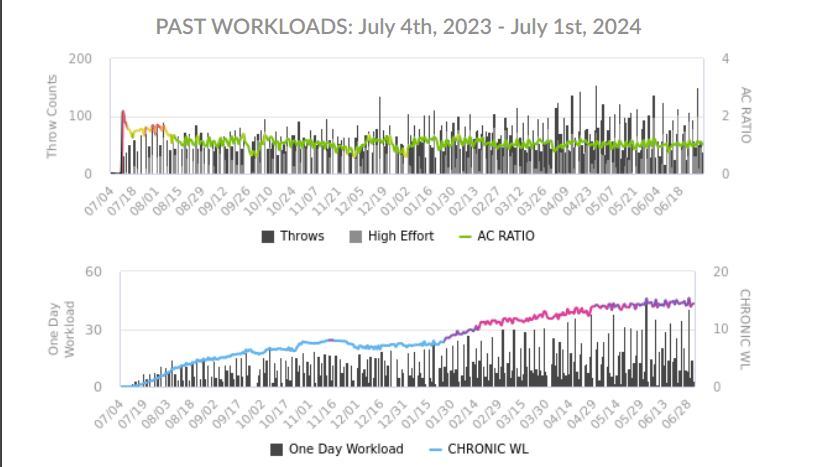
Workload tracking
A real Tommy John return-to-throw, charted day by day.
Daily throw counts, acute:chronic workload ratio, and the chronic load curve over a full year of rehab. Every spike flagged for review before the next progression.
Watch the Full Presentation
Redefining UCL Rehab
Dylan presented alongside Matt Fury, MD and the FlexPro Grip team at the Baseball Rehab Network, covering the data-driven guidelines we use from surgery through return to competition. The audience included MLB medical staffs, college programs, and private-sector clinicians.
This is the same framework behind every Tommy John rehab we run.
The Part Nobody Talks About
40% of return-to-play failures after UCL reconstruction are psychological (systematic review, 378 athletes). The graft heals on a fairly predictable timeline; the confidence to compete on it rarely follows the same curve.
Early on, you are stuck in a brace watching your teammates play, wondering when this starts feeling like progress. When you pick up a ball for the first time, the anxiety is real. Then the first bullpen. Then the first pitch that does not feel right, and your brain goes straight to the worst-case scenario.
There are ups and downs for months. Your velo jumps one week and stalls the next. You wonder if something is wrong. You worry about falling behind your timeline, about re-injury, about whether you will feel the same on the mound again.
In high school athletes, 62.5% of those who failed to return to play cited psychological reasons. Loss of interest was the most common. The mental side of this rehab runs from day one through your last competitive outing.
“You will have
flat weeks.
We plan for them.”
We have walked athletes through every phase of this. We know when the doubt shows up, what triggers the anxiety, and how to keep you moving forward when the process feels stalled.
Every session is one-on-one. We are with you the entire rehab, not just the physical work. When something does not feel right, you have someone in the room who has seen it before and can tell you what it means.
Pitchers we've worked with
Back to the mound. In their words.
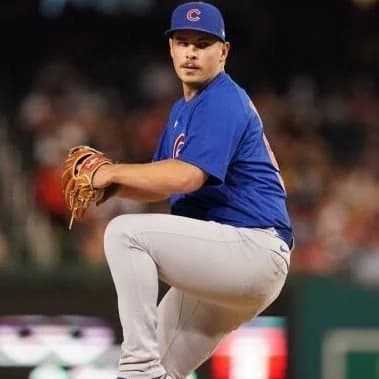
Michael Rucker
MLB, RHP
“After finishing early rehab from Tommy John surgery, I knew I needed a place that went beyond the basics. Athletic Potential built a fully customized return-to-throw plan and continued rehab/performance program around my needs. The process was collaborative from start to finish, and I surpassed my goal, with my fastball back to 96 mph with my offspeed and breaking balls looking sharp.”
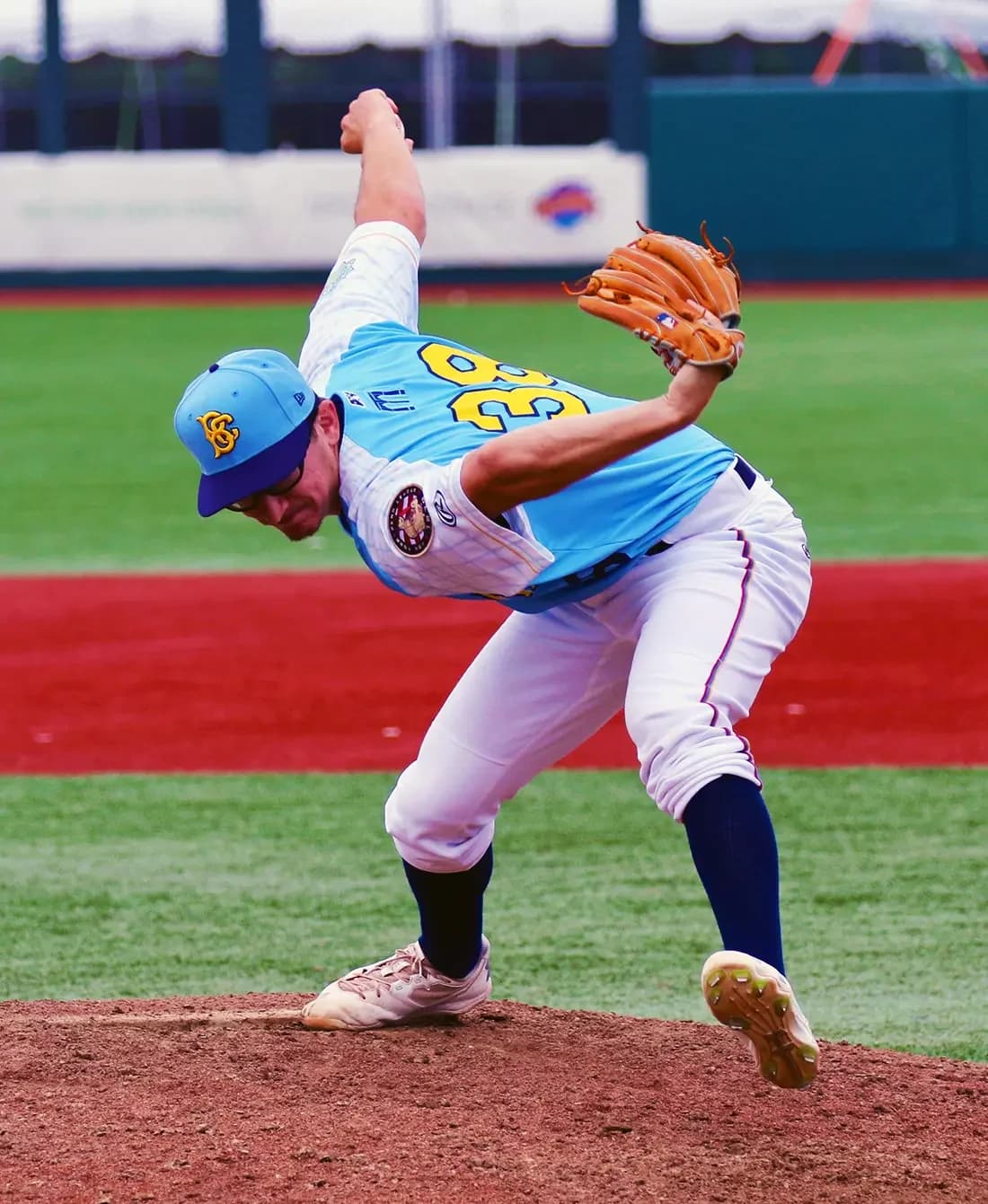
Josh Hejka
Minor League, RHP
“I had the privilege of rehabbing from Tommy John surgery with Athletic Potential. The rehab process was rigorously data-driven and helped ensure I was on-track and maximizing my time in rehab. I came out stronger than I have ever been. The combination of excellent rehab, strength work and custom return to throw helped me get back to the minor leagues hitting velocity PRs in my first year back.”
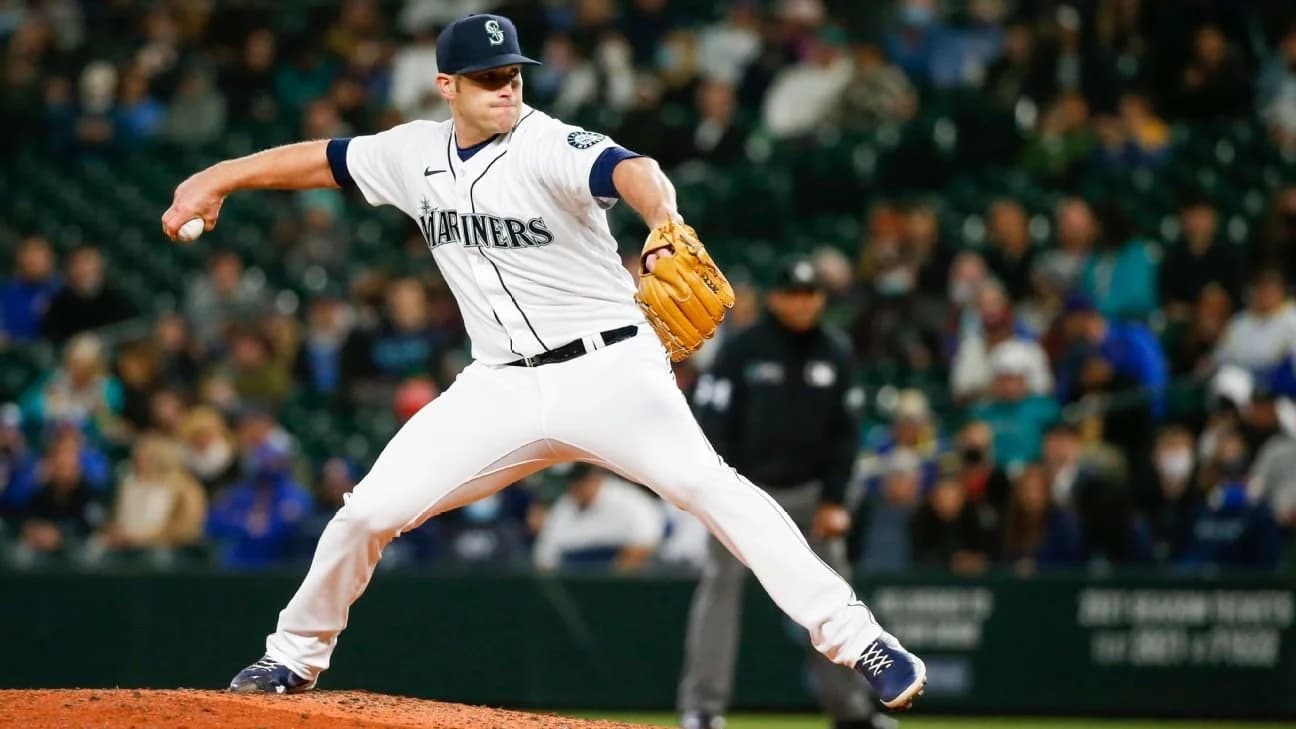
Casey Sadler
Mariners, RHP
“The expertise and personalized approach provided were pivotal during a critical moment in my career. The tailored rehab strategies and unwavering support not only addressed my specific deficits but also bolstered my confidence, guiding me through a challenging recovery. The commitment and innovative techniques stood out when traditional methods fell short.”
Why Athletes Choose This Program
Velocity-Based Progression
Radar, throwing volume, and workload data may be used to describe a session. Velocity adds useful context because it relates to throwing demand, but it is considered with symptoms, recovery, and clinical findings.
Tissue Capacity Building
Progressive forearm, shoulder, and total-body loading may help rebuild capacity for throwing. Workload, symptoms, recovery, strength, and velocity trends are reviewed together as game demands return.
Objective Benchmarks
Phase transitions may consider dynamometry, range of motion, power, symptoms, and training response. No single measure makes the decision.
Total-Body Training
You throw with your legs, core, and shoulder. Your rehab addresses all of it from week one. Lower body and rotational power training runs parallel to arm recovery.
One-on-One Sessions
No rotating between three patients. No aide running your exercises. Every session is one-on-one with a DPT who specializes in throwing athletes.
Return-to-Compete Protocol
"Cleared to throw" and "ready to compete" describe different stages. Velocity, workload trends, recovery, and role-specific exposure may help guide the later progression.
This Program Is Built For
- ✓A velocity-based return-to-throw program tracked with radar on every session
- ✓Regular testing to clarify progress and the next phase
- ✓One-on-one sessions with a DPT who specializes in throwing athletes
- ✓Total-body strength training from week one, not just elbow exercises
- ✓A plan that runs through return to competition, not just return to throwing
- ✓Remote programming available if you are not local to Kent WA or Tampa FL
This Might Not Be the Right Fit If
- ✕You are looking for insurance-based PT with 3 patients at once
- ✕You want to skip phases to meet an arbitrary deadline
- ✕You are a non-throwing athlete (we have other programs for that)
- ✕You need post-surgical care only and have no interest in return-to-throw
Ready to talk about your recovery plan?
Book a Free ConsultRelated Conditions
Tommy John recovery
FREQUENTLY ASKED QUESTIONS
If you're deciding whether this fits, start here.
What it costs
The Rehab Advantage Plan.
PT, throwing program, lifting program, Driveline gym access, and between-session DPT access, all on one schedule.
Tier 1
2 × 30 min or 1 × 60 min weekly
$160per week
60 minutes of one-on-one care each week
Tier 2
2 × 45 min or 3 × 30 min weekly
$240per week
90 minutes of one-on-one care each week
Tier 3
3 × 45 min weekly
$320per week
135 minutes of one-on-one care each week
PT visits, strength programming, and daily gym access are included. Custom return-to-throw programming is added when you are ready. No fixed-term commitment.
INDIVIDUAL VISITS
Tune-ups, second opinions, and care between plans. No commitment.
See individual visit details- $135
- 45-minute visit
- $180
- 60-minute evaluation or extended visit
HSA and FSA cards are accepted for eligible expenses. Eligibility and reimbursement depend on the plan and service. Superbills may be available for eligible PT visits. Program fees are not PT encounters.
Both run with Dylan in Kent, WA or Jason in Tampa, FL. We are a cash-based practice, and superbills may be available for eligible PT visits. Authorized workers' compensation may be available for eligible MLB, MiLB, and some independent-league cases.
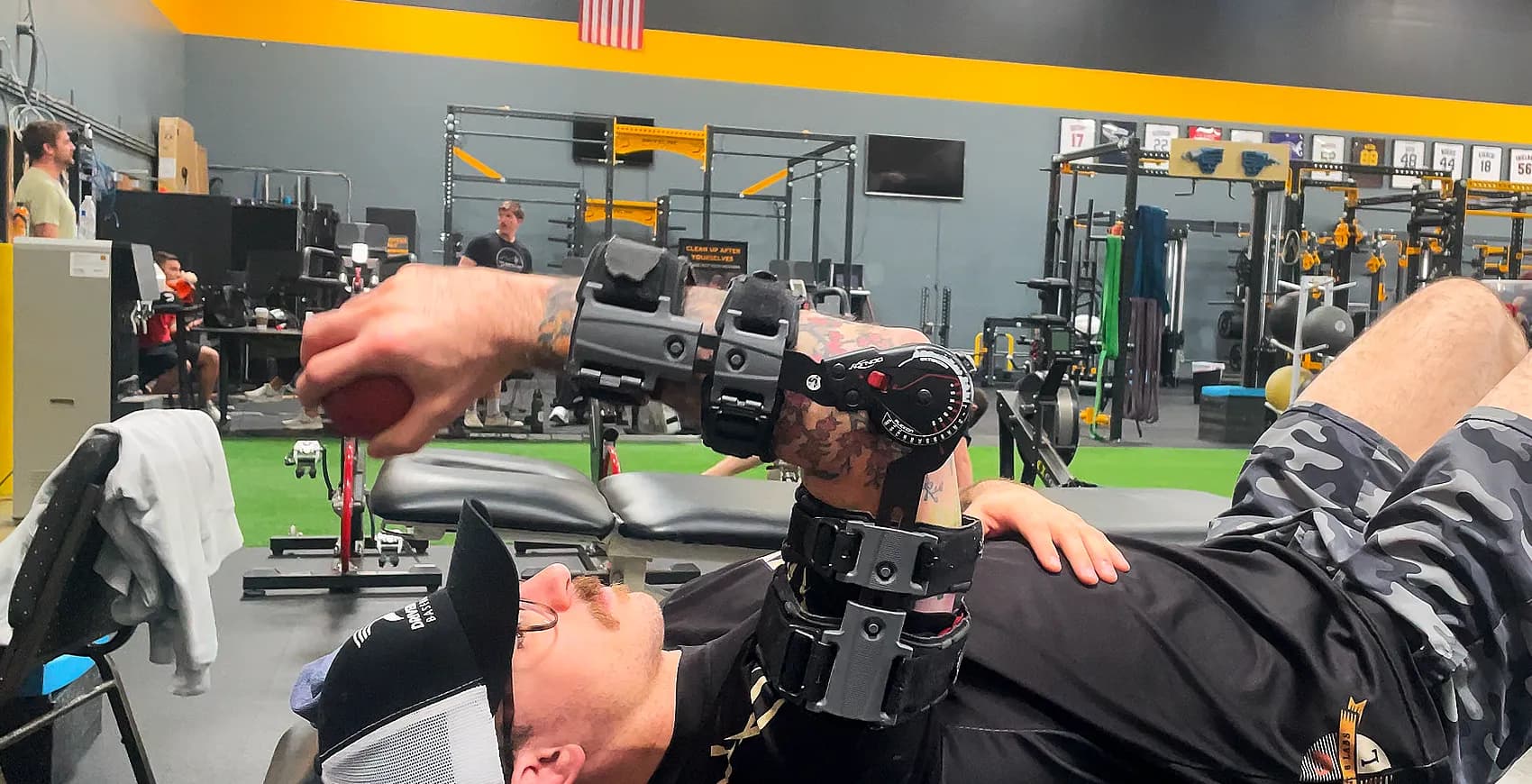
Ready to Start Your Comeback?
One week post-op or six months into a program that is not working. Does not matter where you are starting from. The first step is a free phone call with Dylan to talk through where you are and what the path forward looks like.
Fill out the form and we will follow up to discuss the next step. We are a cash-based practice, and superbills may be available for eligible PT visits.
Also available at our Tampa Bay location with Jason Modafari, DPT.