THE BLOG
Insights on sports physical therapy, injury rehab, and performance training from the Athletic Potential PT team.
Articles 28 to 36 of 50
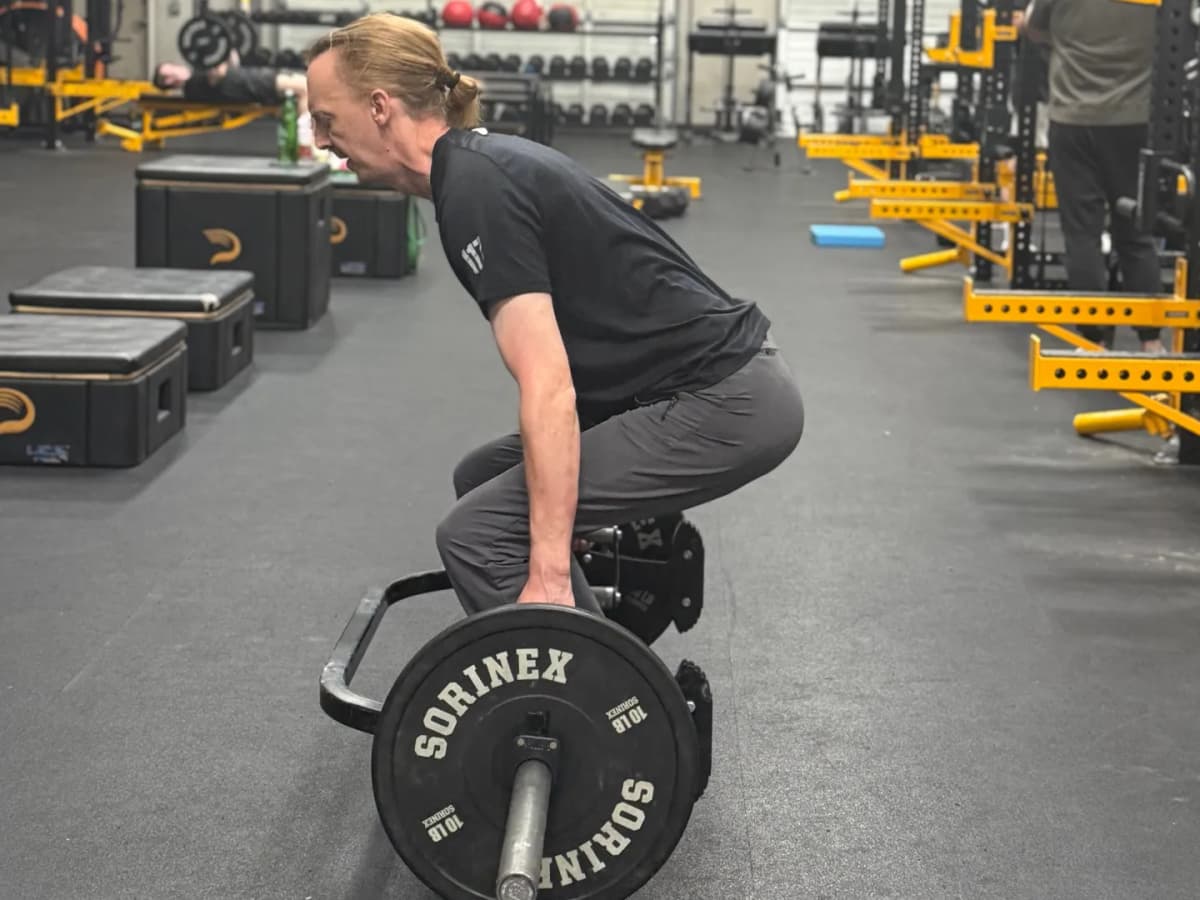
Pain Relief Is the First Step Back to Sport
Pain relief can restore motion, confidence, and the ability to train. We use that early win to rebuild the force, speed, and workload tolerance required for sport.
 By Jason Modafari
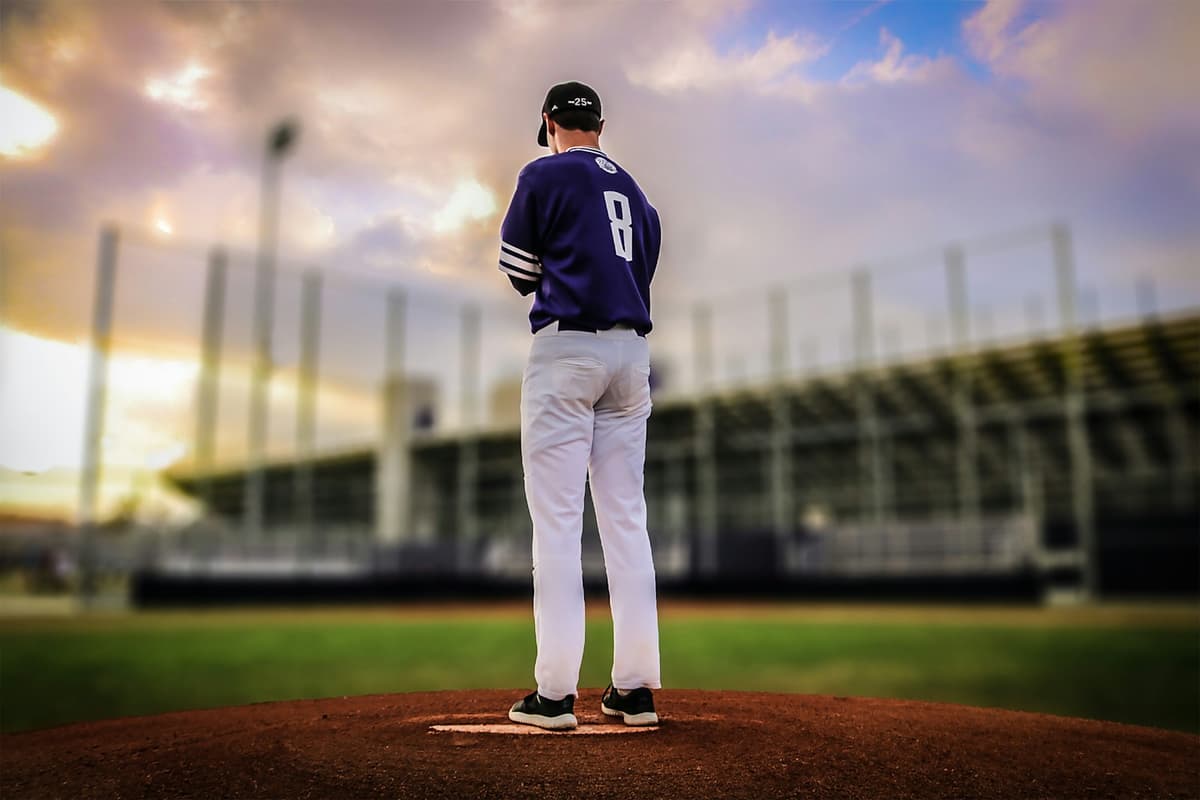
Valgus Extension Overload in Pitchers: Symptoms, Rehab, and Return to Throwing
Posteromedial elbow pain during hard throwing can reflect valgus extension overload. Rehab must address joint irritability, force capacity, throwing load, and associated UCL problems.
By Jason Modafari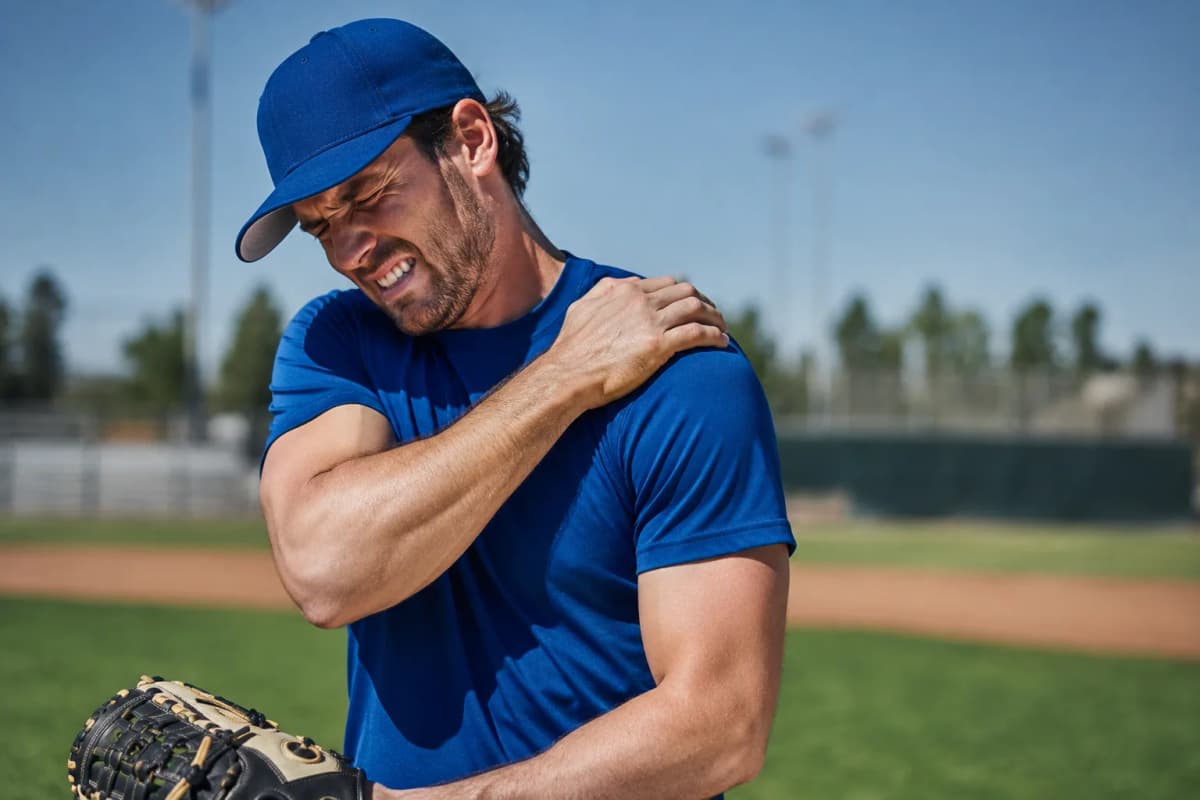
Why Does My Shoulder Hurt After Pitching?
Post-pitching shoulder pain can reflect workload fatigue, rotator-cuff or biceps irritation, instability, joint injury, or a neck and nerve problem. Timing and recovery shape the differential.
 By Dylan Newcomer
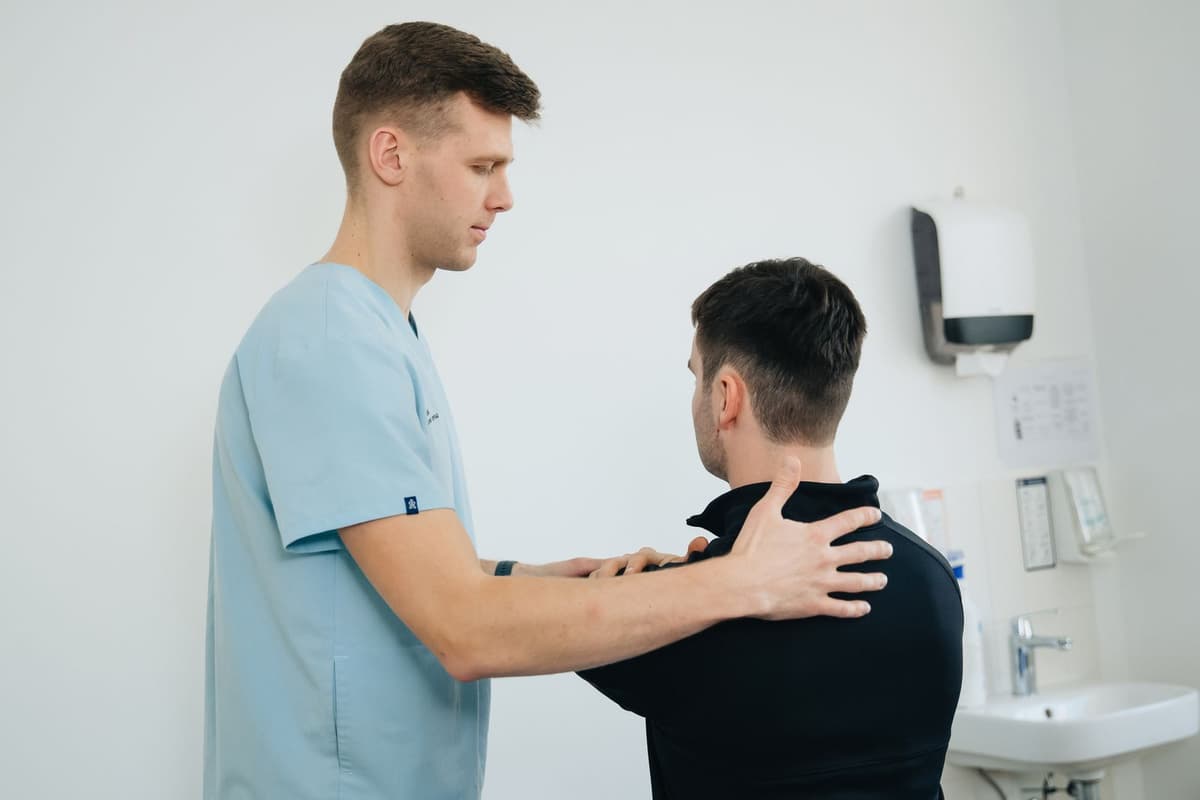
Manual Therapy and Strength Training: Why Sports Rehab Often Needs Both
Manual therapy can reduce pain, improve motion, and make a difficult movement feel possible again. We use that opening to build strength and return the athlete to full speed.
By Jason Modafari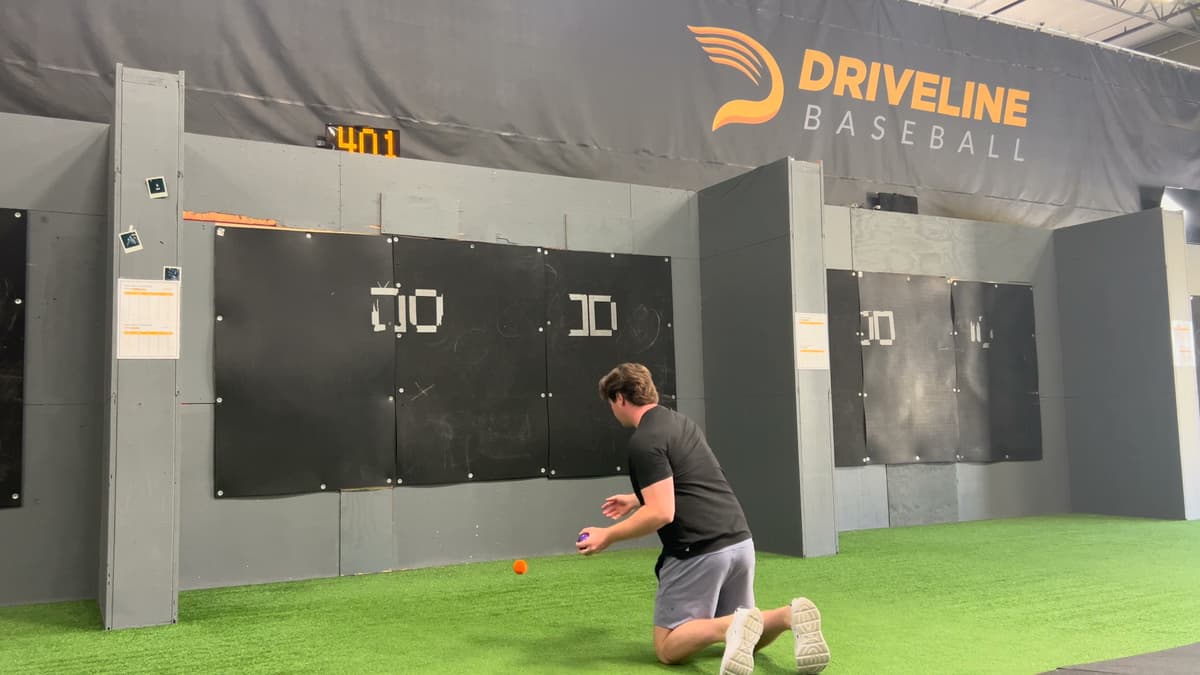
Rotator Cuff Strength for Baseball Players: What Actually Matters?
Pitchers need more than band external rotations. Useful cuff training develops force in several positions, speed, deceleration capacity, and the ability to repeat effort around throwing.
By Jason Modafari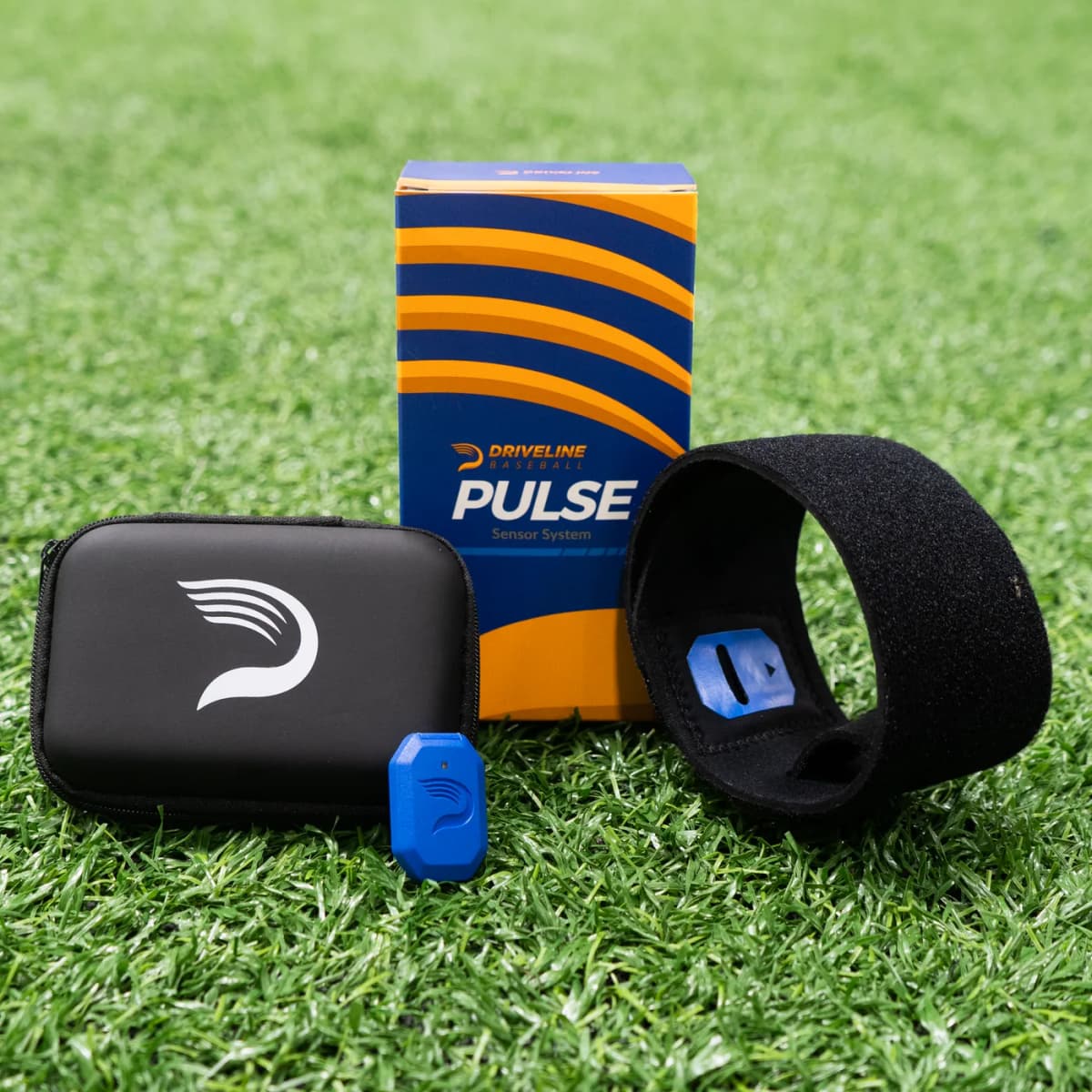
Shoulder Strength Testing for Pitchers: What We Measure and Why
Shoulder testing should quantify force in repeatable positions, compare meaningful baselines, expose fatigue, and help decide what to train and when to progress throwing.
By Dylan Newcomer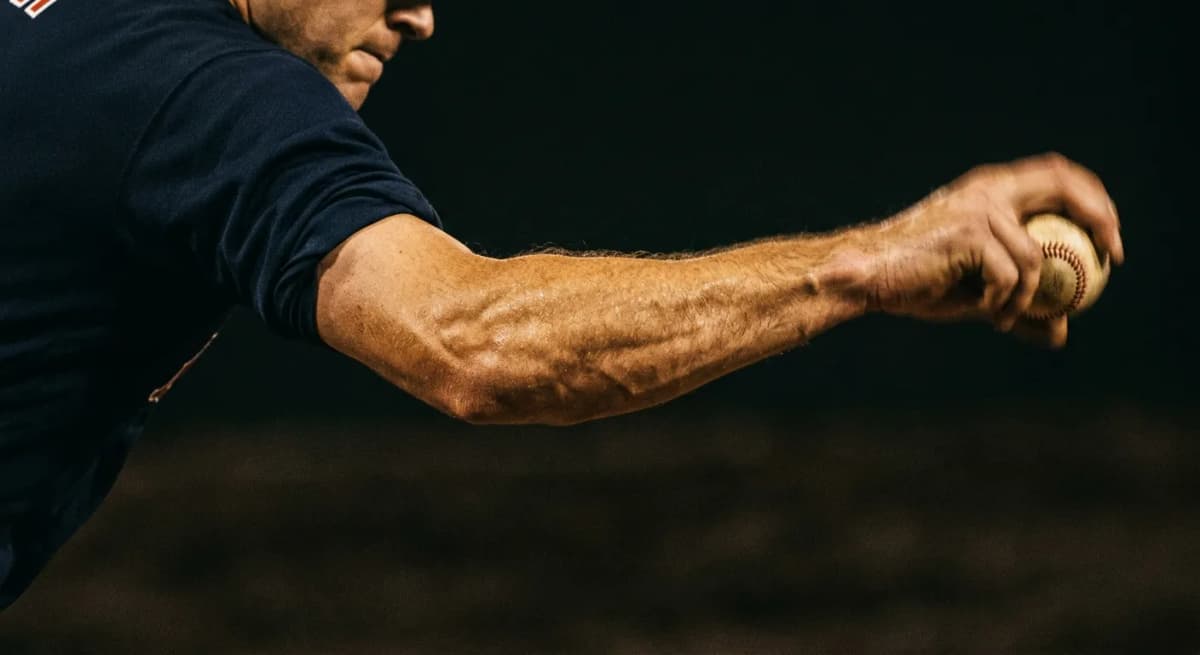
Your Muscles Fail Before Your UCL Does: The Deep Science of Tommy John
The UCL doesn't blow out in isolation. It fails when the muscles protecting it can no longer do their job — whether they yield from fatigue or lock from damage. Here's exactly what happens inside the elbow, pitch by pitch.
By Dylan Newcomer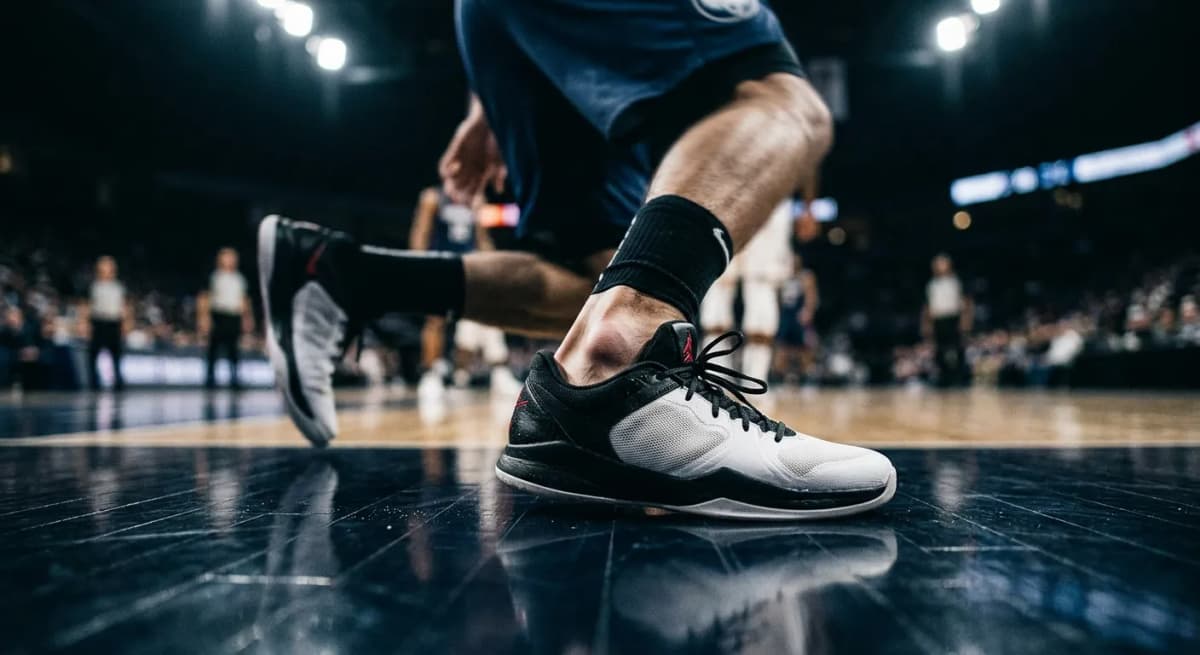
The Ankle Sprain You're Still Paying For
A 'minor' ankle sprain is also a brain injury, a muscle inhibition problem, and the starting gun for osteoarthritis. The standard of care makes it worse.
By Dylan Newcomer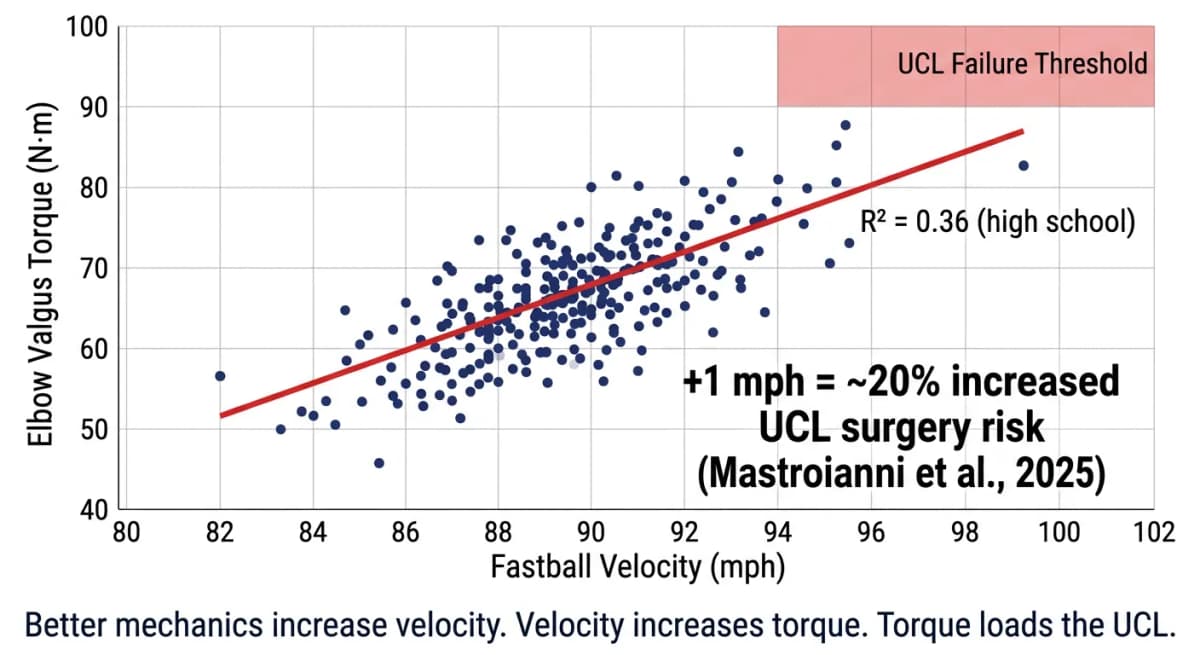
How Fast Should Throwing Velocity Progress During Rehab?
Velocity should rise in planned bands after the athlete tolerates the current dose. Radar data, volume, symptoms, mechanics, and next-day recovery belong in the same decision.
By Jason Modafari