MANUAL THERAPY AND STRENGTH TRAINING: WHY SPORTS REHAB OFTEN NEEDS BOTH
The short version
Manual therapy can reduce pain, improve motion, and make a difficult movement feel possible again. We use that opening to build strength and return the athlete to full speed.

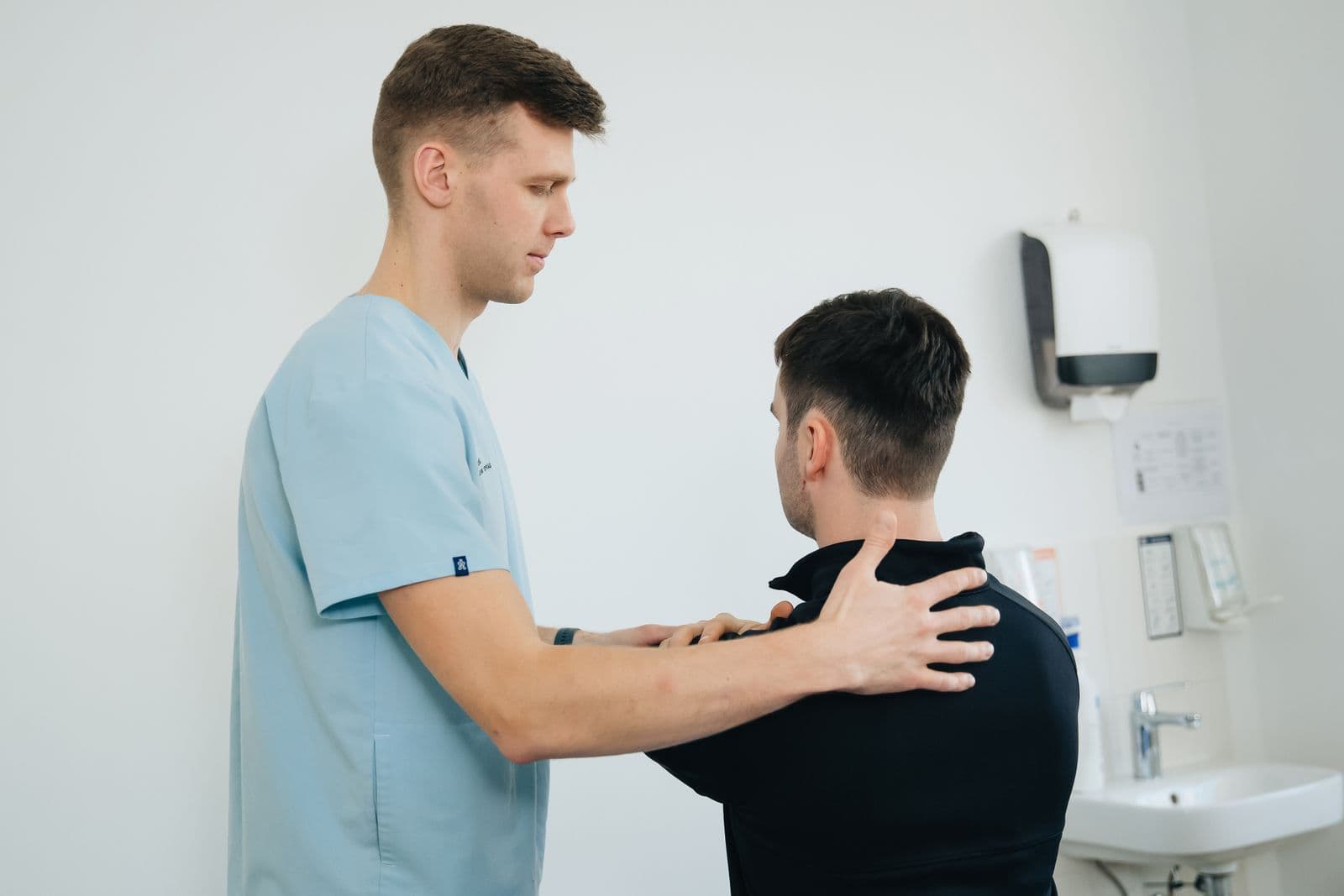
Table of Contents
- What Manual Therapy Can Do
- What Strength Training Does Differently
- Why the Combination Works Well in Practice
- A Practical Sequence
- Dose Manual Therapy Like Any Other Intervention
- Strength Training Has to Become Specific
- Use Test-Retest Beyond the Treatment Table
- What Good Manual Therapy Looks Like
- How We Use It
Pain changes how people move. An athlete who expects a sharp catch in the front of the shoulder or a pinch at the ankle will guard, shorten the motion, and stop producing force through that position.
Skilled manual therapy can change that experience within a session. Pain settles. Motion opens. The athlete trusts the movement a little more. We then use the better movement to train, because the first few repetitions after a change often matter more than another ten minutes on the table.
What Manual Therapy Can Do
Joint mobilization, manipulation, and soft-tissue techniques can change symptoms or motion in the short term. They may also make a loaded task feel safer and more comfortable. That matters when pain has kept someone from squatting, pressing, throwing, or running normally.
The proposed mechanisms are broader than moving a joint or stretching tissue. Manual pressure creates sensory input that can affect pain processing in the treated area, the spinal cord, and higher centers of the nervous system. A 2025 review of manual-therapy mechanisms found evidence for neurological, neurovascular, and neurotransmitter responses, while acknowledging that no single mechanism explains every patient's response.
The practical benefit is easy to understand. If an athlete leaves the table with less pain and better motion, we have a better starting point for the work that follows.
What Strength Training Does Differently
Progressive resistance exposes muscle, tendon, bone, and the nervous system to increasing demand. Over time, it builds force and prepares the body for work that hands-on care cannot reproduce.
Strength also needs specificity. A pitcher needs the forearm and shoulder to produce force quickly and repeatedly. A field athlete needs high-force lower-body work and eventual sprinting and cutting. A generic three-set circuit is only a starting point.
Why the Combination Works Well in Practice
Systematic reviews often find benefits for manual therapy plus exercise in selected conditions, including a 2025 network meta-analysis for chronic neck pain. An umbrella review also found a small-to-moderate effect on mechanical pain sensitivity in people with chronic musculoskeletal pain.
The two parts of care solve different problems. Manual therapy can make movement more comfortable now. Strength work, jumping, sprinting, and throwing teach the body to tolerate the forces that sport will demand later. Pairing them gives an athlete both an immediate win and a path forward.
A Practical Sequence
Suppose an athlete cannot squat comfortably because ankle pain and guarding limit dorsiflexion. A manual technique creates an immediate improvement. The next step is to load the available range with calf work, split squats, and a graded return to running or cutting.
For a throwing shoulder, hands-on care may improve motion or pain. The athlete then trains cuff force and begins the appropriate throwing exposure. If the change disappears before it affects training, we reconsider the technique or its dosage.
Dose Manual Therapy Like Any Other Intervention
The amount should match the goal. Five focused minutes that improve a restricted task may be more useful than most of a visit spent chasing every tender spot. Reassessment tells us whether the dose was enough.
Frequency should also change. Early in an irritable episode, a short-term symptom intervention may be used more often. As the athlete gains control and capacity, the plan should rely less on clinician-delivered input and more on work the athlete can reproduce independently.
Strength Training Has to Become Specific
“Strengthen the area” is not a complete prescription. We choose exercises and loading variables based on the tissue and the eventual task. Tendon rehab may need sustained heavy force before faster elastic work. Postoperative muscle inhibition may call for electrical stimulation and basic force production. A pitcher needs high-rate arm work and throwing exposure; a soccer player needs sprinting and cutting.
Progress is also constrained by total workload. Adding a demanding gym session on top of full practice may be too much even if every exercise is appropriate in isolation.
Use Test-Retest Beyond the Treatment Table
Immediate change can tell us whether a technique affects symptoms or motion. The week-to-week test is more important. Is force rising? Is practice volume increasing? Are flares smaller and recovery faster? Can the athlete do more without needing the same treatment to feel “aligned” again?
If those markers stall, we revise the diagnosis, the load, or the role of manual care. Repeating a familiar treatment is not progress by itself.
What Good Manual Therapy Looks Like
Good manual therapy has a reason, a target, and a follow-up test. We might use it to improve shoulder rotation before cuff training, calm an irritable ankle before a loaded split squat, or make a painful tendon easier to load. Then we repeat the movement that mattered.
Relief should lead somewhere. Week by week, the athlete should need less help from the table because strength, confidence, and workload tolerance are taking over.
How We Use It
At Athletic Potential, manual therapy, dry needling, cupping, ARPwave, or shockwave may be used when a specific tool fits the athlete in front of us. We look for a change we can see or measure, then put that change to work with strength, speed, workload, and sport practice. Care is available in Kent, Washington and Tampa, Florida.
Manual therapy opens a useful window. Our process makes sure that window leads back to performance.
THE NEXT STEP
See how hands-on treatment, progressive strength work, and return-to-sport planning fit into one rehabilitation process.
Explore Sports Physical TherapyRELATED POSTS
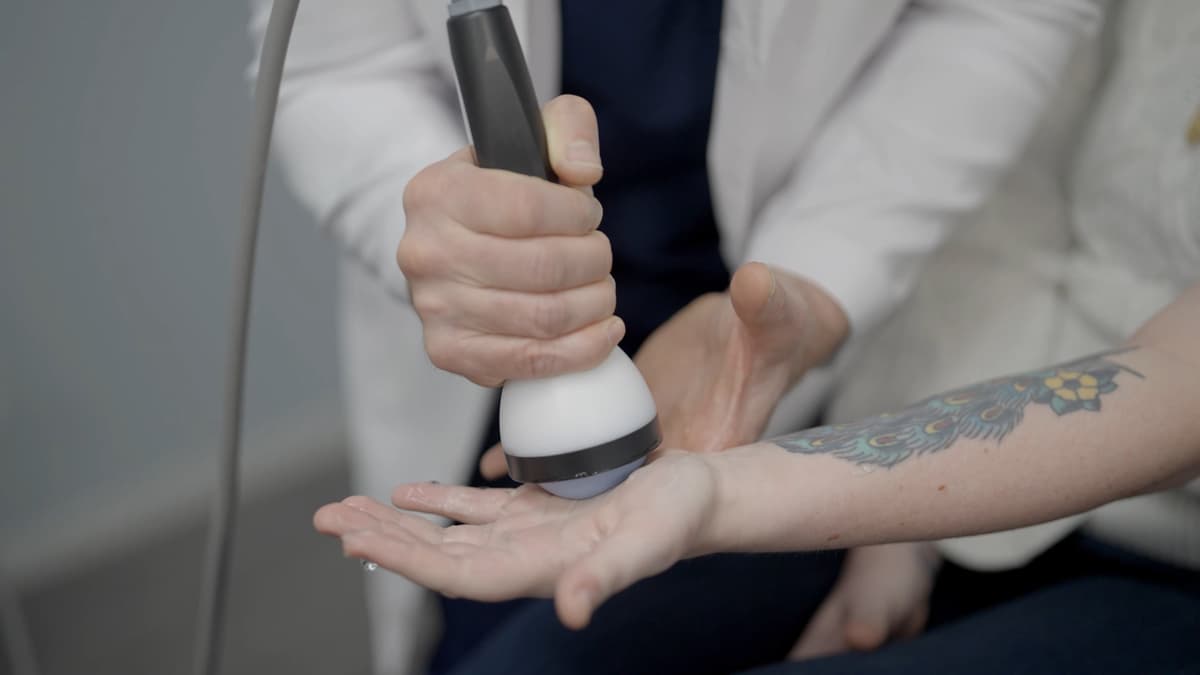
Shockwave Therapy for Tennis and Golfer's Elbow
Shockwave can reduce persistent elbow tendon pain and improve grip tolerance. We combine it with wrist, grip, and forearm loading that prepares the arm for work or sport.

 By Dylan Newcomer and Jason Modafari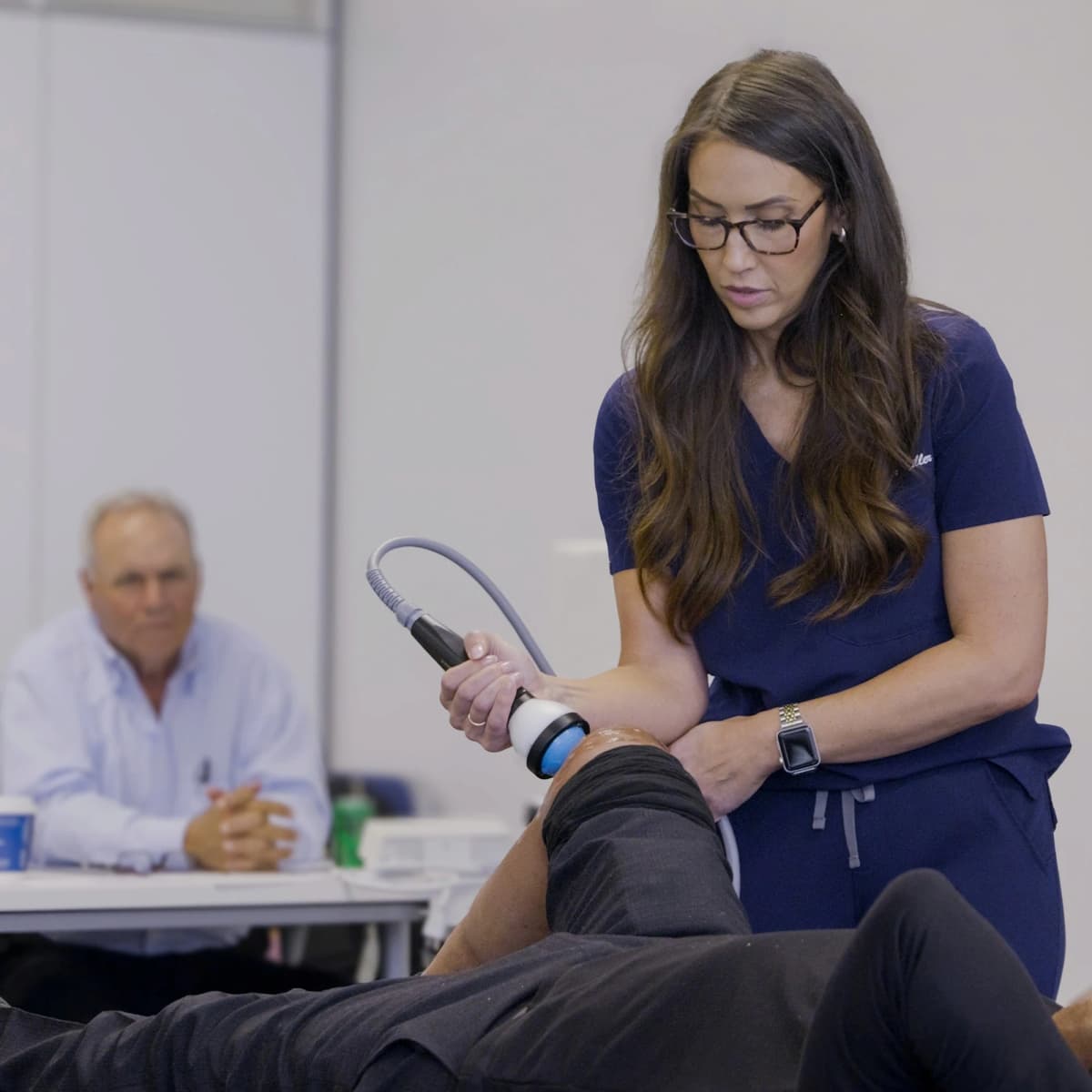
Shockwave Therapy for Achilles and Plantar Fascia Pain
Shockwave can reduce pain and improve function in selected Achilles and plantar heel conditions. We pair it with calf, foot, and running progressions so the relief carries into daily life and sport.
By Dylan Newcomer and Jason Modafari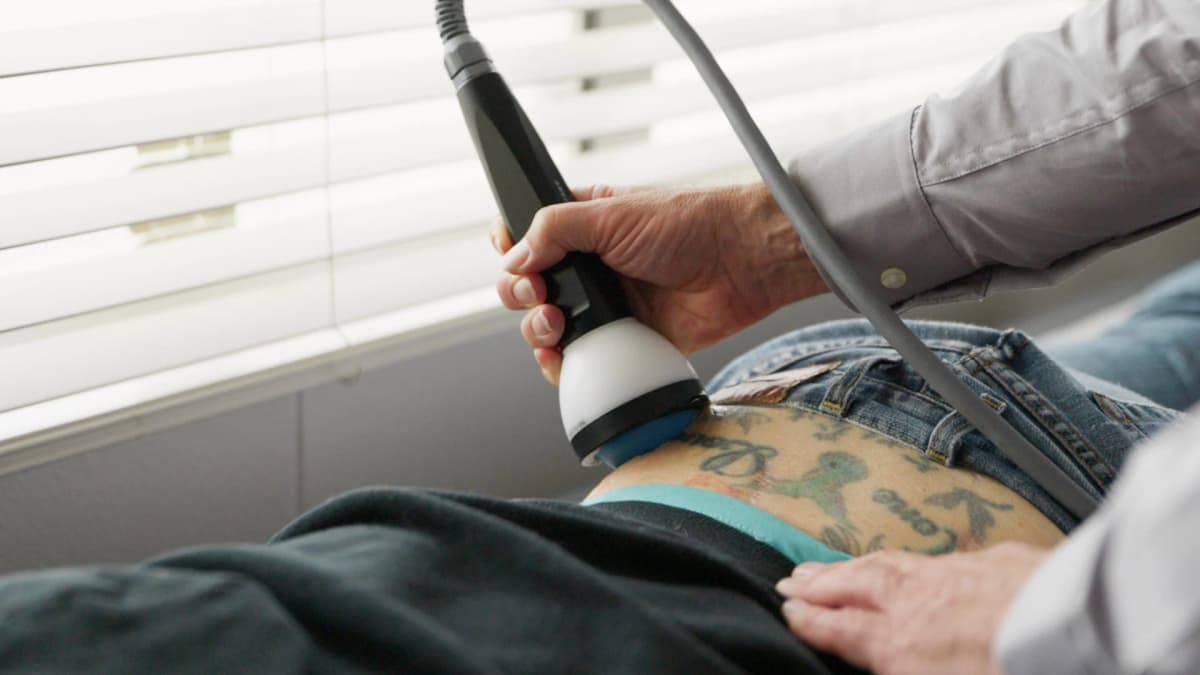
Shockwave Therapy for Chronic Tendon Pain: How It Can Restart Progress
Shockwave gives a stubborn tendon a focused mechanical stimulus that may reduce pain and support tissue remodeling. We pair it with progressive loading to turn symptom change into better function.
By Dylan Newcomer and Jason Modafari