PAIN RELIEF IS THE FIRST STEP BACK TO SPORT
The short version
Pain relief can restore motion, confidence, and the ability to train. We use that early win to rebuild the force, speed, and workload tolerance required for sport.

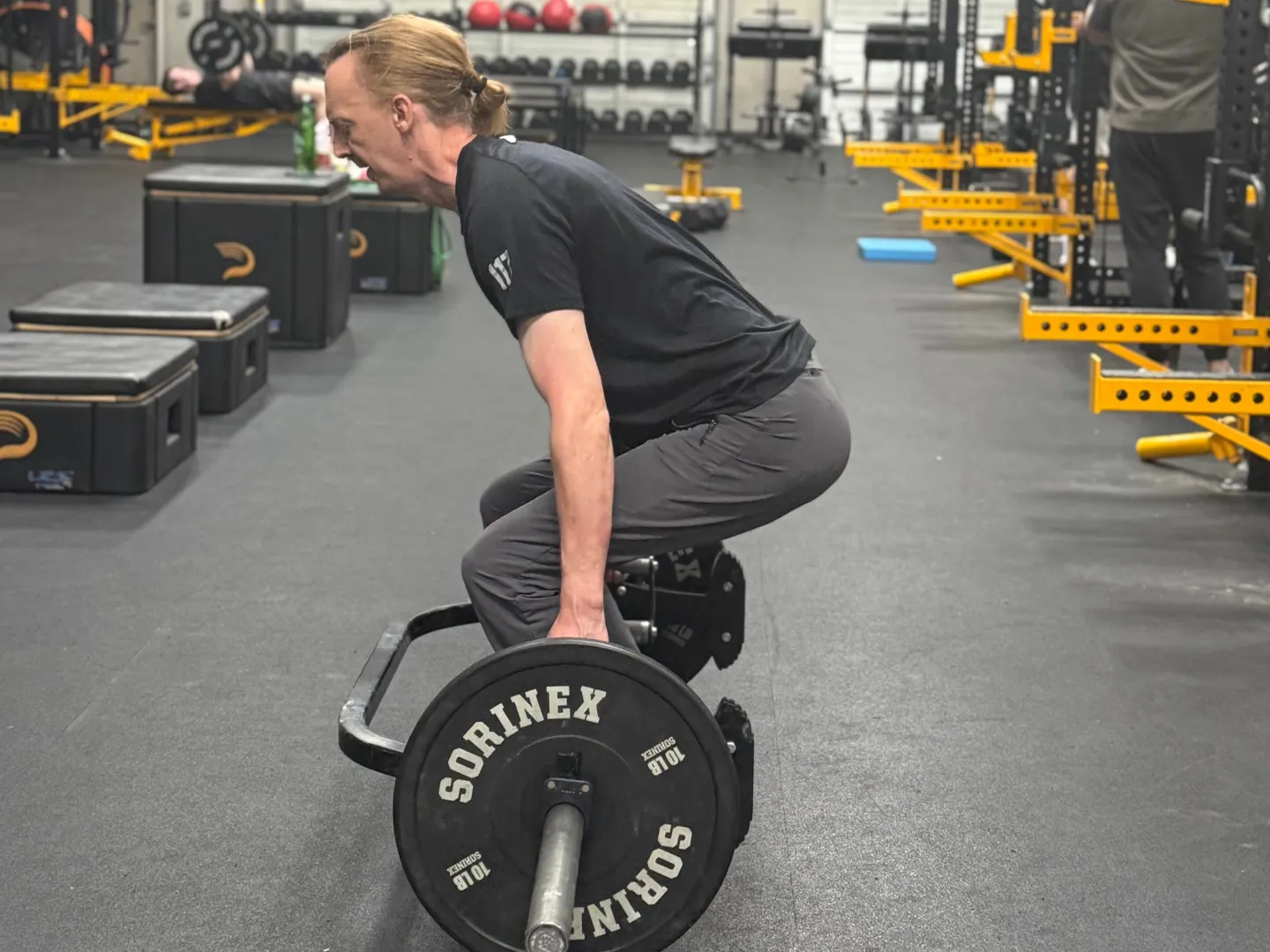
After weeks of guarding every step, throw, or lift, pain relief is a big deal. It restores sleep, confidence, and the willingness to move. Sometimes it changes the whole direction of a rehab session.
We want that early win. Then we put it to work.
An athlete may feel better before the body has rebuilt its old workload. Manual therapy or a modality can settle symptoms quickly, while strength and sport exposure take more time. Our process connects those two timelines.
Pain Relief and Readiness Move at Different Speeds
Pain can limit force and movement. Reducing it may let an athlete train more normally. At the same time, weeks away from sport can reduce strength, speed, and tolerance even after symptoms settle.
That creates a common trap: the athlete feels good in daily life, returns to full practice, and reproduces the problem because the jump in demand is too large.
Modalities Can Create a Window
Manual therapy, dry needling, cupping, shockwave, and electrical stimulation can change symptoms for selected patients. A painful joint may move farther. An inhibited muscle may produce a stronger contraction. A stubborn tendon may tolerate loading with less pain.
That window can change the whole session. We train the new range while it is available, add force to the muscle that is finally contracting well, or begin the next step in a running or throwing progression. Repeated often enough, the athlete starts to own the change between visits.
What Completion Actually Requires
The target depends on the sport, but the categories are consistent:
- enough range of motion for the task
- force in relevant positions
- power and rate of force development
- repeated-effort capacity
- tolerance of practice volume and intensity
- confidence built through successful exposure
A runner needs running. A pitcher needs throwing. A field athlete needs acceleration, deceleration, and cutting. Gym strength supports those tasks but does not replace them.
Measure What Matters to the Athlete
Pain scores are worth tracking. So are force, hop or jump performance, sprint exposure, throwing velocity, pitch volume, range of motion after training, and next-day recovery.
The right measures keep treatment honest. If pain is lower but performance capacity has not moved, the program has more work to do.
Use a Capacity Ladder
A useful plan moves from the simplest version of the task toward the real one. For a hamstring injury, that may look like isometric force, heavy lengthened strengthening, submaximal running, faster sprint exposures, and finally repeated sprinting under practice fatigue. For a shoulder, it may progress from controlled resistance to plyometrics, throwing, mound work, and competition.
Each rung answers a question. Can the tissue tolerate this force? Can it tolerate speed? Can it repeat the effort? Does it recover before the next session? Skipping several rungs because pain is gone turns practice into the test.
How We Interpret Pain During Rehab
Zero pain can be a reasonable constraint after some surgeries or acute injuries. In many persistent musculoskeletal conditions, a small and stable symptom response may be acceptable. The important features are intensity, behavior, and recovery.
Pain that escalates through a session, alters movement, or remains substantially worse the next day suggests the dose exceeded current tolerance. Mild discomfort that stays stable and settles on schedule can sometimes coexist with productive loading. The threshold should be agreed upon for the actual diagnosis rather than copied from a generic chart.
Why Return-to-Performance Takes Longer
Practice clearance often comes when basic risk is acceptable. Performance returns after the athlete rebuilds timing, decision-making, fitness, and tolerance of chaotic sport demands. Those qualities require real exposure.
This explains why an athlete can be medically “cleared” and still feel slow, hesitant, or unusually sore. The answer is not always more treatment. It may be a better bridge from rehabilitation to full training.
The Finish Line Is Role-Specific
Return to participation, return to sport, and return to performance are different stages. An athlete may practice in a limited role before he can tolerate competition. He may compete before his old performance returns.
Athletic Potential combines symptom-modifying treatment with the strength and sport exposure needed to close those gaps in Tampa and Kent. We like treatments that help an athlete feel better. The value of our process is knowing exactly what to do with that improvement next.
THE NEXT STEP
See how hands-on treatment, progressive strength work, and return-to-sport planning fit into one rehabilitation process.
Explore Sports Physical TherapyRELATED POSTS
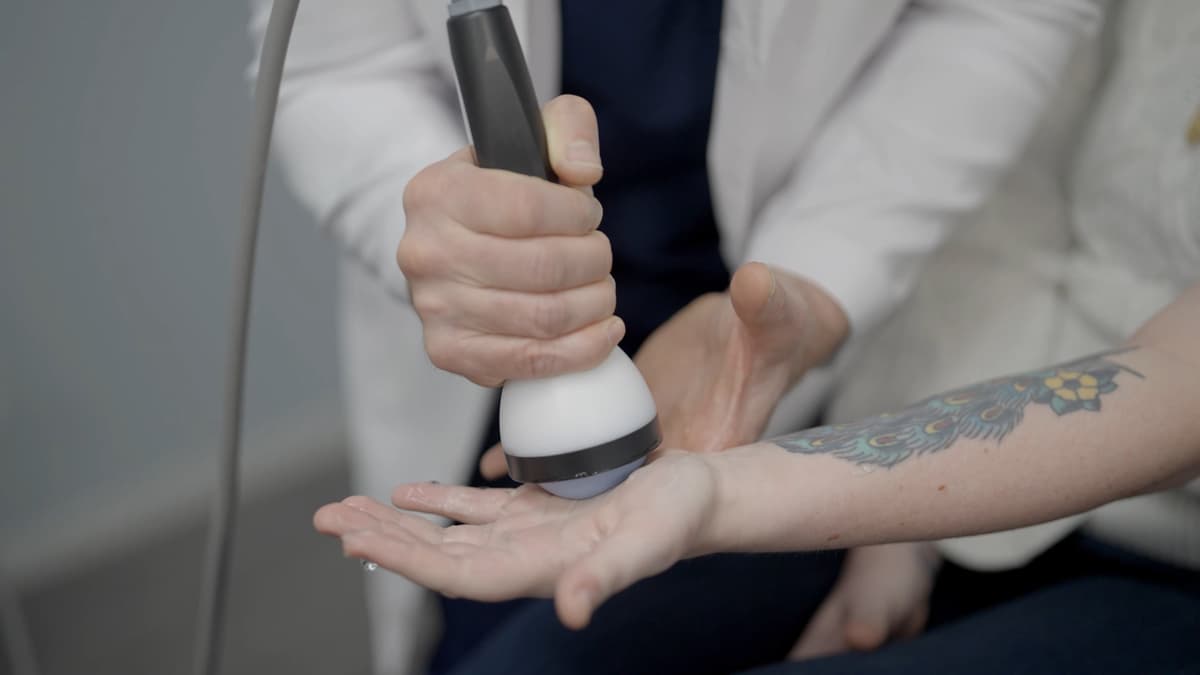
Shockwave Therapy for Tennis and Golfer's Elbow
Shockwave can reduce persistent elbow tendon pain and improve grip tolerance. We combine it with wrist, grip, and forearm loading that prepares the arm for work or sport.

 By Dylan Newcomer and Jason Modafari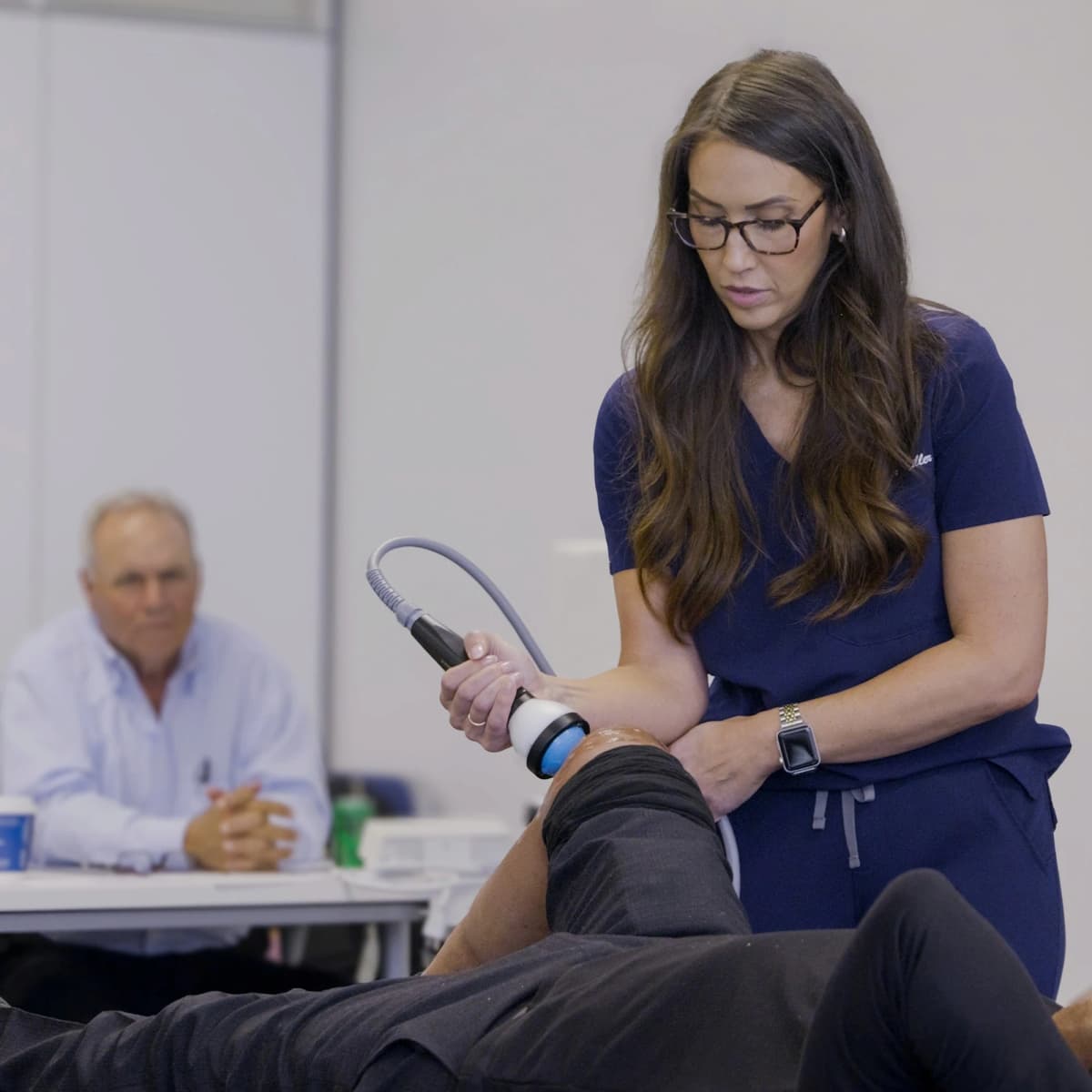
Shockwave Therapy for Achilles and Plantar Fascia Pain
Shockwave can reduce pain and improve function in selected Achilles and plantar heel conditions. We pair it with calf, foot, and running progressions so the relief carries into daily life and sport.
By Dylan Newcomer and Jason Modafari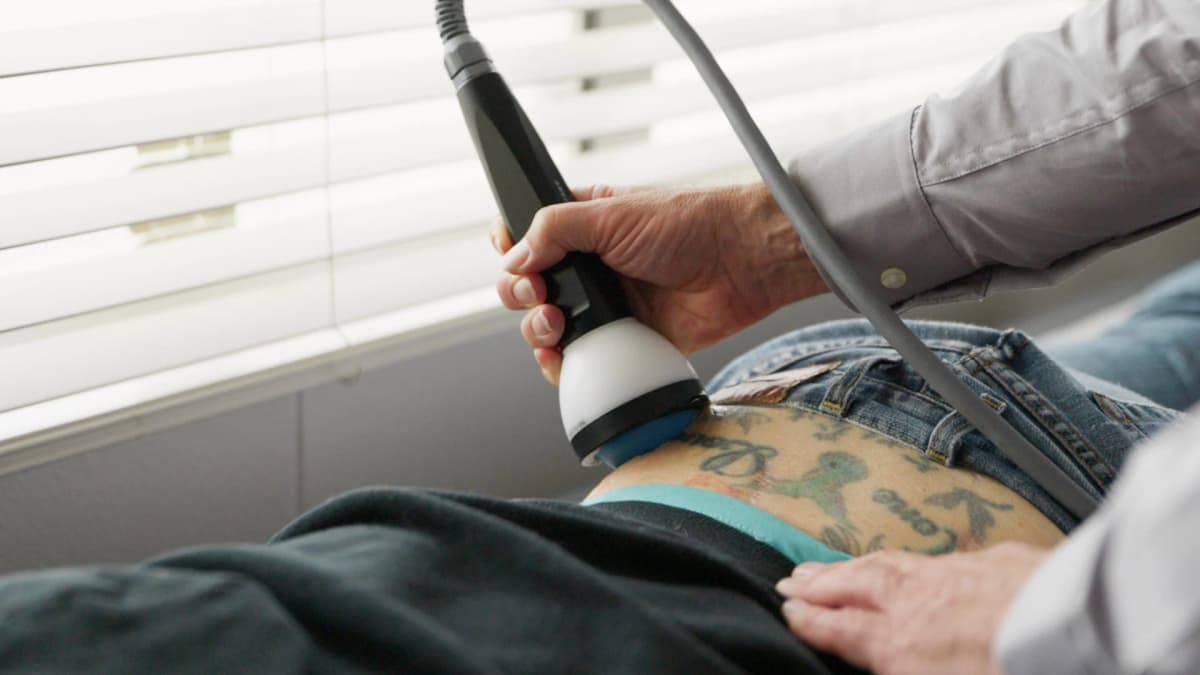
Shockwave Therapy for Chronic Tendon Pain: How It Can Restart Progress
Shockwave gives a stubborn tendon a focused mechanical stimulus that may reduce pain and support tissue remodeling. We pair it with progressive loading to turn symptom change into better function.
By Dylan Newcomer and Jason Modafari