BACK PAIN AND SPINAL MOVEMENT: GETTING BACK TO TRAINING
The short version
Back rehab should help you tolerate the movements your life and sport require. Here is how movement, strength, and gradual exposure can fit together.

If your back hurts when you bend, rotate, or lift, avoiding that movement forever is rarely a useful training goal. The practical question is what you can tolerate now and how to build from there.
That does not mean forcing movement through every symptom. Back pain has different causes, and a useful plan starts by understanding the problem rather than assigning everyone the same stretch or movement theory.
Start with the task you want back
Picking up your child, deadlifting, and rotating to throw are different demands. Tell your clinician what you need to do and what currently stops you.
At Athletic Potential, that gives the evaluation a direction. We can examine the movement, consider strength and other symptoms, and choose a manageable starting point. We do not need to frame your back as permanently fragile to take the pain seriously.
Movement and strength belong in the same plan
The 2021 physical therapy guideline for low back pain supports exercise-based care, with recommendations that vary by presentation. It does not establish one ideal exercise for every back problem.
In practice, your plan may include comfortable movement, trunk and lower-body strength, and a gradual return to the task that has become difficult. The starting range, resistance, and amount of work should reflect your symptoms and examination.
For a lifter, that might mean changing the load or range before building back toward a full lift. For a throwing athlete, it may include preparing for rotation alongside the rest of the throwing program. These are examples, not a progression to follow without an assessment.
Look beyond a single session
Track what you can do, how symptoms respond afterward, and whether normal activities are becoming easier. A better stretch sensation is not the only measure of progress. Neither is a pain-free repetition in the clinic.
The NIAMS guide to back pain treatment describes care that can involve activity, exercise, and other treatments depending on the diagnosis. Your plan should be reviewed if symptoms change or progress stalls.
Know when to get medical help
New loss of bladder or bowel control, numbness around the groin or saddle area, or rapidly worsening leg weakness needs urgent medical assessment. Back pain with fever, significant trauma, or unexplained weight loss also warrants medical evaluation. Do not treat these as ordinary training soreness.
For ongoing back symptoms that affect lifting, sport, or daily life, explore back and neck rehab or our low back pain page. You can meet with a PT in Kent or Tampa.
This is general information and does not identify the cause of your back pain.
THE NEXT STEP
Build back toward the lifting, movement, and activity your life requires.
Explore Back and Neck RehabRELATED POSTS
Isometric Exercises for Tendon Pain: Where They Fit
Isometric holds can be one part of tendon rehab. Learn what they can and cannot do, how they differ from rest, and why progressive loading still matters.
 By Dylan Newcomer
Strength Training for Multi-Sport Athletes: Build One Weekly Plan
Two sports should not mean two disconnected strength plans. Coordinate practices, games, lifting, and recovery around the athlete's actual week.
By Dylan Newcomer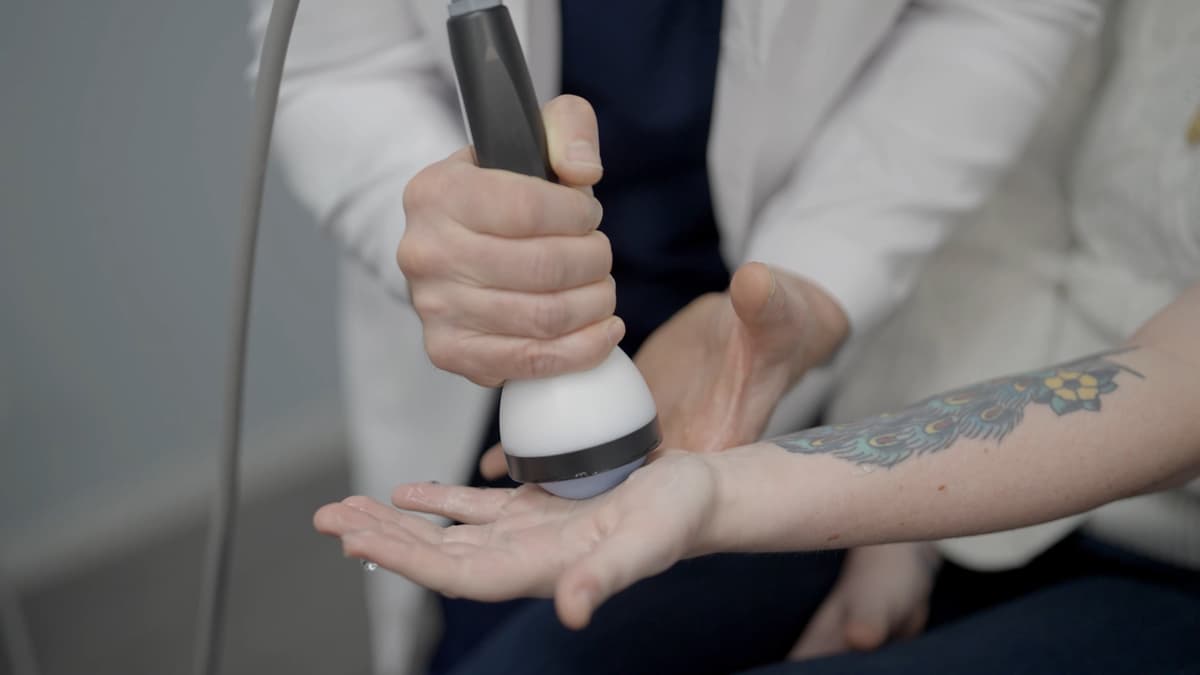
Shockwave Therapy for Tennis and Golfer's Elbow
Shockwave can reduce persistent elbow tendon pain and improve grip tolerance. We combine it with wrist, grip, and forearm loading that prepares the arm for work or sport.
 By Dylan Newcomer and Jason Modafari