ELBOW AND DISTAL BICEPS PAIN DURING CURLS AND PULLING
The short version
Pain at the front of the elbow can be a manageable training irritation or a tendon injury that needs prompt attention. The mechanism and loss of strength matter.

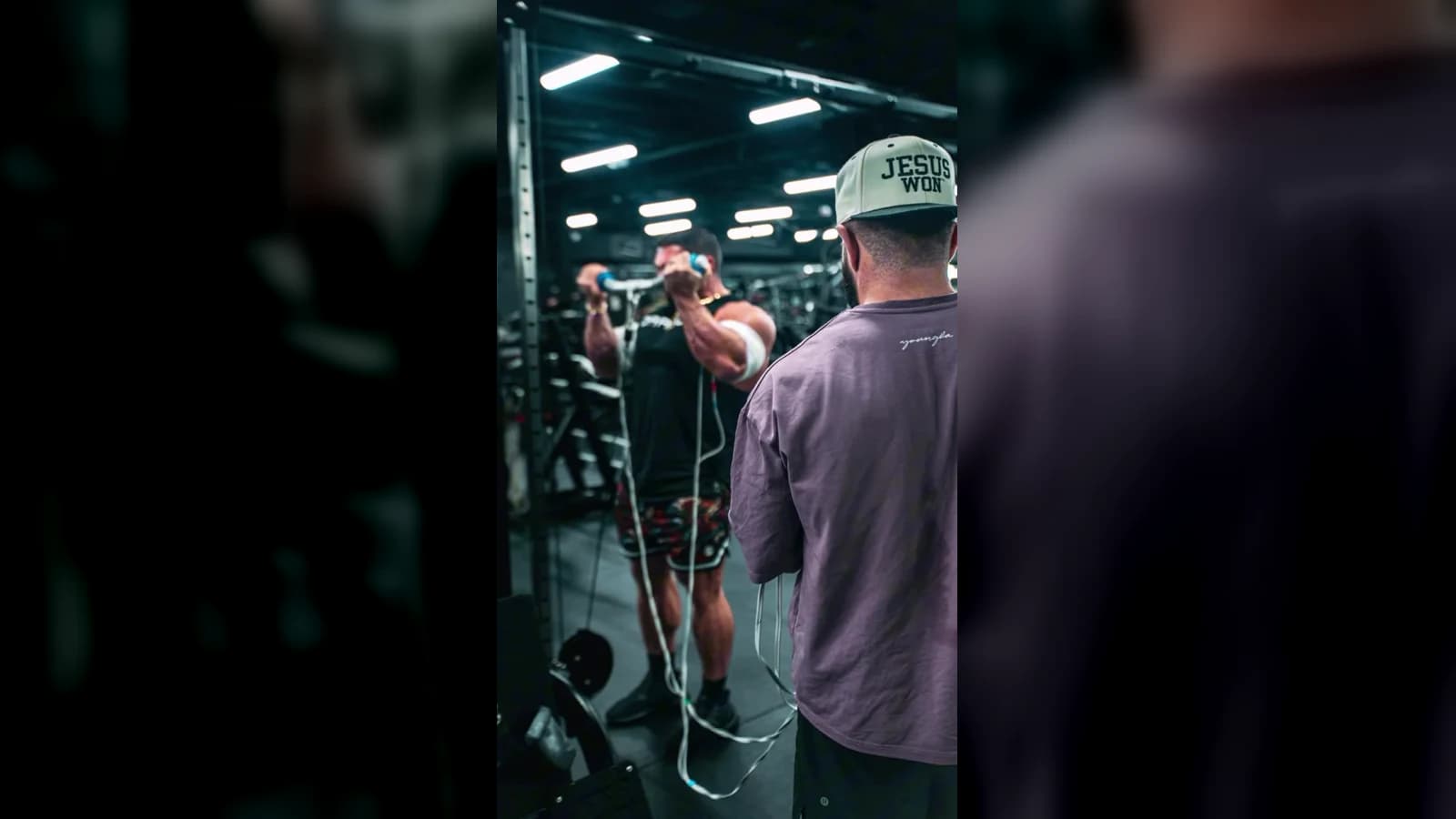
Front-of-elbow pain has a way of spreading through an entire program. Curls hurt first. Then rows feel strange. A supinated pulldown becomes uncomfortable. Soon the lifter is changing every grip and avoiding any exercise that loads the biceps hard.
Most gradual cases are not emergencies. A sudden distal biceps injury is different, and knowing that difference matters.
Where the Pain Shows Up
The distal biceps tendon attaches near the elbow and contributes heavily to turning the palm up and flexing the elbow. It can be irritated by repeated curls and pulling, especially when volume rises faster than the tendon can tolerate.
Other structures can produce pain in the same region. The brachialis, forearm flexors, radial tunnel, and the elbow joint itself may all change how curls and rows feel. Pain location is helpful, but it is not enough to diagnose the problem.
We test elbow flexion, supination, grip, shoulder position, and the exact exercises that bring symptoms on.
Gradual Irritation Versus a Sudden Tear
Gradual tendon pain often warms up, returns later in the session, or feels worse the next morning. Strength may be limited by pain, but the athlete can usually still create force.
A complete distal biceps rupture more often follows a sudden eccentric load, such as losing a heavy curl or trying to hold a weight that is pulling the elbow open. A pop, rapid bruising, a change in the shape of the biceps, and a clear loss of supination strength should be assessed promptly.
A clinical study of distal biceps examination found that combining specific physical tests improved diagnostic accuracy for complete rupture. The study also emphasized that complete and partial tears need to be distinguished because the treatment path and timing can differ.
Do not test a suspected rupture by loading it harder in the gym.
Keep Training, but Change the Irritating Variables
For a gradual, nontraumatic presentation, complete rest is not always necessary. We look for the variables that change symptoms:
- Supinated, neutral, or pronated grip
- Dumbbell, cable, barbell, or machine
- Elbow position in front of or behind the torso
- Lengthened versus shortened position
- Load, tempo, and proximity to failure
- Direct curl volume plus the pulling work already in the week
A neutral-grip row may be comfortable while a straight-bar curl is not. A cable may let the athlete control the painful range better than a free weight. These swaps keep training moving while the tendon is progressively loaded.
Rehab Still Has to Become Heavy Enough
Pain relief is only the first target. The distal biceps eventually needs to tolerate the forces created by hard pulling and curls near failure.
Early work may use isometrics and controlled elbow flexion or supination. Load, range, speed, and total volume then progress. The final stage should look like the training the athlete wants to resume, including lengthened loading and the positions that originally caused trouble.
Passive treatment can help symptoms, but it cannot replace this progression.
ARPwave, StemWave, and Bodywork
These tools have different roles.
ARPwave is paired with active exercise. We may use it during controlled curls, pulling patterns, or isometrics when we want the athlete producing force under electrical stimulation.
StemWave may be used as a standalone focused treatment or after the exercise portion of a session. Bodywork may improve comfort and motion around the elbow and forearm. None of them remove the need to rule out a tear or rebuild loading tolerance.
Get Help Quickly If You Notice
- A sudden pop during a curl, row, deadlift, or catch
- Rapid bruising or swelling near the elbow
- A visible change in the shape of the biceps
- A major loss of strength when turning the palm up
- Numbness, tingling, or progressive weakness in the hand
Those signs change the urgency and the referral decision.
The Bottom Line
Do not let front-of-elbow pain turn into six months of random grip changes. First determine whether the tendon is irritated, partially injured, or dealing with something else. Then keep the safest productive work in the program and rebuild the exact force the athlete needs.
See Jason's Tampa bodybuilding rehab and recovery services, or book a free consultation to talk through the injury and your current training split.
THE NEXT STEP
See Jason's Tampa services for lifters, including physical therapy, bodywork, ARPwave, StemWave, and focused recovery sessions.
Explore Bodybuilding Rehab & RecoveryRELATED POSTS
Patellar Tendon Pain During Squats and Leg Training
Pain below the kneecap does not always require shutting down leg training. Load, range, exercise choice, and the next-day response show us where to start.
 By Jason Modafari
Shoulder Pain During Pressing: What Lifters Should Check
Bench, incline, and overhead pressing can irritate the shoulder for different reasons. The right response starts with the exact position, load, and symptom pattern.
By Jason Modafari
Bodywork for Bodybuilders: Useful Relief Without the Hype
Bodywork can improve how a lifter feels and moves, but it should have a clear job. Here is how to use hands-on care without pretending it replaces training.
By Jason Modafari