SHOULDER PAIN DURING PRESSING: WHAT LIFTERS SHOULD CHECK
The short version
Bench, incline, and overhead pressing can irritate the shoulder for different reasons. The right response starts with the exact position, load, and symptom pattern.

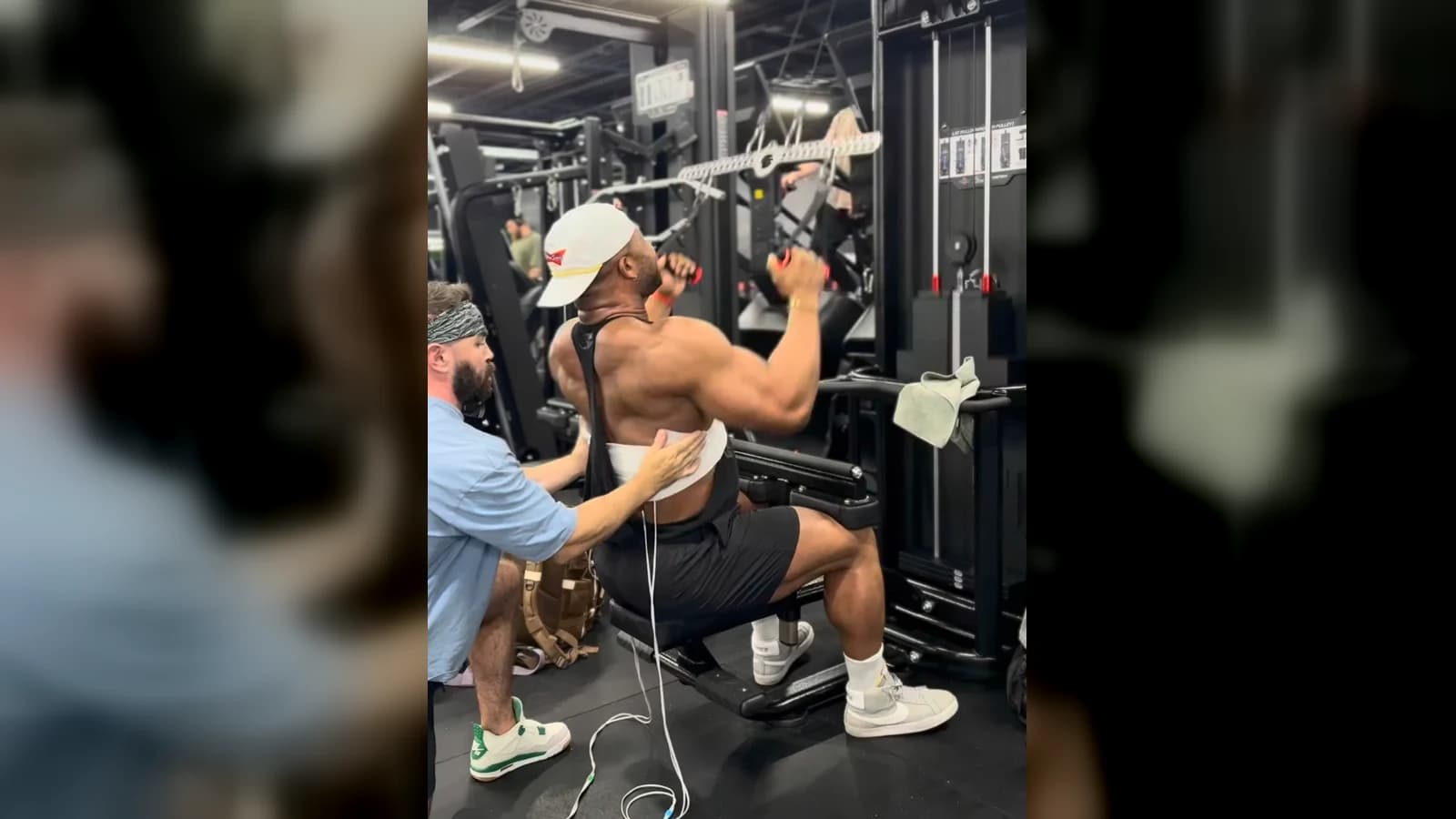
Shoulder pain during a press rarely arrives with a clean label. One lifter feels a pinch at the bottom of a dumbbell press. Another feels a deep ache later that night. Someone else loses confidence only when the bar gets heavy.
Those are different problems. Treating all of them as a tight shoulder leads to a lot of random mobility work and very little clarity.
Start With the Exact Press That Hurts
Write down the details before changing everything:
- Flat, incline, decline, or overhead
- Barbell, dumbbell, machine, or cable
- Pain on the way down, at the bottom, through the press, or afterward
- Wide grip or narrow grip
- One side or both
- Only near failure or from the first warm-up set
This is the information that helps us reproduce the issue and find a version the athlete can still train.
Common Sources of Pressing Pain
The shoulder is not one tissue. Front-side pain can involve the long head of the biceps, rotator cuff, pec region, AC joint, or other structures. Deep pain can come with instability or labral involvement. Pain near the neck or down the arm may point somewhere else entirely.
Bodybuilding and other weight-training sports have relatively low overall injury rates, but the shoulder, lower back, knee, elbow, and wrist are among the most commonly affected areas according to a systematic review of weight-training injuries. A separate review of resistance-training shoulder injuries found that shoulder problems made up a substantial share of documented lifting injuries, while also noting that much of the available research is retrospective.
That means the pattern matters more than guessing from a list online.
Technique Can Change the Load
Pressing technique is not morally good or bad. It changes where force goes.
A biomechanical study of bench-press variations found that grip width, shoulder angle, and scapular position changed estimated loads at the glenohumeral and AC joints. In that study, grips narrower than 1.5 times bi-acromial width and a retracted scapular position reduced several modeled shoulder loads.
That does not create one universal bench setup. It does give us variables to test. A small grip change, less flare, a different incline, or a machine that allows the hands to rotate may preserve productive pressing while symptoms settle.
Do Not Confuse Modification With Avoidance
If every press hurts, taking out the most provocative version for a short period may be sensible. The goal is usually to keep as much tolerable work as possible.
We may shorten the range temporarily, lower the load, reduce sets near failure, change the implement, or use a different angle. Then we rebuild the positions that were removed instead of letting the workaround become permanent.
The shoulder still needs force. Cuff work, rows, isolated delt training, and controlled pressing can all have a place depending on the diagnosis and irritability.
Watch the Weekly Total
A lifter may tolerate each exercise alone and still exceed what the shoulder can recover from across the week. Heavy pressing, high-volume lateral raises, dips, direct arm work, and posing all add stress.
The painful exercise is often only the last item in a larger stack. We look at the total number of hard sets, proximity to failure, exercise overlap, recent jumps in volume, sleep, and whether a contest prep is reducing recovery.
Get It Assessed Quickly After These Signs
Seek an evaluation after a sudden pop, bruising, a visible change in the pec or biceps, major weakness, recurrent slipping, loss of motion after trauma, or numbness and tingling that travels down the arm.
Pain that keeps worsening despite a reasonable reduction in load also deserves a closer look. The answer may be rehab, a medical referral, or simply a better way to organize training, but guessing for another eight weeks is not a strategy.
The Bottom Line
Shoulder pain does not automatically mean pressing is over. It means the current combination of tissue tolerance, technique, range, and weekly load is not working.
Jason works with bodybuilders and lifters in Tampa to keep training in the plan while the shoulder is evaluated and rebuilt. Explore bodybuilding rehab and recovery, or book a free consultation.
THE NEXT STEP
See Jason's Tampa services for lifters, including physical therapy, bodywork, ARPwave, StemWave, and focused recovery sessions.
Explore Bodybuilding Rehab & RecoveryRELATED POSTS
Patellar Tendon Pain During Squats and Leg Training
Pain below the kneecap does not always require shutting down leg training. Load, range, exercise choice, and the next-day response show us where to start.
 By Jason Modafari
Elbow and Distal Biceps Pain During Curls and Pulling
Pain at the front of the elbow can be a manageable training irritation or a tendon injury that needs prompt attention. The mechanism and loss of strength matter.
By Jason Modafari
Bodywork for Bodybuilders: Useful Relief Without the Hype
Bodywork can improve how a lifter feels and moves, but it should have a clear job. Here is how to use hands-on care without pretending it replaces training.
By Jason Modafari