BODYWORK FOR BODYBUILDERS: USEFUL RELIEF WITHOUT THE HYPE
The short version
Bodywork can improve how a lifter feels and moves, but it should have a clear job. Here is how to use hands-on care without pretending it replaces training.

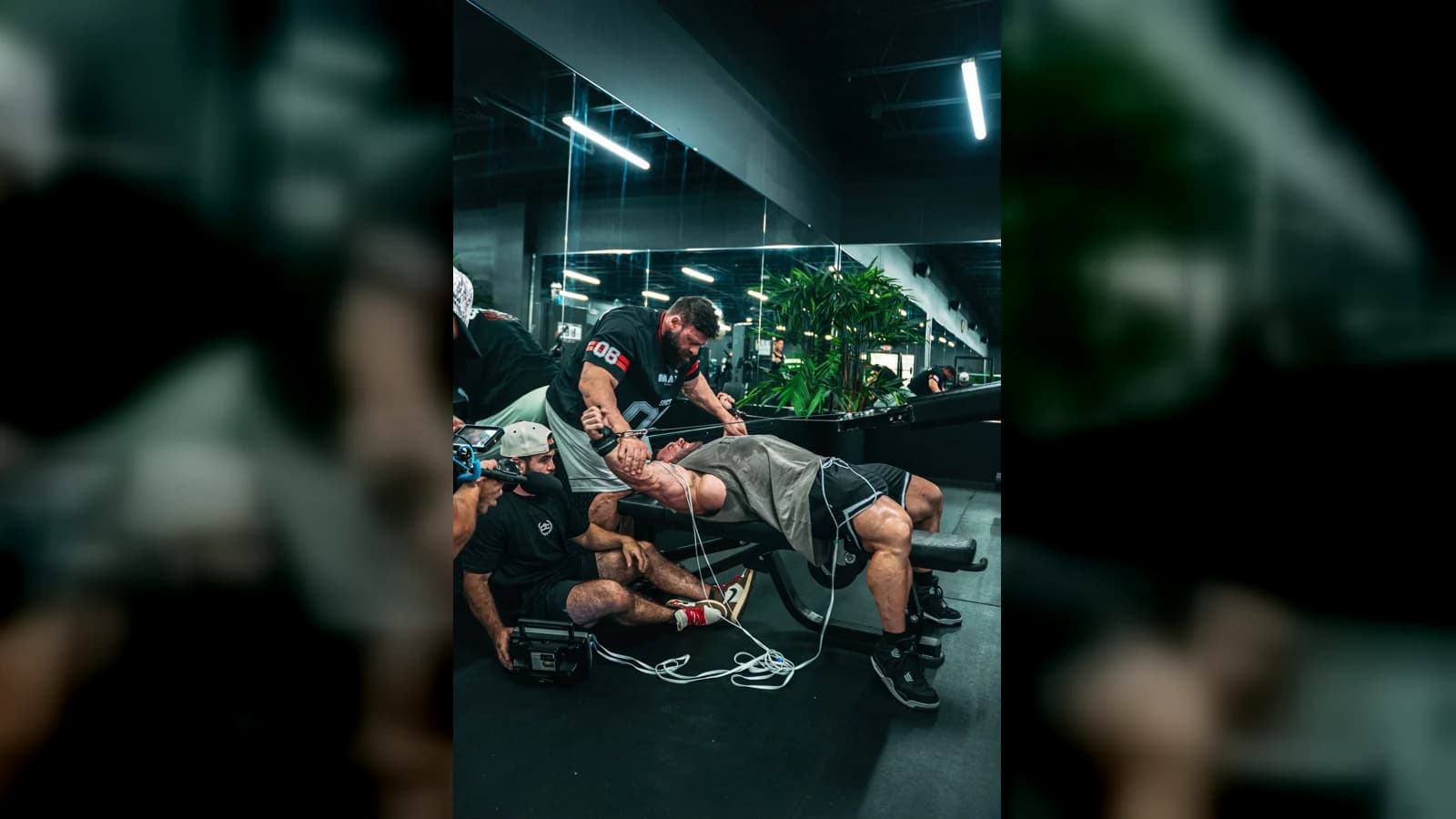
Bodybuilders are not short on discomfort. High weekly volume, repeated end-range positions, hard posing, cardio, travel, and prep all leave a mark. The harder question is which discomfort needs a change in training and which one would benefit from focused recovery work.
Bodywork can be valuable here. It can reduce soreness, improve how a restricted movement feels, and give an athlete a better starting point for the next session. It does not realign the body or erase the cost of a poorly managed program.
Give the Session a Job
The best bodywork sessions start with a target. Maybe the pec and front of the shoulder feel guarded before pressing. Maybe the lats limit an overhead position. Maybe a hard lower-body block has left the quads sore enough to change the next training day.
We identify the movement that matters, use the appropriate hands-on technique, and check the movement again. That simple test keeps the session tied to training instead of chasing every tight spot in the body.
What the Evidence Supports
The research does not show that massage directly makes an athlete stronger, faster, or more powerful. A systematic review and meta-analysis of sports massage found small improvements in flexibility and delayed-onset muscle soreness, but no meaningful direct improvement in strength, sprinting, jumping, endurance, or fatigue.
That is still useful. Feeling less sore and moving more comfortably can make it easier to train well, sleep, pose, or tolerate the next block of work. A review of self-myofascial release in athletes similarly found short-term improvements in flexibility and range of motion without a drop in maximal strength or power.
Relief is a worthwhile outcome. It just should not be confused with a permanent fix.
Bodywork Inside a PT Visit
When pain is changing a lift, bodywork may be one part of a physical therapy session. We can use it to improve a position, then load that position while the change is available.
For example, if hands-on treatment makes an incline press more comfortable, we may follow it with cuff work, pressing at a tolerable angle, or a change in weekly volume. If hip treatment opens a squat position, the athlete needs to use that range under control before leaving.
The treatment creates an opening. The exercise teaches the body what to do with it.
Bodywork as Dedicated Recovery Time
Not every session needs to be injury rehab. A bodybuilder may want thirty or sixty minutes reserved for recovery, with no expectation that the appointment becomes a full evaluation or exercise session.
That is a different service with a different goal. The work may include soft-tissue treatment, mobility, assisted movement, or another recovery tool that fits the athlete and the day. A dedicated appointment also prevents hands-on care from consuming the time meant for strength or rehabilitation.
When Bodywork Is the Wrong First Choice
Some problems should not be rubbed, scraped, or stretched until they feel different.
A sudden pop, bruising, major swelling, visible deformity, significant loss of strength, numbness, or pain that is rapidly worsening needs an evaluation. The same is true when a training problem returns immediately every time the athlete loads a specific position. Repeated temporary relief may be a clue that the plan is missing the actual driver.
What Good Recovery Work Feels Like
Intensity is not the score. More pressure does not automatically mean better treatment.
A useful session should make the target movement feel easier, improve range without leaving the athlete beat up, or reduce soreness enough to help the next training day. If an athlete needs three days to recover from recovery work, the dose missed the point.
The Bottom Line
Bodywork can help a bodybuilder move better, feel less sore, and train with fewer distractions. Its value comes from matching the technique and dose to the athlete's next job.
Jason offers dedicated recovery sessions and integrated physical therapy for lifters in the Tampa and St. Petersburg area. See the bodybuilding service page, or book a free consultation to choose the right format.
THE NEXT STEP
See Jason's Tampa services for lifters, including physical therapy, bodywork, ARPwave, StemWave, and focused recovery sessions.
Explore Bodybuilding Rehab & RecoveryRELATED POSTS
Patellar Tendon Pain During Squats and Leg Training
Pain below the kneecap does not always require shutting down leg training. Load, range, exercise choice, and the next-day response show us where to start.
 By Jason Modafari
Elbow and Distal Biceps Pain During Curls and Pulling
Pain at the front of the elbow can be a manageable training irritation or a tendon injury that needs prompt attention. The mechanism and loss of strength matter.
By Jason Modafari
Shoulder Pain During Pressing: What Lifters Should Check
Bench, incline, and overhead pressing can irritate the shoulder for different reasons. The right response starts with the exact position, load, and symptom pattern.
By Jason Modafari