YOUTH PITCHER ELBOW PAIN: A PARENT'S GUIDE TO WHAT HAPPENS NEXT
The main point
Inside-elbow pain in a growing thrower deserves attention. Learn what to stop, what information to gather, and how the evaluation guides a safe return.

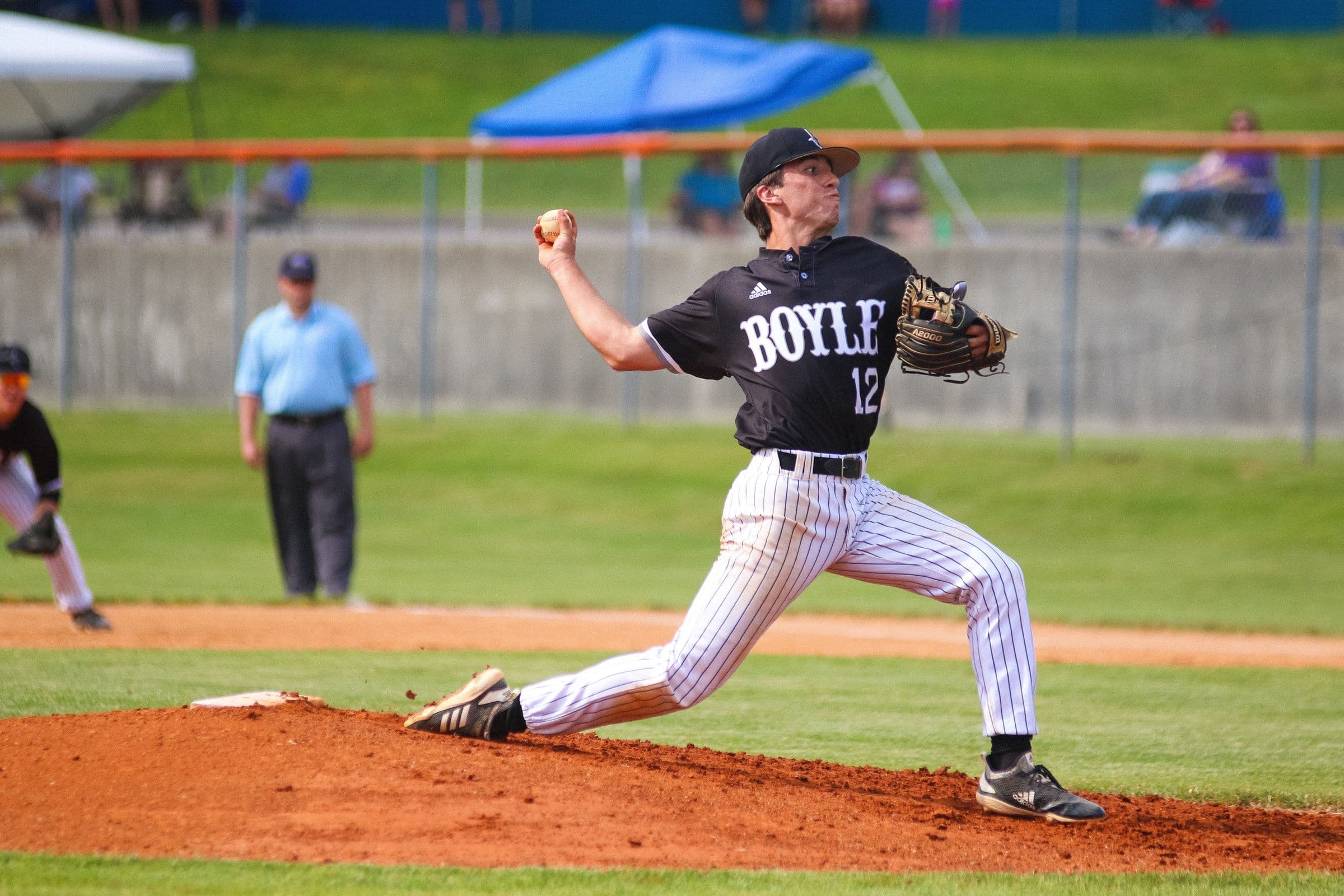
Table of Contents
- Why age changes the elbow conversation
- Signs that should end throwing for the day
- What parents should write down
- Workload and prior pain matter
- Common causes of youth throwing elbow pain
- What the evaluation should include
- Rest is a starting decision, not the full plan
- How throwing returns
- Pitcher and catcher is a demanding combination
- Pain-free does not equal game-ready
- When to involve a physician quickly
- The parent has an important role
A young pitcher says the inside of his elbow hurts. The first instinct is often to wait a few days, rub the forearm, and see whether he can get through the next game.
Growing elbows deserve more respect than that.
Pain does not automatically mean a torn UCL or a major injury. It does mean the athlete should stop using full-intent throws to test whether the problem is gone. In a skeletally immature player, the growth plate and medial epicondyle can be more vulnerable than the ligament that gets most of the attention online.
Why age changes the elbow conversation
The throwing motion creates valgus stress across the inside of the elbow. In an adult pitcher, concern often centers on the UCL, flexor-pronator group, ulnar nerve, bone, and joint. A growing athlete has another structure in the equation: an open growth plate.
The exact vulnerable area changes with skeletal maturity. Younger players may develop irritation or injury around the medial epicondylar apophysis. Adolescents can also experience avulsion injury, UCL injury, flexor-pronator problems, or bone and cartilage conditions.
The phrase “Little League elbow” covers several possible diagnoses. A parent needs a clearer answer than the umbrella term.
Signs that should end throwing for the day
Stop the throwing session when a young athlete reports:
- pain on the inside or outside of the elbow
- a pop or sudden sharp pain
- loss of command or velocity paired with discomfort
- pain that changes the arm slot or delivery
- tingling into the ring or small finger
- swelling, bruising, or loss of elbow motion
- pain that continues after the arm is warm
The athlete should not throw through pain to finish an inning, prove toughness, or reach a showcase radar number. More high-intent throws will not clarify the diagnosis.
What parents should write down
The best history includes every throwing exposure, not only game pitches.
Write down:
- age and skeletal maturity if known
- primary and secondary positions
- game pitch counts
- warm-up throws
- bullpen sessions
- private lessons
- long toss, pull-downs, and weighted-ball work
- throws from shortstop, catcher, or the outfield
- days of rest between high-intent sessions
- recent changes in team, season, velocity, or workload
- the exact location and timing of pain
Many young athletes play for more than one team. Each coach may see a reasonable workload inside one environment while the combined week becomes much larger.
Workload and prior pain matter
A systematic review of prospective baseball studies found that prior elbow pain and training or pitching load were associated with later elbow injury in youth players. Pitching more than 100 innings in a year, playing pitcher or catcher, and training more than 16 hours per week were among the reported youth risk factors (Bullock et al., 2019).
The exact number is less important than the pattern. A workload limit cannot account for every warm-up throw, private session, position throw, fatigue state, or growth spurt.
MLB Pitch Smart gives age-based pitch-count and rest guidance. Use it as the floor for workload management, then account for the rest of the athlete's throwing week.
Common causes of youth throwing elbow pain
Medial epicondyle and growth-plate irritation
Pain often sits at the bony prominence on the inside of the elbow. It may build with throwing volume and become more noticeable at higher intent. Local tenderness in a growing athlete raises concern and may lead to imaging.
UCL injury
UCL injuries can occur in adolescents, especially as velocity and competition exposure rise. Pain may appear during late cocking or acceleration, worsen with intent, and sometimes include a pop or a sense of instability.
Flexor-pronator injury
The muscles below the inside of the elbow contribute to grip, finger and wrist flexion, pronation, and dynamic elbow support. Pain may reproduce with gripping or resisted forearm tests. These injuries can also exist beside a UCL problem.
Ulnar nerve irritation
Tingling or numbness into the ring and small fingers, electrical pain, or hand weakness changes the evaluation. The nerve may also feel as if it snaps behind the elbow.
Capitellar or lateral elbow injury
Pain on the outside of the elbow, swelling, catching, locking, or loss of motion can point toward cartilage or bone problems. These symptoms deserve prompt medical review.
What the evaluation should include
The clinician should listen to the throwing history before reaching for one special test.
The exam may include:
- elbow and shoulder motion
- local tenderness over bone, ligament, muscle, nerve, and joint
- ligament stress tests
- grip, wrist, finger, and pronation strength
- shoulder strength
- nerve symptoms and hand strength
- growth and skeletal-maturity considerations
- the movement or throwing phase that brings on pain
Imaging may be appropriate when the growth plate, bone, cartilage, ligament, or a larger tissue injury is in question. X-ray, diagnostic ultrasound, and MRI answer different questions. The physician or clinician should choose the study that fits the case.
Rest is a starting decision, not the full plan
Removing painful throwing reduces the immediate stress. It does not rebuild the strength or workload tolerance the athlete will need when throwing returns.
The early plan may include:
- temporary removal or reduction of painful throwing
- continued lower-body training and conditioning
- symptom-tolerable elbow and forearm loading
- shoulder and scapular strength
- trunk and hip work
- education for the family and coaches about weekly throwing exposure
The exact loading depends on the diagnosis. A growth-plate injury, UCL injury, muscle strain, and nerve problem should not receive the same template.
How throwing returns
The athlete returns to throwing after the tissue and symptoms permit it and the early strength work is tolerated. The first step is not a bullpen.
A staged plan may rebuild:
- easy catch with a controlled throw count
- frequency and distance
- intent and velocity
- position-specific throws
- mound work for pitchers
- bullpen volume and pitch mix
- practice, then competition exposure
The order can change. The important part is that each stage has a defined workload and a response to review.
Watch the arm during the session, later that day, and the next morning. Pain, loss of motion, unusual fatigue, or a declining response can mean the previous dose was too large or the diagnosis needs another look.
Pitcher and catcher is a demanding combination
Catching adds a high number of throws, many from a compact position and often without formal tracking. A young athlete who pitches and catches can accumulate far more weekly arm stress than the game pitch count suggests.
Families and coaches should coordinate roles. The solution may involve changing positions on certain days, setting a weekly throwing plan, or choosing which events matter most instead of trying to complete every opportunity.
Pain-free does not equal game-ready
Symptoms often settle before the arm has rebuilt strength and workload capacity. A player may feel fine at school and during light catch, then hurt again when intent rises.
Game readiness asks harder questions:
- Has the athlete tolerated the current throwing frequency?
- Can the arm recover between sessions?
- Has intent risen without symptoms?
- Has mound volume been rebuilt?
- Are strength and motion stable as throwing increases?
- Does the weekly plan fit the athlete's age, team schedule, and positions?
Returning one step too early often looks fine until the workload becomes dense again.
When to involve a physician quickly
Prompt medical review is appropriate after a pop, visible swelling or bruising, loss of elbow motion, persistent nerve symptoms, hand weakness, catching or locking, pain at rest, or focal bony tenderness in a growing athlete.
Severe pain, obvious deformity, or new loss of circulation or sensation warrants urgent care.
The parent has an important role
Young athletes often minimize pain because they do not want to lose a position or disappoint a coach. Ask specific questions after throwing. Where did it hurt? When did it start? Did the arm feel different as intent rose? Does it still hurt now?
Then share the full workload with every coach involved. One coordinated plan is safer than several adults managing one piece of the week.
Athletic Potential provides baseball physical therapy and throwing elbow evaluations in Kent, Washington and Tampa, Florida. We work with families on the diagnosis, strength plan, throwing progression, and return to the mound. Book a free consultation to talk through what your athlete is feeling.
THE NEXT STEP
Find the clinical or performance path that best matches your injury and sport.
Explore Sports RehabRELATED POSTS
Workload, Fatigue, and Pain: What to Track Before Adding More
Training numbers are useful, but they do not tell the whole story. Combine workload, recovery, symptoms, and performance when adjusting a rehab or throwing plan.
 By Dylan Newcomer
What Does a UCL Injury Feel Like?
UCL pain is usually felt on the inside of the throwing elbow, but location alone cannot tell you whether the ligament is irritated, partially torn, or the wrong suspect entirely.
By Dylan Newcomer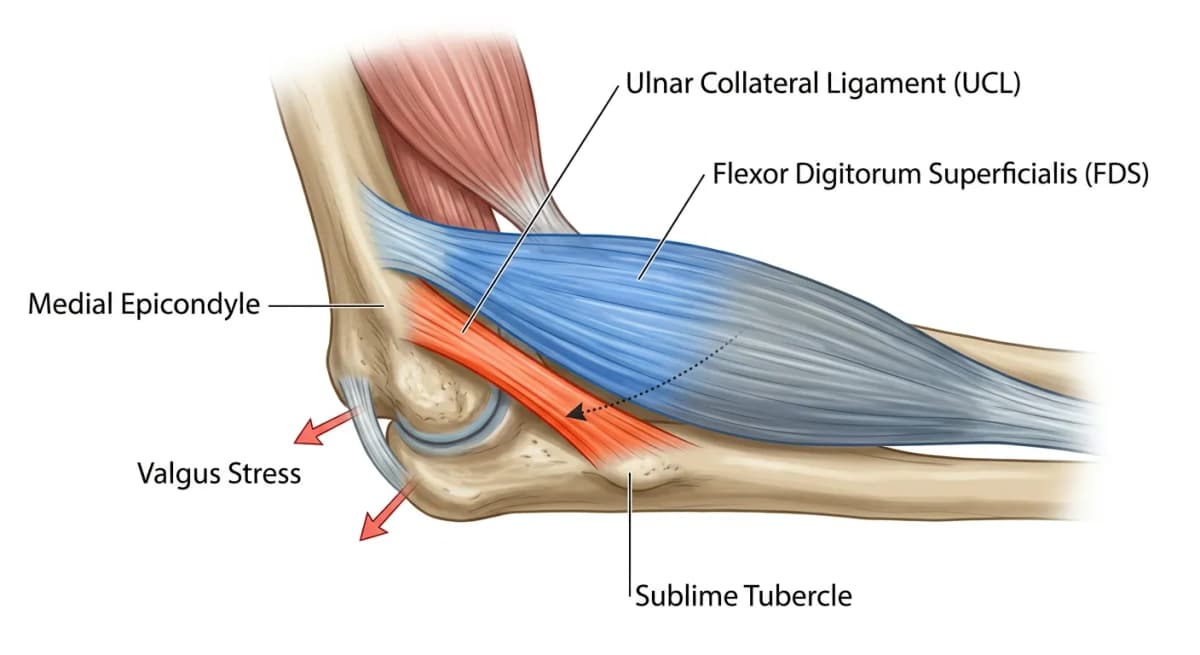
Can a Partial UCL Tear Heal Without Surgery?
Some partial UCL tears can return to high-level throwing without surgery. Tear location, tissue quality, symptoms, timing, and the demands of the athlete all change the answer.
 By Jason Modafari