SHOCKWAVE THERAPY FOR TENNIS AND GOLFER'S ELBOW
The short version
Shockwave can reduce persistent elbow tendon pain and improve grip tolerance. We combine it with wrist, grip, and forearm loading that prepares the arm for work or sport.


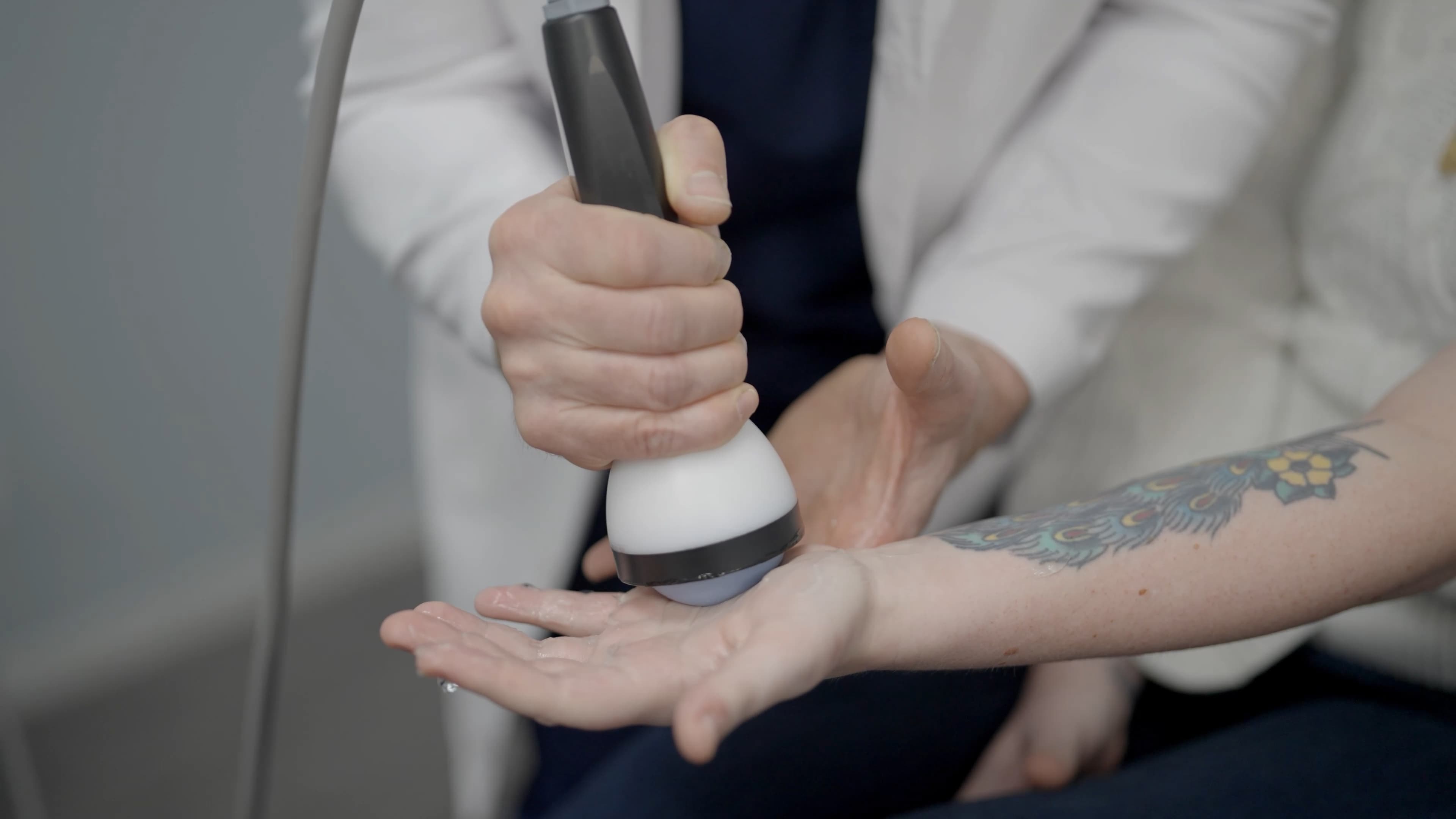
Table of Contents
Tennis elbow and golfer's elbow can make ordinary tasks surprisingly difficult. A coffee mug hurts. Pulling, gripping a bar, swinging a racquet, or turning a wrench brings the same sharp spot back.
When that pain has lingered through rest and basic exercise, shockwave can give the rehab process a useful push. The treatment targets the painful tendon with acoustic pulses and may reduce symptoms enough to restore stronger gripping and forearm work.
Lateral and Medial Pain Are Different Problems
Lateral elbow tendinopathy usually involves the common wrist-extensor origin, often with pain during gripping or resisted wrist extension. Medial elbow tendinopathy involves the flexor-pronator origin.
Nerve irritation, joint pathology, referred neck pain, UCL injury, and bone stress can mimic or accompany tendon pain. This is particularly important in throwers, where medial forearm pain should not automatically be called golfer's elbow.
What Shockwave Evidence Suggests
A 2021 meta-analysis for lateral elbow tendinopathy reported improvements in pain and grip strength with shockwave. A 2024 meta-analysis comparing shockwave with corticosteroid injection found that the treatments performed differently across follow-up periods. That makes shockwave appealing for patients who want a noninvasive option that can sit alongside progressive loading.
Evidence for medial elbow tendinopathy is less extensive, so we set expectations based on the exact diagnosis rather than copying lateral-elbow results across the joint.
How Shockwave May Help
The acoustic pulses create a mechanical stimulus in and around the tendon. Proposed effects include a change in local pain signaling, blood-vessel and growth-factor activity, cell proliferation, and extracellular matrix turnover. In plain terms, the treatment may make the area less painful while prompting biological processes involved in remodeling.
The payoff should be functional. Grip feels stronger, wrist loading becomes more comfortable, and the patient can start rebuilding tolerance for the task that keeps provoking the elbow.
Shockwave Creates a Better Loading Window
Rehab builds wrist and finger force, grip, pronation or supination as needed, elbow strength, and tolerance of the provoking task. Early loading may use isometrics or modified ranges. Later work becomes heavier and faster.
Pain often limits the dose before the muscle or tendon receives enough work. If shockwave lowers that barrier, we can progress the exercise with less guarding and more confidence. That combination is more useful than either piece in isolation.
For a thrower, the program must eventually include high-rate forearm work and a throwing progression. For a climber, it needs grip positions and climbing volume. The tendon does not care that a generic exercise sheet was completed.
When Shockwave May Fit
We consider it more often in persistent, well-localized tendon pain that has improved slowly with a credible loading plan. It may also fit when symptoms keep an athlete or worker from applying enough force to move the program forward.
The goal is a steady return of grip, lifting, swinging, or throwing volume. We progress the load and monitor the response over the next day.
What a Forearm Loading Plan Looks Like
For lateral elbow pain, wrist-extension and grip loading are common starting points. We change elbow position, forearm position, range, and tempo as tolerance improves. A person who works with tools may need sustained gripping and rotation. A tennis player eventually needs racquet volume and high-speed strokes.
Medial elbow loading may emphasize wrist and finger flexion and pronation. In a baseball player, the clinician must also evaluate the UCL and ulnar nerve. If the ligament is insufficient, treating the flexor tendon alone will not solve the throwing problem.
The program moves from tolerable force to heavier resistance, then faster and more specific work. We measure grip or wrist force when possible and track the activity that the patient actually wants back.
Injections and Quick Relief
Corticosteroid injection can reduce pain in the short term for some elbow tendon presentations. Longer-term results and recurrence concerns make the decision more complicated. Shockwave is sometimes compared with injection because both are offered when basic care has stalled, but they do not work through the same process and neither replaces load progression.
The right comparison includes time horizon, risks, prior care, patient preference, and whether the diagnosis is secure. A short-term pain win that leads directly to an excessive workload can become a poor trade.
When to Reconsider the Diagnosis
Progressive weakness, widespread numbness, neck symptoms, joint locking, significant trauma, or pain that does not respond as expected should trigger reassessment. Persistent lateral pain may involve the radial nerve or joint. Persistent medial pain in a thrower may involve the UCL or ulnar nerve.
Accurate diagnosis keeps the treatment pointed at the right structure and avoids wasting time on a tendon when the real problem sits elsewhere.
How We Judge Whether It Is Working
We track pain during a standardized task, grip force, wrist or forearm strength, and real activity tolerance. Those measures show whether the treatment is doing more than changing tenderness for a few hours.
Dylan and Jason provide shockwave within a full sports-rehab plan in Kent and Tampa. The focused treatment helps calm a stubborn elbow. The work around it prepares the arm to grip, lift, swing, and throw again.
THE NEXT STEP
See how hands-on treatment, progressive strength work, and return-to-sport planning fit into one rehabilitation process.
Explore Sports Physical TherapyRELATED POSTS
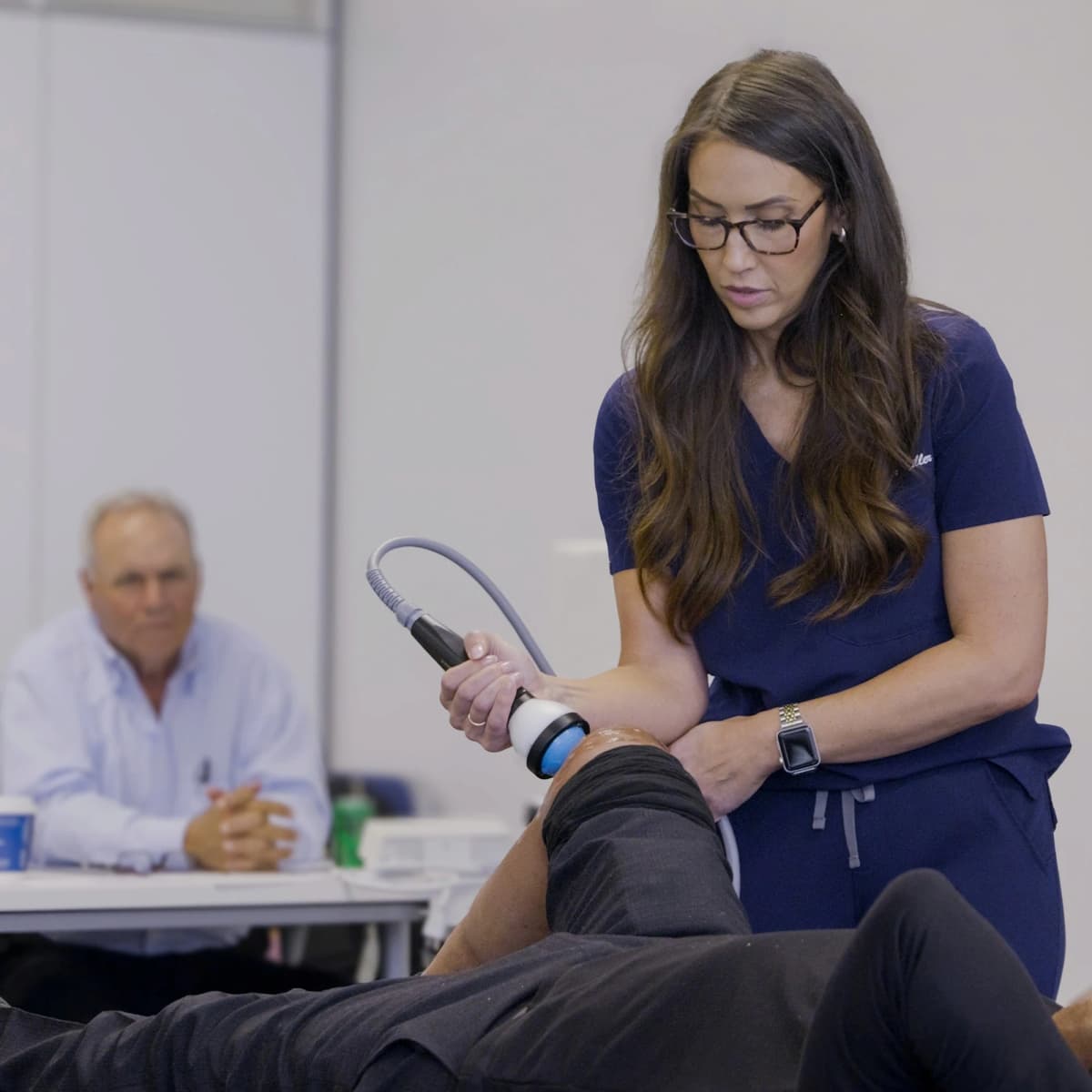
Shockwave Therapy for Achilles and Plantar Fascia Pain
Shockwave can reduce pain and improve function in selected Achilles and plantar heel conditions. We pair it with calf, foot, and running progressions so the relief carries into daily life and sport.

 By Dylan Newcomer and Jason Modafari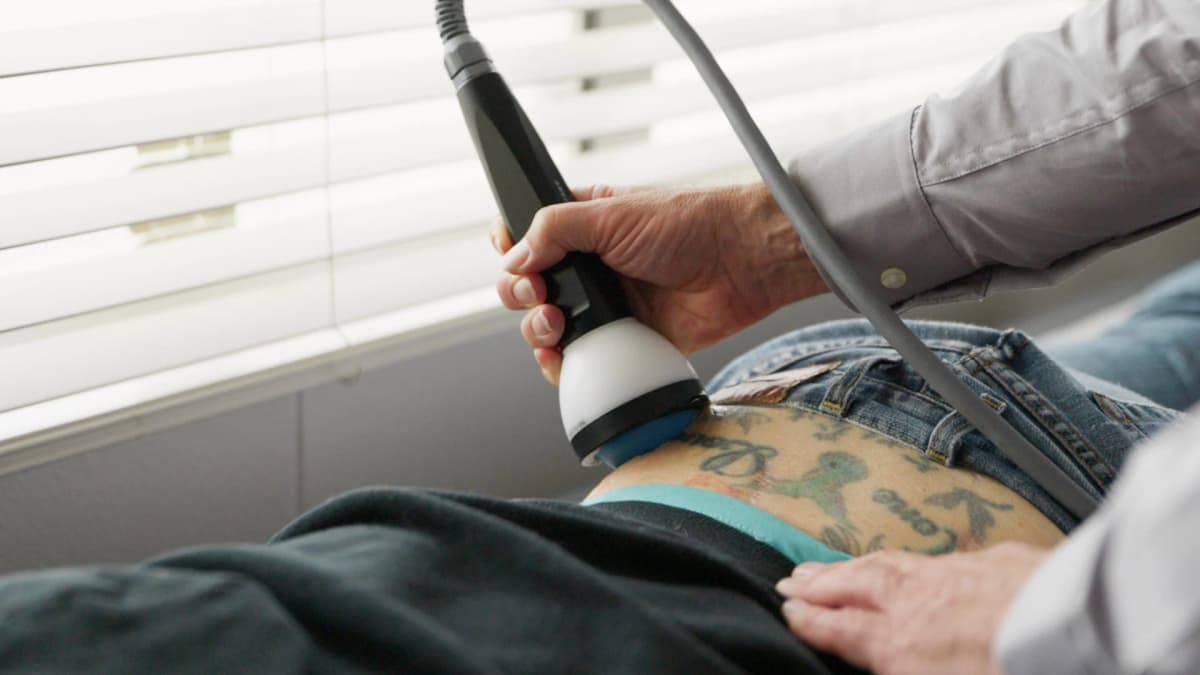
Shockwave Therapy for Chronic Tendon Pain: How It Can Restart Progress
Shockwave gives a stubborn tendon a focused mechanical stimulus that may reduce pain and support tissue remodeling. We pair it with progressive loading to turn symptom change into better function.
By Dylan Newcomer and Jason Modafari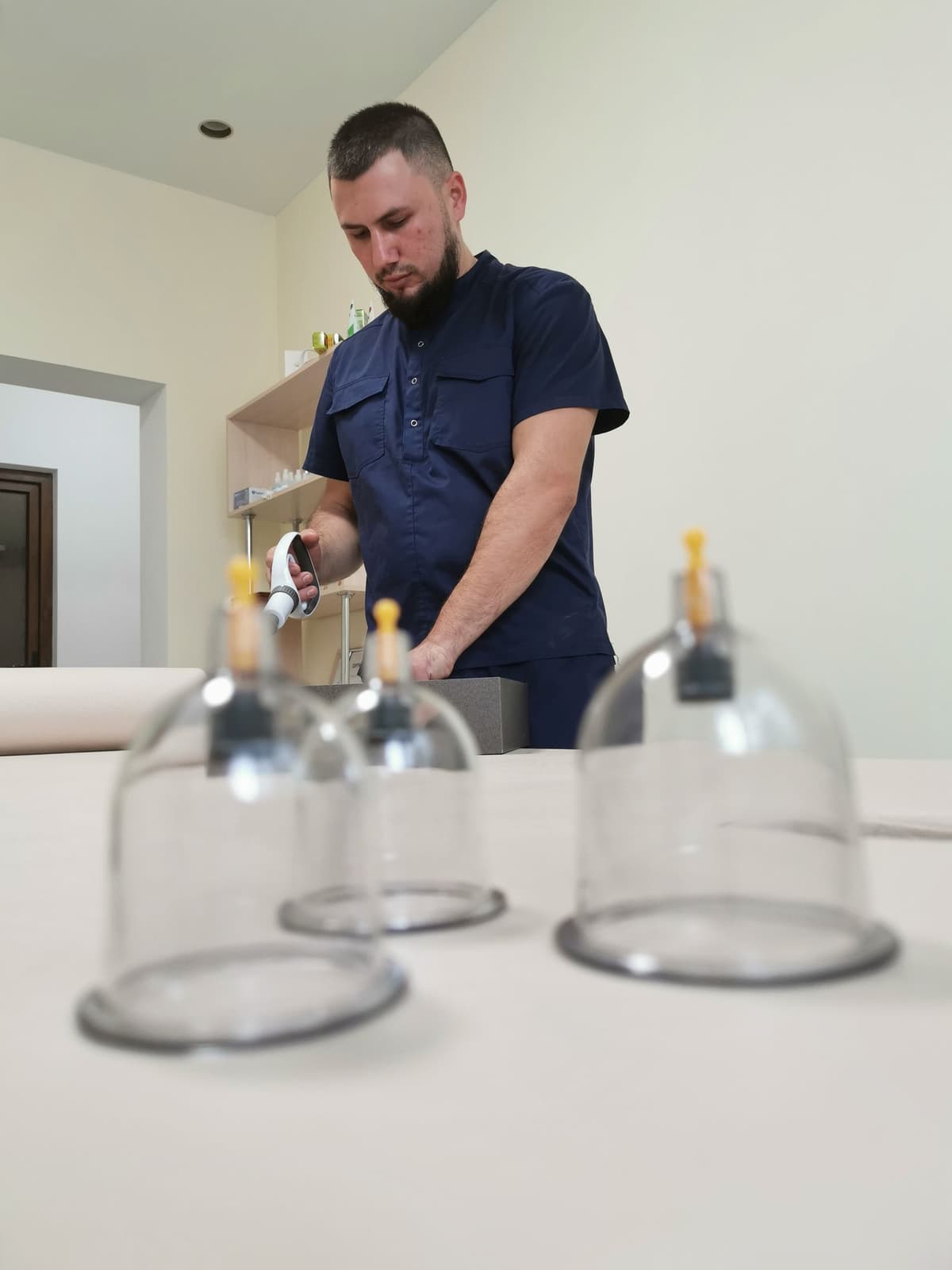
Dry Needling vs Cupping vs Manual Therapy: Which Tool Fits Your Rehab?
Dry needling, cupping, and manual therapy can each reduce pain or improve movement. We choose the tool that creates the best opening for strength and sport-specific work.
By Jason Modafari