DRY NEEDLING VS CUPPING VS MANUAL THERAPY: WHICH TOOL FITS YOUR REHAB?
The short version
Dry needling, cupping, and manual therapy can each reduce pain or improve movement. We choose the tool that creates the best opening for strength and sport-specific work.

Patients often ask which treatment works best. The honest answer depends on what is keeping them from moving well that day.
A guarded muscle, a painful range, and a joint that feels stiff may respond to different inputs. Dry needling, cupping, and manual therapy give us several ways to change pain or motion quickly. We choose one with a specific job in mind, test the result, and use the change during the active part of the session.
Dry Needling
Dry needling uses a thin solid needle in selected muscle or connective tissue. A large umbrella review found a short-term pain benefit compared with sham or no intervention across body regions, with some reviews also showing value when needling was added to physical therapy.
Several mechanisms have been proposed. The needle creates a strong local sensory input that may change pain processing in the peripheral and central nervous system. It may also affect muscle tone, local circulation, and the chemical environment around an irritable trigger point. Researchers are still working out how much each mechanism contributes.
Clinically, we care about the response. If a painful shoulder rotates farther and produces more force after needling, the athlete has a better window for strength work or throwing that day.
Needling is invasive. Soreness and bruising are common possibilities, while infection or pneumothorax are rare but serious risks. Training, anatomy, consent, and patient comfort matter.
Cupping
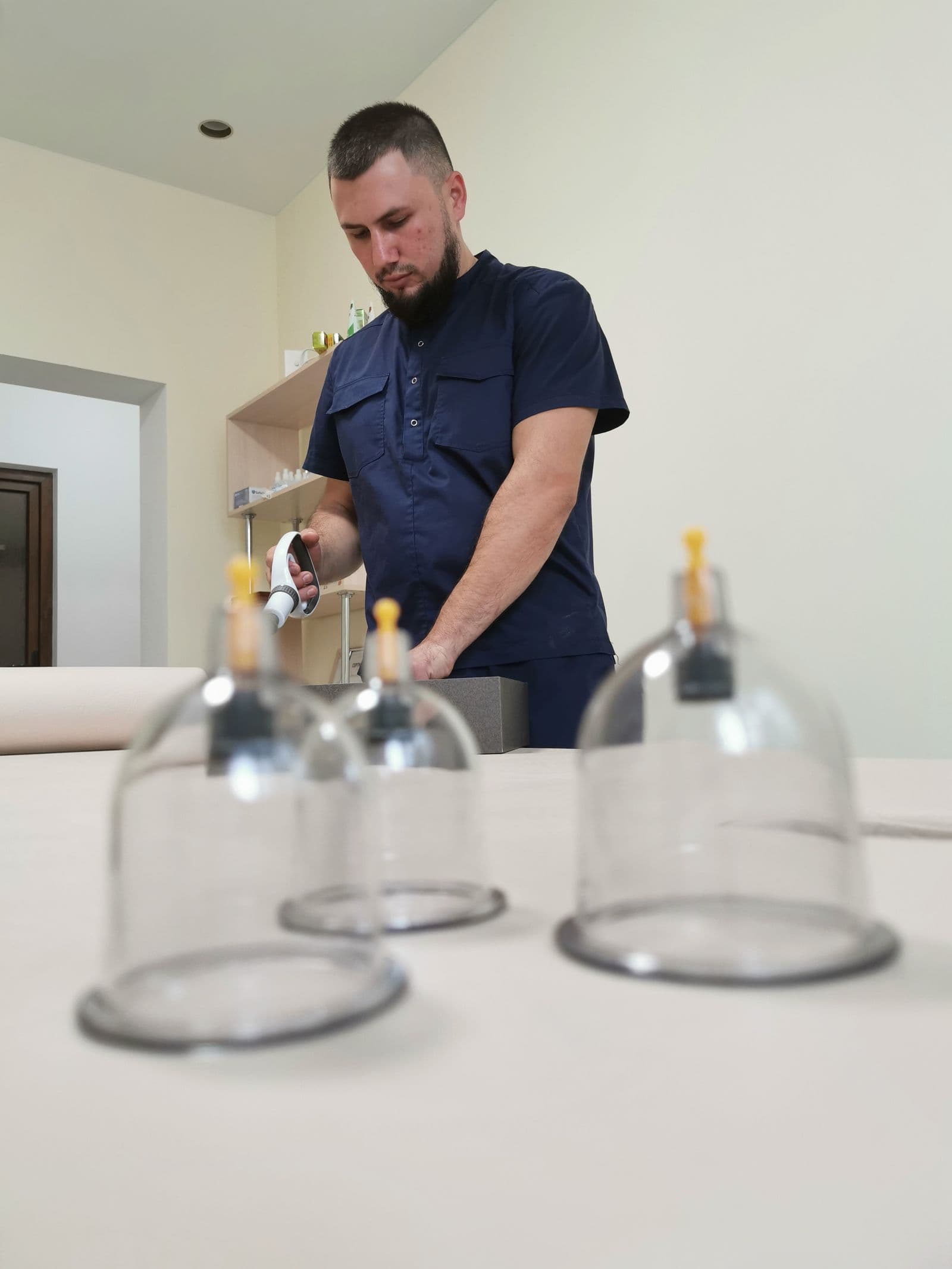
Cupping applies negative pressure to the skin and superficial tissues. The lifting force feels very different from massage or joint work, which is one reason some patients prefer it. The proposed effects include a change in local blood flow, sensory input, and the perception of stiffness or soreness.
An updated review of randomized trials found pain and quality-of-life benefits across several conditions, though the studies had a high risk of bias and the overall certainty remained low. We treat cupping as a low-load way to change symptoms for someone who responds well to it, especially when that response helps them move more freely afterward.
Manual Therapy
Manual therapy includes joint mobilization, manipulation, and soft-tissue techniques. The clinician can adjust direction, pressure, speed, and position from one repetition to the next, which makes it a flexible option for a specific motion or painful task.
Current research points to a mix of neurological, neurovascular, and contextual mechanisms rather than a single tissue being pushed back into place. A 2025 review of manual-therapy mechanisms describes responses at the treated area, spinal cord, and brain. In the clinic, those responses may show up as less pain, better motion, or more confidence under load.
How We Choose
We begin with the barrier. Is pain preventing loading? Is motion limited? Is the athlete bracing before a movement? Has a specific technique helped before? Patient preference matters because comfort and expectation can influence the response.
Then we set a test. If the intervention is meant to improve shoulder rotation, measure rotation and the relevant task before and after. If it is meant to reduce pain enough to squat, reassess the squat. A treatment that changes nothing meaningful does not earn endless repetition.
Preference Is Clinically Relevant
A technically reasonable treatment can be a poor fit for a patient who fears needles, dislikes bruising, or does not want hands-on care. Consent is part of good treatment. The patient should understand the intended benefit, common after-effects, risks, alternatives, and the option to stop.
Previous response matters too, but it needs interpretation. A treatment that felt good for two hours may still have value if it allowed a productive training session. A treatment that created a dramatic sensation without changing function may not.
Match the Tool to a Defined Barrier
For restricted motion that improves with a joint mobilization, manual therapy may be the most direct test. Dry needling can be a strong option when muscular pain or guarding limits force and movement. Cupping may suit someone who wants a less invasive input and has responded well to it before.
Two people with the same diagnosis may need different tools. Their irritability, sport, previous response, and comfort with each treatment all matter.
What a Good Follow-Up Question Sounds Like
Do not ask only, “Did it help?” Ask what changed.
- Did the painful task improve?
- Did range or force change?
- Could the patient complete more useful training?
- How long did the effect last?
- Was there an unwanted flare or bruising?
- Is the underlying workload progressing?
Those questions turn a passive treatment into a clinical experiment with a stopping rule.
The Benefit Should Carry Into Training
The best modality response is the one that improves the next part of rehab. More comfortable shoulder rotation should lead into cuff strength. A quieter calf should tolerate loading. Better hip motion should show up in a squat, sprint drill, or change of direction.
Athletic Potential uses manual therapy, dry needling, and cupping to help patients get more from the work that follows. We measure the change, train it, and keep the tools that move the process forward. Care is available in Kent, Washington and Tampa, Florida.
THE NEXT STEP
See how hands-on treatment, progressive strength work, and return-to-sport planning fit into one rehabilitation process.
Explore Sports Physical TherapyRELATED POSTS
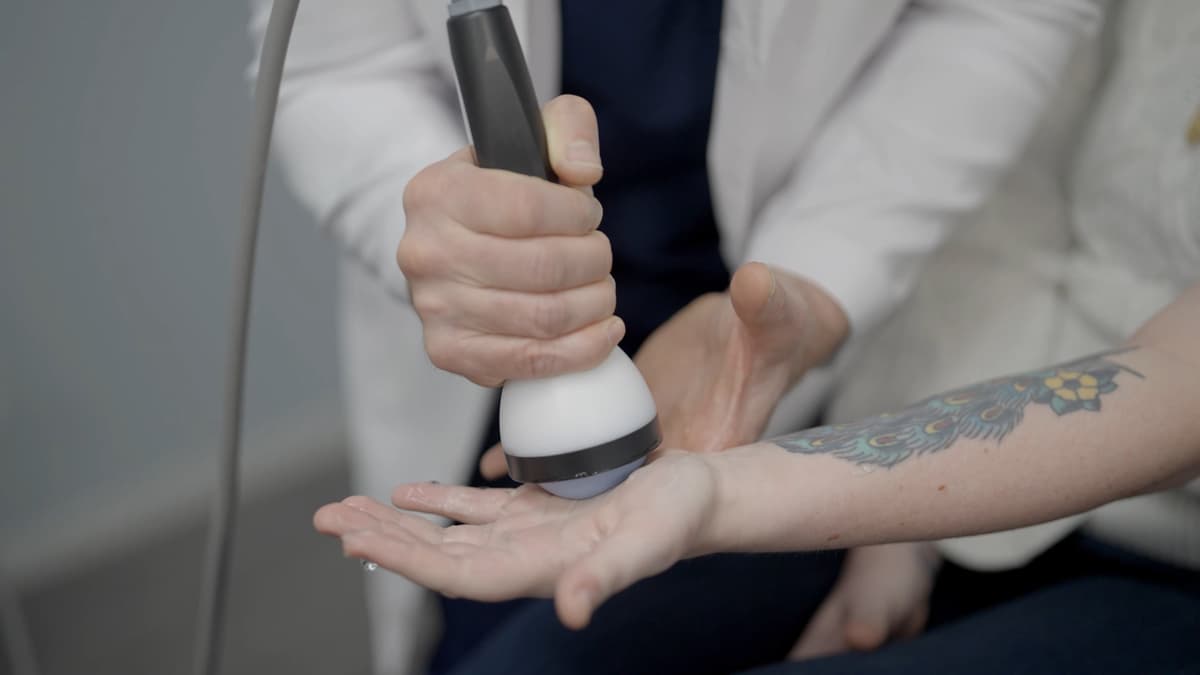
Shockwave Therapy for Tennis and Golfer's Elbow
Shockwave can reduce persistent elbow tendon pain and improve grip tolerance. We combine it with wrist, grip, and forearm loading that prepares the arm for work or sport.

 By Dylan Newcomer and Jason Modafari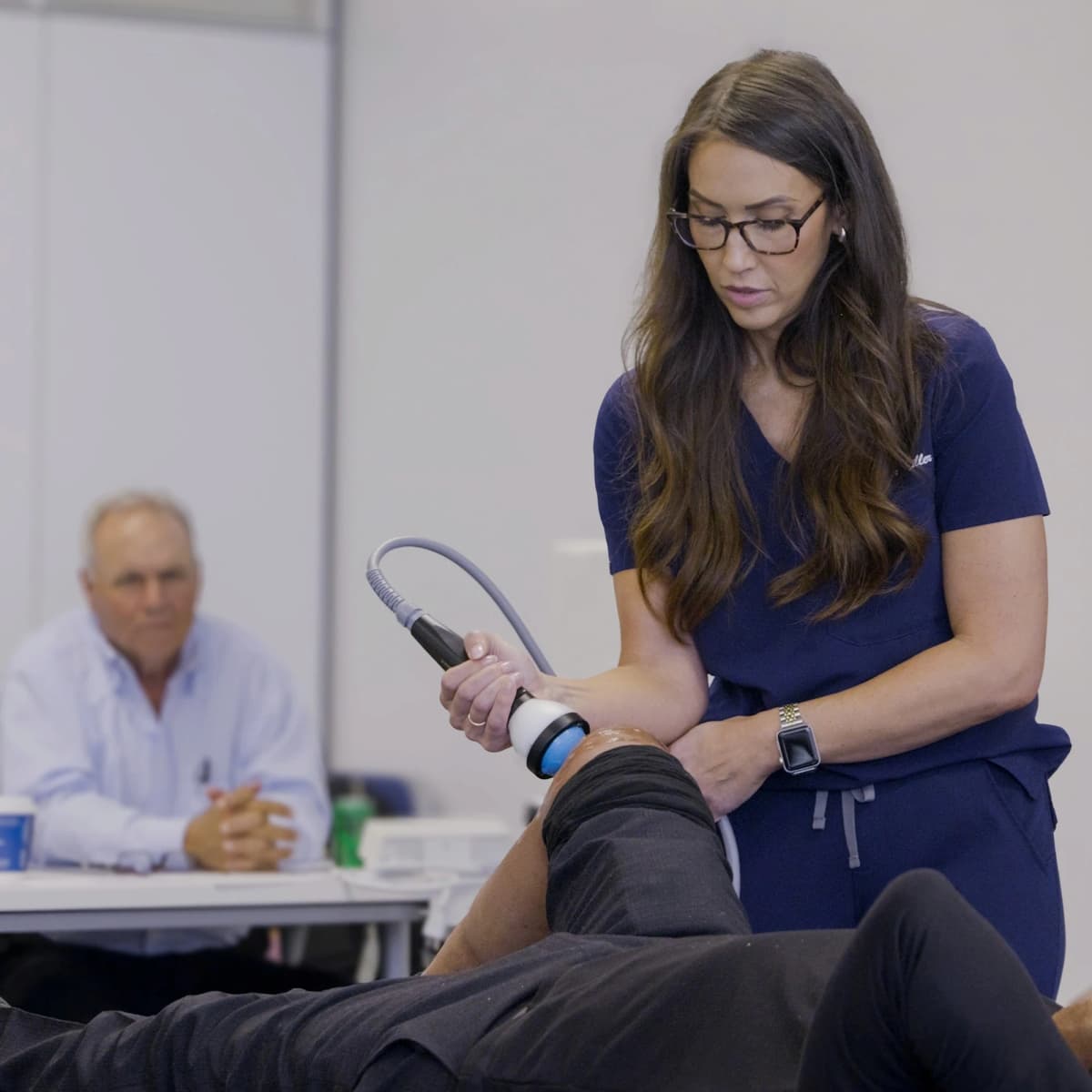
Shockwave Therapy for Achilles and Plantar Fascia Pain
Shockwave can reduce pain and improve function in selected Achilles and plantar heel conditions. We pair it with calf, foot, and running progressions so the relief carries into daily life and sport.
By Dylan Newcomer and Jason Modafari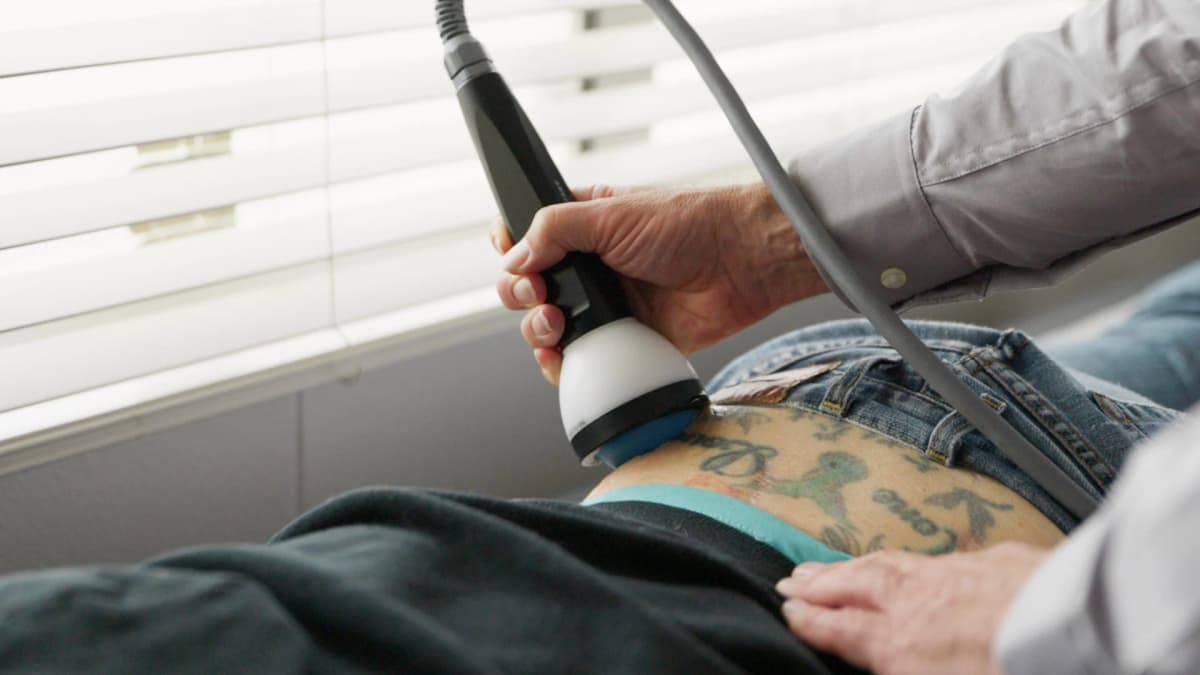
Shockwave Therapy for Chronic Tendon Pain: How It Can Restart Progress
Shockwave gives a stubborn tendon a focused mechanical stimulus that may reduce pain and support tissue remodeling. We pair it with progressive loading to turn symptom change into better function.
By Dylan Newcomer and Jason Modafari